Mixed Reactions to Trump-Backed Strait of Hormuz Agreement
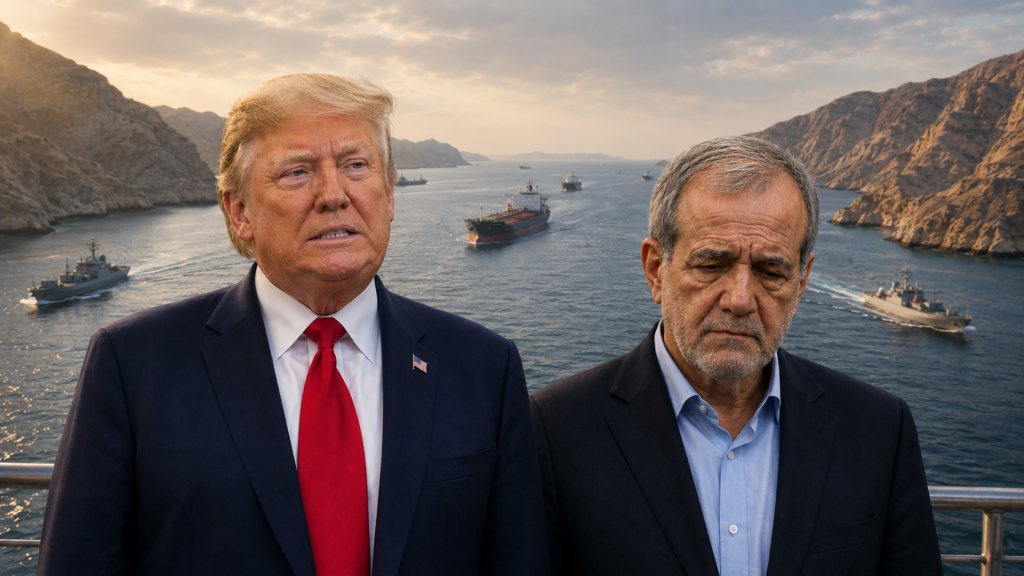
President Donald Trump has welcomed a proposed agreement aimed at restoring full commercial access through the Strait of Hormuz, describing it as an important step toward strengthening regional stability, protecting global trade routes, and supporting energy security.
The memorandum of understanding (MOU), which is expected to be finalized following negotiations in Switzerland, would reopen key shipping lanes and establish a framework for future discussions involving Iran’s nuclear program, sanctions policy, and broader maritime security issues.
Supporters of the agreement argue that maintaining uninterrupted access through one of the world’s most important energy corridors could help stabilize global markets, strengthen supply chains, and reduce uncertainty for businesses and consumers. The Strait of Hormuz remains a critical route for international oil and natural gas shipments, making developments in the region closely watched by governments, investors, and energy companies.
The proposal has generated a range of reactions among policymakers and foreign policy experts. While some Israeli officials and U.S. lawmakers have expressed concerns about specific provisions, others view the negotiations as a constructive effort to reduce tensions and encourage diplomatic engagement.

[poll id=”2″]
Experts note that several major issues—including nuclear safeguards, sanctions relief, shipping regulations, and regional security arrangements—are expected to be addressed during a second phase of negotiations in the coming weeks.
Analysts caution that the long-term success of the agreement will depend on whether all parties can reach consensus on verification measures, economic incentives, and security commitments. Despite ongoing challenges, many observers believe the framework could provide a foundation for greater stability in a region that plays a central role in global energy and trade.
Investors, energy companies, and policymakers continue to monitor developments closely as negotiations move forward, with potential implications for oil markets, international commerce, and geopolitical relations throughout the Middle East.
Question Marks Over Strait of Hormuz
While officials from both sides have indicated that an agreement could be signed in Switzerland, questions remain regarding the future administration and operational framework of the Strait of Hormuz.
The proposed MOU has not yet clarified several key issues, including long-term shipping arrangements, maritime security responsibilities, and the structure of any future transit regulations. These details are expected to be discussed during follow-up negotiations.
Regional analysts note that the Strait of Hormuz remains strategically important for both global commerce and regional security. Any changes to shipping procedures or management policies could have significant implications for international trade and energy markets.
Reports from regional media outlets suggest that discussions continue regarding transit arrangements, navigation services, and commercial shipping operations. However, officials have not yet released a final version of the agreement, leaving several questions unanswered.
Experts say the coming weeks will be critical as negotiators work to finalize details and establish a framework that balances economic interests, security concerns, and the need for uninterrupted maritime commerce.
Many analysts believe that maintaining open shipping lanes during the negotiation period could help build confidence among stakeholders while allowing additional time to address unresolved issues. However, they also note that long-term stability will depend on the successful implementation of any future agreements.
As negotiations continue, governments, businesses, and financial markets remain focused on developments surrounding the Strait of Hormuz, recognizing its importance to global energy supplies, international trade, and regional stability.
Benjamin Harris is a RapidReports front page contributor and editor,proud father of four.