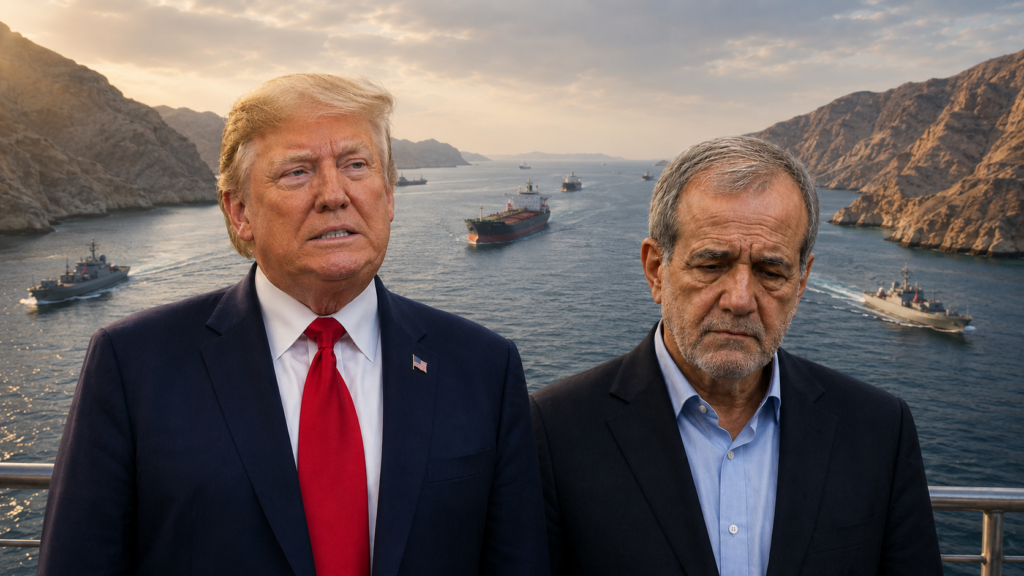
President Donald Trump & President of Iran – Strait of Hormuz ( Rapid Reports Photo – Benjamin Harris )
Trump Aborts Massive Iran Strike After Allies Urge Diplomacy
President Donald Trump revealed that fresh negotiations with Iran began on Monday, just days after he aborted what he described as a fully prepared “massive” military strike on the Islamic Republic that had been set for the weekend. Speaking to reporters aboard Air Force One, the president made clear that direct appeals from key Gulf allies—and even from Tehran itself—prompted him to stand down the planned operation.
The decision showcased a core element of Trump’s foreign policy approach: overwhelming strength paired with the willingness to pursue diplomacy when genuine openings appear. Rather than rushing into conflict, the president listened to partners who would face the greatest consequences of a wider regional war and chose a path that kept American leverage intact.
Saudi Crown Prince’s Personal Appeal Proves Decisive
Saudi Arabia’s Crown Prince Mohammed bin Salman Al Saud spoke privately with Trump on Saturday, reinforcing the message that diplomacy still held promise. Trump recounted the conversation in straightforward terms.
“I was asked to by Saudi Arabia, by UAE, by Qatar, and by Iran,” Trump said when pressed on why he called off the attack. “We were all set to go.”
He described asking the Saudi crown prince a simple question: “What would you rather do? Would you rather us do this or not?” According to the president, the response was unambiguous. Gulf leaders preferred a deal over an attack because, as Trump relayed, “you don’t know where these attacks lead.”
Bin Salman further assured the president that Iran appeared prepared to cut a meaningful agreement. “They thought that a deal is imminent,” Trump reported. Any such arrangement would need to address both the vital Strait of Hormuz and Iran’s nuclear program.
Core American Demands Remain Unchanged
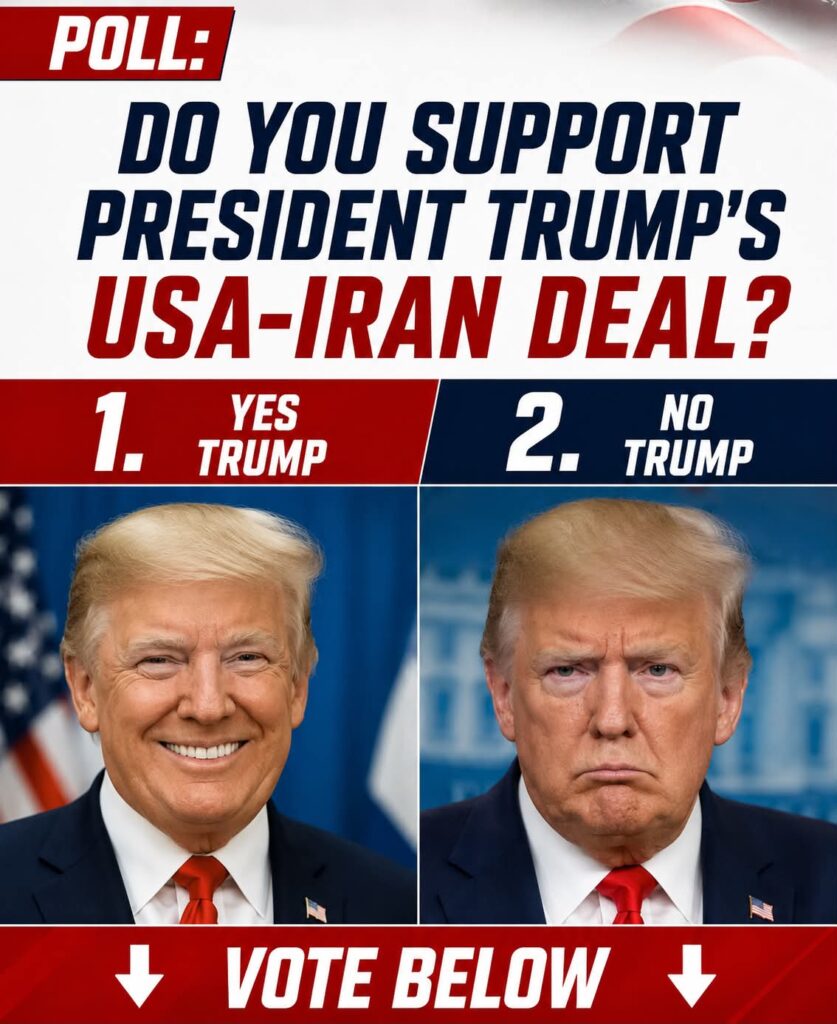
[poll id=”4″]
The Trump administration has long insisted on two non-negotiable points. The strategic waterway that carries a significant share of the world’s oil shipments must remain open and free of any Iranian tolls or interference. At the same time, Tehran must be permanently blocked from obtaining nuclear weapons.
These priorities reflect an America First understanding of national interest. Disruptions in the Strait of Hormuz drive up energy prices for American families and businesses. An Iranian nuclear weapon would fundamentally alter the security balance in the Middle East and beyond. Trump’s decision to pause the strikes did not soften those red lines. It simply created space to test whether Iran is finally prepared to meet them.
Trump Keeps the Military Option Fully on the Table
The president remained measured about the prospects for success when talks resume. He acknowledged the familiar pattern of Iranian mixed signals that have repeatedly undermined past diplomatic efforts.
“A lot of times they’ll say that to me, and then they’ll go out and say we don’t know what he’s talking about,” Trump observed. He declined to impose any artificial deadline on the negotiations but left no doubt about America’s military posture.
“We’re ready to go anytime we want,” he declared.
That combination—openness to talks backed by immediate readiness—has defined Trump’s handling of the crisis. The decision to cancel the strikes came Saturday night after what the president characterized as a framework for a potential peace deal taking shape. The announcement followed reports that U.S. and Israeli officials had been examining options for targeting Iran’s energy infrastructure. When asked Sunday whether those energy sites had been part of the planned operation, Trump refused to answer.
High Stakes and Clear Iranian Warnings
Tehran had already issued stark warnings that any assault on its energy sector would trigger retaliatory strikes against oil and gas facilities in Saudi Arabia, the United Arab Emirates, Qatar, and Israel. Those threats underscored the high stakes involved and the potential for rapid regional escalation.
By consulting closely with the very Gulf partners who would bear the brunt of any wider conflict, Trump demonstrated a preference for coordinated strength over unilateral action. The Saudi crown prince’s personal intervention on Saturday proved decisive in shifting the trajectory from imminent strikes toward renewed talks.
Cease-Fire Must Come First
Administration officials have consistently maintained that any return to the negotiating table must be preceded by Iranian acceptance of a cease-fire. “That’s the basis for any type of negotiation; it starts with a cease-fire, and it has to start with Iran,” a U.S. official told reporters earlier in the week.
This sequencing matters. Previous diplomatic efforts often allowed Iran to talk while continuing destabilizing behavior. Trump’s team is insisting on a different starting point: tangible de-escalation before substantive negotiations proceed.
Peace Through Strength in Action
Trump’s handling of the latest Iran crisis reflects a consistent philosophy. Maximum pressure, credible military readiness, and openness to diplomacy when allies and even adversaries signal genuine interest in de-escalation form the core of the approach. Critics sometimes portray the pause as hesitation. Supporters see it as disciplined leadership that avoids unnecessary wars while never surrendering leverage.
The president’s willingness to listen to Saudi Arabia, the UAE, and Qatar also strengthens America’s position in the region. These partners understand the costs of conflict better than most and have a direct stake in preventing Iranian nuclear weapons and keeping energy routes open. Their input carries weight precisely because they would share the consequences of any miscalculation.
Markets and Energy Prices Respond to Reduced Risk
The decision to stand down the planned strikes contributed to a broader sense of reduced near-term risk. Energy markets, which had climbed on fears of wider conflict, responded to the shift toward talks. For American consumers, lower oil prices translate into real relief at the pump and reduced inflationary pressure. Trump has long argued that strong American leadership abroad protects prosperity at home. The latest episode fits that pattern.
What Comes Next at the Bargaining Table
As discussions unfold, the core American demands remain unchanged. The Strait of Hormuz must stay free and open. Iran’s path to a nuclear weapon must be permanently closed. And any serious negotiation process begins only after Tehran commits to a cease-fire.
Trump has made plain that the U.S. military stands prepared to act if those conditions are not met. The pause is not a permanent stand-down. It is a calculated opportunity to test whether Iran is prepared to make the kind of meaningful concessions that previous administrations failed to secure.
Leadership That Prioritizes Results Over Rhetoric
In choosing to abort the “massive” strike after direct appeals from key allies and signals from Tehran, President Trump demonstrated the difference between reckless escalation and strategic restraint backed by strength. He kept the military option fully available, consulted the partners most exposed to Iranian retaliation, and returned the focus to negotiations under clear American terms.
The coming days and weeks will reveal whether Iran is serious this time or simply repeating old patterns of mixed signals and delay. For now, the United States has shown it can prepare a major operation, stand ready to execute it, and still choose diplomacy when the conditions appear to justify the attempt. That combination of power and prudence is exactly what many Americans expected when they returned Donald Trump to the White House. The world is watching to see whether Tehran finally understands the new reality.

Benjamin Harris is a RapidReports front page contributor and editor,proud father of four.