Oil Prices Fall as U.S.-Iran Diplomacy Hopes Grow and Saudi Exports Recover
Oil prices fell sharply Monday as traders assessed signs of possible diplomatic movement between the United States and Iran while also watching efforts by Saudi Arabia to restore crude shipments disrupted by attacks on key infrastructure.
Brent crude briefly fell below $100 a barrel for the first time since Sept. 9, while U.S. crude futures posted an even larger decline. The move came despite continued fighting across the Middle East, underscoring how expectations about diplomacy and available oil supplies are influencing energy markets.
By the afternoon in New York, Brent crude for November was around $100.39 a barrel, down $3.48, or about 3.4%. October West Texas Intermediate crude, which expires Tuesday, was down $4.64, or roughly 4.6%, at $95.66. November WTI was trading near $92.34.
Hopes for U.S.-Iran Talks Weigh on Oil
One factor behind Monday’s decline was renewed attention to the possibility of diplomacy between Washington and Tehran.
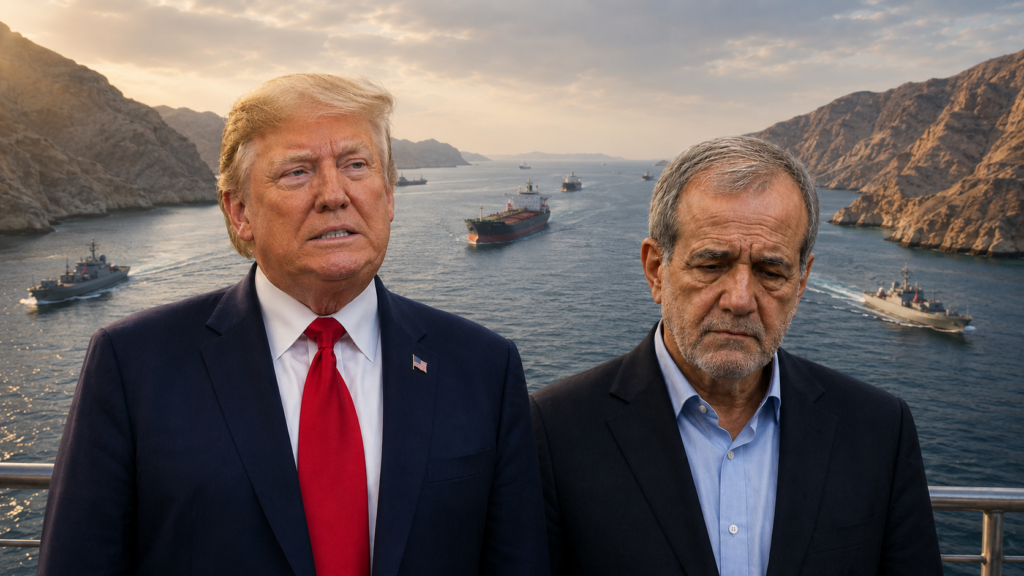
President Donald Trump said Sunday that he would be open to meeting Iranian President Masoud Pezeshkian, who is expected in New York this week for the United Nations General Assembly.
Iran has also communicated conditions through intermediaries for potentially resuming negotiations. The diplomatic signals have not produced a formal agreement, but traders have been watching them closely because any reduction in the conflict could ease concerns about future disruptions to energy supplies.
The decline in oil prices therefore occurred even as military tensions remained unresolved. Iran’s Revolutionary Guard warned Monday that an escalation could lead Tehran to introduce new weapons and expand the geographic scope of the conflict, according to The Associated Press.
Saudi Arabia Finds Alternative Routes for Crude
Saudi Arabia’s ability to keep exporting oil has also become increasingly important to the market.
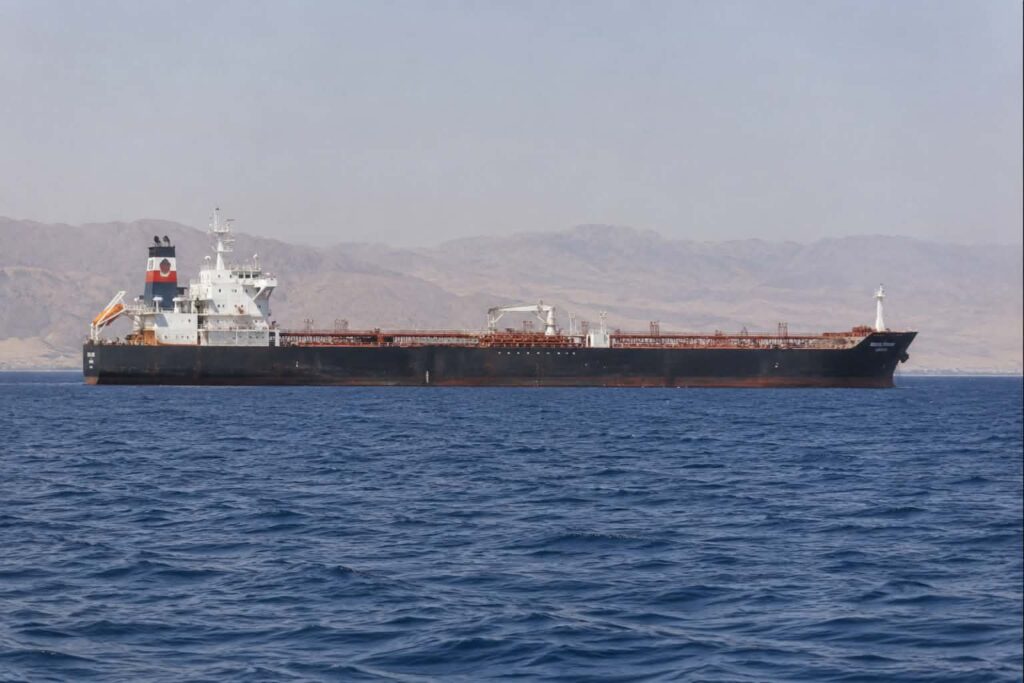
Attacks disrupted the kingdom’s East-West pipeline earlier this month, affecting crude shipments through the Red Sea port of Yanbu. Saudi Aramco has responded by increasing shipments through terminals on the Gulf side of the kingdom.
Reuters reported that satellite-tracking data showed about 14 million barrels of Saudi crude loaded onto seven very large crude carriers at Ras Tanura on Sunday. Saudi crude shipments through the Strait of Hormuz have also increased significantly.
According to data cited by Reuters, Saudi oil moving through the Strait of Hormuz averaged about 2.9 million barrels per day during the six days through Sept. 18, compared with roughly 700,000 barrels per day in August.
That shift has helped reassure markets that at least some Gulf oil exports can continue despite damage to alternative routes.
The Strait of Hormuz Remains a Major Risk
The recovery in shipments does not mean regional oil transportation has returned to normal.
The Strait of Hormuz remains under significant pressure. Reuters reported that only 17 commodity vessels transited the waterway over the weekend, compared with 37 the previous weekend and an estimated prewar average of about 125 large commercial vessels per day.
Oil producers have increasingly relied on complicated shipping arrangements, including transferring crude from one tanker to another in waters near Oman before the cargo continues toward its final destination.
Reuters reported that ship-to-ship transfers in the Gulf of Oman are expected to reach about 2.5 million barrels per day in September, up from approximately 1.4 million barrels per day in August.
These arrangements have helped maintain exports, but they are considerably more expensive and logistically complicated than normal shipping routes.
Houthi Attacks Add Another Layer of Uncertainty
The oil market is also monitoring developments in Yemen.
Iran-backed Houthi forces have continued attacking targets connected to Saudi Arabia, including infrastructure and locations near the kingdom’s energy network, according to Reuters. China has reportedly urged Iran to help restrain the Houthis following an appeal from Saudi Arabia.
The continued attacks create competing pressures for the oil market. They threaten important infrastructure and shipping routes, but Saudi Arabia’s ability to redirect crude through Gulf terminals has helped offset some of the disruption.
Oil Prices Remain Highly Sensitive to Diplomatic Developments
Monday’s decline illustrates how quickly oil prices can respond to changing expectations during a geopolitical crisis.
A sustained diplomatic breakthrough between Washington and Tehran could reduce the market’s immediate concern about additional supply disruptions. Conversely, renewed military escalation, damage to energy infrastructure or further restrictions on shipping through the Strait of Hormuz could place upward pressure on prices.
For now, neither outcome has been established.
The conflict remains active, and commercial traffic through Hormuz remains well below its normal level. At the same time, Saudi Arabia has demonstrated that it can reroute a substantial amount of crude, while diplomatic contacts surrounding the United Nations General Assembly have given traders another factor to consider.
What Happens Next
Markets are likely to remain focused on three developments: whether U.S.-Iran diplomatic contacts produce concrete negotiations, whether Saudi Arabia can sustain higher export volumes through Gulf terminals, and whether attacks continue to threaten energy infrastructure and shipping routes.
Monday’s drop does not by itself establish a lasting change in the oil market. It reflects the balance traders are currently drawing between the possibility of diplomatic progress and evidence that major producers are finding ways to keep crude moving despite the conflict.

Benjamin Harris is a RapidReports front page contributor and editor,proud father of four.