My Daughter-in-Law Told Me to Eat Leftovers After I Cooked Her Family’s Dinner—So I Took the Ham Home
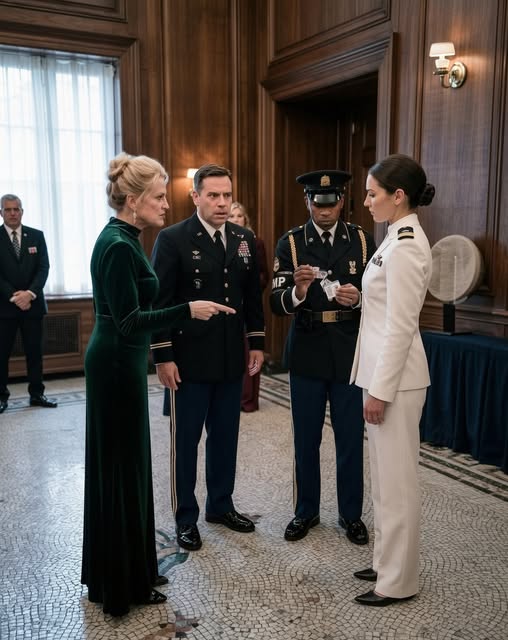
“Dorothy, there’s plenty in the refrigerator for you. This dinner is for our guests.”
My daughter-in-law, Christa, pointed toward the refrigerator as I stood in her kitchen holding a freshly prepared twelve-pound honey-garlic ham.
I had spent two days preparing the meal. The roasting pan was still warm, and the scent of cloves, brown sugar, and roasted garlic filled the kitchen.
Beyond the doorway, a dining table covered in white linen was set with five plates. Christa’s parents, Gerald and Elaine, were seated beside her, while my ten-year-old granddaughter, Maya, waited eagerly for dinner.
My son, Owen, stood near the hallway, staring at the floor.
There was no place setting for me.
I had purchased the ham, prepared the food, driven forty minutes to deliver it, and helped get everything ready. Yet Christa expected me to eat whatever happened to be left in the refrigerator while everyone else enjoyed the dinner I had made.
I looked at her and quietly replied, “I see.”
Then I picked up the roasting pan, carried it outside, and took the ham home.
At the time, I had no idea that a missing dinner plate would lead me to change years of family habits, reconsider my financial commitments, and rediscover a part of myself I had neglected.
My name is Dorothy Hale. I was sixty-three, retired, and finally beginning to enjoy the quiet life I had worked so hard to build.
I had spent thirty-one years as an office administrator in Barrie, Ontario. After my husband left when Owen was nine, I raised my son on my own, managed a household on a modest income, and eventually paid off the mortgage on my small home.
I had never been wealthy, but I knew how to budget, keep promises, and help the people I loved.
Unfortunately, I had also spent years confusing love with the obligation to make life easier for everyone else.
How Helping Became an Expectation
Owen had been married to Christa for six years. During that time, I gradually became the person they called whenever something needed doing.
I baked Maya’s birthday cakes, brought ingredients to Sunday dinners, helped carry boxes when they moved into their home, and contributed money when unexpected expenses appeared.
I rarely kept track of what I spent. I loved my son, and I adored my granddaughter.
Maya loved chocolate-raspberry birthday cake, stories about my childhood, and the scalloped potatoes she called “the cheesy ones.” Preparing those things for her gave me genuine pleasure.
But as the years passed, I began noticing how rarely anyone acknowledged the effort behind my contributions.
When Christa’s parents visited my house for Thanksgiving, Elaine once remarked that my home smelled “very lived in.” Christa laughed, and Owen pretended not to hear.
When Owen and Christa moved, I spent nine hours carrying boxes upstairs while Christa directed everyone from the hallway.
Later, when they planned a family holiday to Prince Edward Island, I contributed $1,400 toward their cottage rental because Owen said money was tight.
Christa shared photographs from the trip but never mentioned my contribution.
I told myself these things were unimportant. Families were complicated, I reasoned, and keeping the peace mattered more than receiving thanks.
Looking back, I can see that I had slowly accepted a role in which my time, money, and effort were expected but my feelings were easily overlooked.
The Dinner I Prepared With Love
The request for the ham came on a Thursday.
Owen called and asked whether I would prepare one of my special honey-glazed hams because Christa’s parents were visiting from Oakville.
“Nobody does a ham like you, Mom,” he said.
His compliment warmed me. I wanted the evening to go well, and I was happy to contribute something everyone could enjoy.
The next morning, I visited the butcher shop where I had purchased meat for years. I chose a twelve-pound bone-in ham that cost $84.
On Saturday, I scored the fat, pressed cloves into the cuts, and prepared a glaze with honey, brown sugar, Dijon mustard, roasted garlic, and apple cider.
I basted the ham throughout the cooking process, carefully watching it until the outside developed a rich, glossy finish.
I also prepared a dish of creamy scalloped potatoes because I knew Maya would be looking forward to them.
By Sunday afternoon, everything was ready.
I wrapped the dishes in towels, loaded my car, and drove south toward Owen and Christa’s home.
Christa opened the side door and seemed mildly surprised to see me carrying the food. She directed me to the kitchen, where I removed my coat and arranged the ham on a serving platter.
The glaze shone under the kitchen lights.
From the dining room, Gerald barely acknowledged my arrival. Elaine made a passing comment about my car before returning to her wine.
Then Maya came downstairs and threw her arms around me.
“Grandma! You made the cheesy potatoes!”
Her excitement made the long preparation worthwhile.
Christa told her to wash her hands and sit down with the family.
“Grandma is helping in the kitchen,” she explained.
I glanced toward the dining table.
Then I counted the plates.
Once.
Twice.
There were five.
Gerald. Elaine. Christa. Owen. Maya.
I asked Christa where I should sit.
She pointed toward the refrigerator and told me there was plenty inside for me to eat.
I looked through the refrigerator door. There was an old container of pasta, a piece of dried-out cheese, and a leftover takeout bag.
For a moment, I waited for her to laugh or explain that she had made a mistake.
She did neither.
That was when I understood that this was not a misunderstanding about seating arrangements. She had simply not considered me someone who needed a place at the table.
The Drive Home Changed Everything
I did not shout.
I did not argue with Christa in front of her parents, and I did not demand that Owen defend me.
Instead, I picked up the roasting pan and carried it through the side door.
I placed it carefully on the passenger seat of my car and fastened the seat belt around it to keep it from tipping during the drive.
Even now, that detail makes me smile.
At the time, however, I was too hurt to find anything funny.
Before I reached the highway, Owen sent me a text asking where I was going. Christa’s parents had not eaten yet, he explained.
He did not ask whether I was all right.
He did not apologize.
He was concerned about the missing dinner.
By the time I reached Barrie, I was thinking about all the other times I had made myself useful without asking whether I was genuinely welcome.
I carried the ham into my kitchen and turned the oven to a low setting to keep it warm. Then I sat at my oak table with a glass of wine.
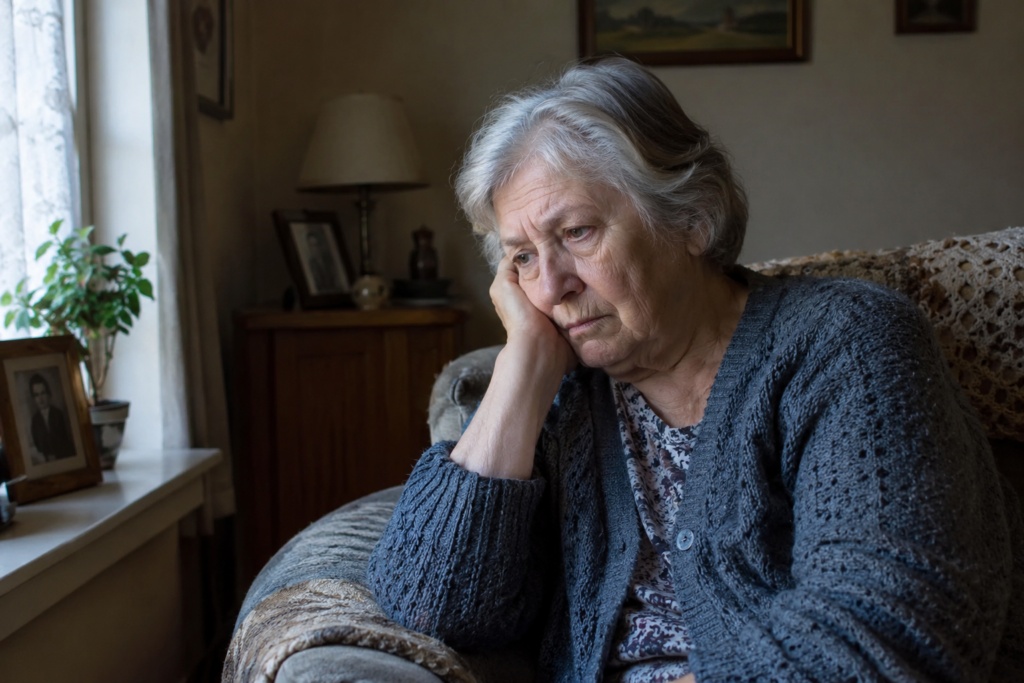
The house was quiet except for the refrigerator humming in the next room.
I had expected to feel furious. Instead, I felt something more settled.
I had spent years paying for things that made life easier for Owen and Christa, even though both of them were employed and I was living on a retirement budget.
Their mobile phones were still on my plan. I paid insurance costs associated with Owen’s vehicle. I also sent him $400 each month, supposedly to help cover Maya’s needs.
The money was intended to assist with swimming lessons, school trips, winter boots, and other expenses.
I had never demanded receipts or questioned how every dollar was used. I had simply continued paying because that was what I had always done.
Now I began asking myself a different question.
Was I helping because I freely wanted to, or because everyone had become accustomed to my help?
I Reviewed My Finances and Set New Boundaries
The following morning, I opened my laptop and reviewed the recurring expenses connected to my accounts.
I contacted the mobile carrier to arrange for Owen and Christa to take responsibility for their own phone lines. I also spoke with Patricia, my insurance broker, about separating Owen’s vehicle coverage from my policy at the appropriate time.
Finally, I canceled the recurring $400 transfer.
Each step required practical arrangements, but the decision itself was straightforward.
I could still buy Maya a birthday present, pay for a special outing, or help with an unexpected need if I chose to. I did not have to remain responsible for ordinary household expenses belonging to two other adults.
That distinction gave me a sense of relief.
I also remembered that Christa still had a key to my home. I had given it to her three years earlier when Owen underwent surgery and she needed to drop off Maya’s school things while I helped with childcare.
The arrangement had been temporary, but the key had never been returned.
I contacted a locksmith and arranged to change the locks.
It was not intended as revenge. I simply wanted control over who could enter my home.
A boundary did not need to be accompanied by an argument to be valid.
My Son Finally Asked What Had Happened
On Tuesday morning, Owen called while I was shopping.
He had received messages about the phone plan and vehicle insurance and wanted to know whether something had happened to my accounts.
I explained that I was reorganizing my finances now that I was retired.
He pointed out that I had been paying those expenses for years.
“That’s true,” I replied. “But a favor is still a choice, even when it has continued for a long time.”
He asked whether the changes were connected to Sunday’s dinner.
I told him the dinner had made several things clear to me.
He said Christa felt terrible and had not intended her words to sound insulting.
I asked what she had intended instead.
He had no answer.
For the next few days, we exchanged polite messages, but Christa did not contact me.
Then, on Friday afternoon, she arrived at my house.
I was outside cutting back the last of my garden plants when I saw her walk up the steps. She took out her key and tried to unlock the door.
When it would not turn, she tried again.
Then she noticed me standing beside the lawn with my gardening gloves in my hand.
“You changed the locks,” she said.
“I did.”
She looked irritated and immediately asked why I had withdrawn financial support without discussing it with her first.
She called the decision immature and accused me of punishing the family over a misunderstanding.
I listened until she finished.
Then I reminded her about the ham, the potatoes I had prepared for Maya, the forty-minute drive, and the five plates on the dining table.
“You expected me to eat old leftovers while everyone else enjoyed the meal I made,” I said.
She replied that they had guests.
“So did you,” I told her. “I was your guest, Christa. It never occurred to you.”
For the first time, she seemed unsure how to respond.
Then she suggested that withdrawing financial support would make Owen and her less inclined to include me in family activities.
I looked at her and understood what that statement meant to me.
I did not want an invitation to be something I earned by paying bills or providing services.
I wanted a relationship built on affection and mutual respect.
“Owen and you are free to manage your household as you see fit,” I said. “I’ll manage mine.”
Christa warned that I was pushing them away.
I told her we would all have to adjust.
Then I walked up my steps, unlocked the door with my new key, and went inside.
The Quiet Weeks That Followed
The next three weeks were quieter than I expected.
Owen occasionally sent messages asking whether I was keeping warm or whether my furnace was working properly. I answered kindly, but I did not offer to resume the payments.
Christa remained silent.
I would be lying if I said I never questioned myself. Some evenings, I sat by the window with a library book and wondered whether I had damaged my relationship with Maya by changing the financial arrangements.
She was the reason I had continued helping for so long.
But I reminded myself that my love for my granddaughter did not require me to pay every recurring expense in her parents’ household.
Then, one Wednesday evening, my phone rang.
A video call appeared from an unfamiliar account decorated with cartoon unicorns.
I answered and saw Maya’s face filling the screen. She was holding the tablet so close that I could see only one eye and the tip of her nose.
We both laughed when I asked her to move it farther away.
Her mother had allowed her to call after homework, and Maya wanted to tell me about a book she was reading at school.
For forty-five minutes, she described a girl living in a lighthouse during a terrible storm. She explained every character, performed their voices, and asked me to guess what would happen next.
Near the end of the call, her expression changed.
“Grandma, are you angry with me?”
My heart tightened.
I told her I was not angry with her and that disagreements between adults were never a child’s responsibility to fix.
“I love you just as much as I always have,” I said.
She asked whether she could call again the following Wednesday to discuss the next chapter.
I promised she could.
When the call ended, I sat at my kitchen table holding the phone, relieved that our connection had survived the changes taking place between the adults.
A Conversation With My Son
A few days later, my friend Cecilia came over for dinner.
We had known each other since our children were young, and I trusted her enough to tell her everything. I described the missing plate, the drive home, the financial changes, and Christa’s attempt to use her old key.
When I mentioned fastening the seat belt around the ham, Cecilia laughed so hard she nearly spilled her tea.
Eventually, she became serious and asked how I was coping.
I told her I felt more like myself than I had in years.
She understood. After her husband died, she had also spent years supporting relatives who seemed to regard her help as something they were entitled to receive.
“When you’ve helped establish a pattern,” she told me, “you can change it, too.”
Her words stayed with me.
The following month, Owen called and asked whether he could visit alone.
He arrived on a snowy Saturday afternoon, knocked at the door, and sat at the oak kitchen table where he had once done his homework as a child.
I made coffee and put out shortbread biscuits.
For a while, he turned his mug slowly between his hands without speaking.
Then he admitted that he had been unfair to me.
He had noticed the way Christa sometimes spoke to me, he said, but he had convinced himself that the differences were simply a matter of personality. Confronting her would have caused arguments, so he had chosen the easier option and allowed things to continue.
He knew he should have spoken up when she told me to eat leftovers.
Instead, he had stood in the hallway and looked at the floor.
After I left, Gerald had asked where I was going. Christa told him I was not feeling well, and Owen allowed that explanation to stand.
He also admitted that Maya had been upset and had repeatedly asked about the scalloped potatoes.
“I’m sorry, Mom,” he said. “Not because of the phone bill. Because I should have done better.”
I had not expected such a direct acknowledgment.
We spent the next hour talking about our family, his marriage, and the years in which he had gradually allowed our relationship to become less balanced.
I told him how I had felt when my home was mocked, when my contributions were taken for granted, and when I stood beside the dining table counting plates.
He listened without arguing.
Before leaving, he brought up the phone plan, insurance, and monthly transfers.
I waited, expecting another request.
Instead, he asked me not to restart any of them.
He acknowledged that those expenses were his responsibility and said he should have taken them over long ago.
I reached up and straightened his collar, as I had done when he was a schoolboy.
“I wasn’t planning to restart them,” I said.
He laughed, and for the first time in months, the laughter between us felt easy.
Learning to Enjoy My Own Life Again
Over the following weeks, Owen began calling more regularly.
Sometimes we discussed his work, a television program we both watched, or a recipe he had tried. He no longer called only when something needed fixing or paying for.
Christa and I remained polite but distant.
I did not demand an apology, and I did not pretend everything had returned to normal. Rebuilding trust would require time and a willingness to treat each other differently.
Meanwhile, the money I had stopped paying toward other people’s expenses began accumulating in my account.
I replaced my aging furnace before it failed and booked a spring trip to Cape Breton with Cecilia.
I also enrolled in cello lessons, something I had wanted to do since hearing the instrument at a school concert when I was eleven.
My teacher, Priya, was twenty-six, patient, and encouraging.
The first time I managed to draw a clear, warm note from the strings, I stopped and listened as it faded.
Priya asked whether I was all right.
“I’m wonderful,” I told her. “Let’s try that again.”
I was still the same woman who enjoyed cooking for people, remembering birthdays, and helping when someone genuinely needed assistance.
But I was no longer willing to organize my retirement around expenses that belonged to other adults.
Helping remained a choice I could make with love. It was no longer an obligation I had to fulfill to maintain my place in the family.
The Dinner That Made Me Feel Welcome
In March, Owen brought Maya to stay with me for a long weekend.
She arrived with a pink suitcase, an overstuffed backpack of books, and enough excitement to fill every room in the house.
On Friday evening, we made chicken noodle soup from scratch. We rolled the dough by hand and cut the noodles with a pizza cutter.
Maya insisted that their uneven widths made the soup more interesting.
I decided she was right.
On Saturday, we watched The Sound of Music and Mary Poppins under a blanket. Maya became so delighted with Julie Andrews that she asked to watch some scenes twice.
That evening, she taught me a card game she had learned at school and beat me eleven times in a row.
I told her I was sixty-three and my hands could not move as quickly as hers.
She informed me that I was simply very bad at the game.
She was probably right.
On Sunday morning, we made pancakes and set the dining-room table with my blue-and-white placemats.
Maya folded the napkins into triangles, poured orange juice into proper glasses, and arranged two plates across from each other.
When she finished, she stood back with her hands on her hips.
“Grandma, your house always feels nice,” she said.
I stopped with the spatula in my hand.
For years, I had worried about whether I was welcome in other people’s homes. Now my granddaughter was telling me that the home I had built felt warm and safe to her.
I thanked her, and she rolled her eyes because she thought I was making too much of a simple remark.
Perhaps I was.
But I remembered it later that afternoon when Owen arrived to collect her.
Maya hugged me at the door and asked whether she could come back the following month.
Owen looked at me and said he thought that would be lovely, provided I was free.
I told them I would be delighted.
After their car disappeared around the corner, I went inside and turned the deadbolt.
The house was quiet, but it did not feel empty.
I put away the games we had played, folded the blankets from the sofa, and opened the refrigerator to find the leftover soup we had made together.
I warmed a bowl and carried it to the kitchen table as the evening light faded across the garden.
Those leftovers tasted wonderful.
They reminded me of flour on Maya’s cheeks, uneven noodles, and the pleasure of cooking with someone who genuinely wanted to be beside me.
What I Learned From Taking the Ham Home
People still laugh when I tell them about fastening a seat belt around the roasting pan.
That Sunday in October, I shared some of the ham with Cecilia and my neighbor, then used the bone to make split-pea soup. None of it went to waste.
I never regretted taking the meal home.
Sometimes I wish I had spoken sooner about the smaller hurts that came before that evening. Perhaps an earlier conversation would have helped us understand one another before resentment accumulated.
But I also learned that it is never too late to reconsider an arrangement that no longer feels fair.
I can love my son without paying his bills. I can adore my granddaughter without taking responsibility for every expense in her household. And I can remain generous without agreeing to be treated as though my time and presence do not matter.
Love does not require us to abandon our own needs.
These days, I still enjoy preparing meals for my family. I simply make plans with people who ask whether I would like to come, rather than asking only whether I can bring something.
On my kitchen counter, beside a bowl of fruit, I keep my cello practice notes.
Next month, Maya wants to hear me play the first piece I have learned all the way through.
I am practicing every morning, slowly and rather badly, and I look forward to having her in the front row.
I no longer count the plates at someone else’s table to find out whether I belong.
I know I have a place at my own.

Benjamin Harris is a RapidReports front page contributor and editor,proud father of four.