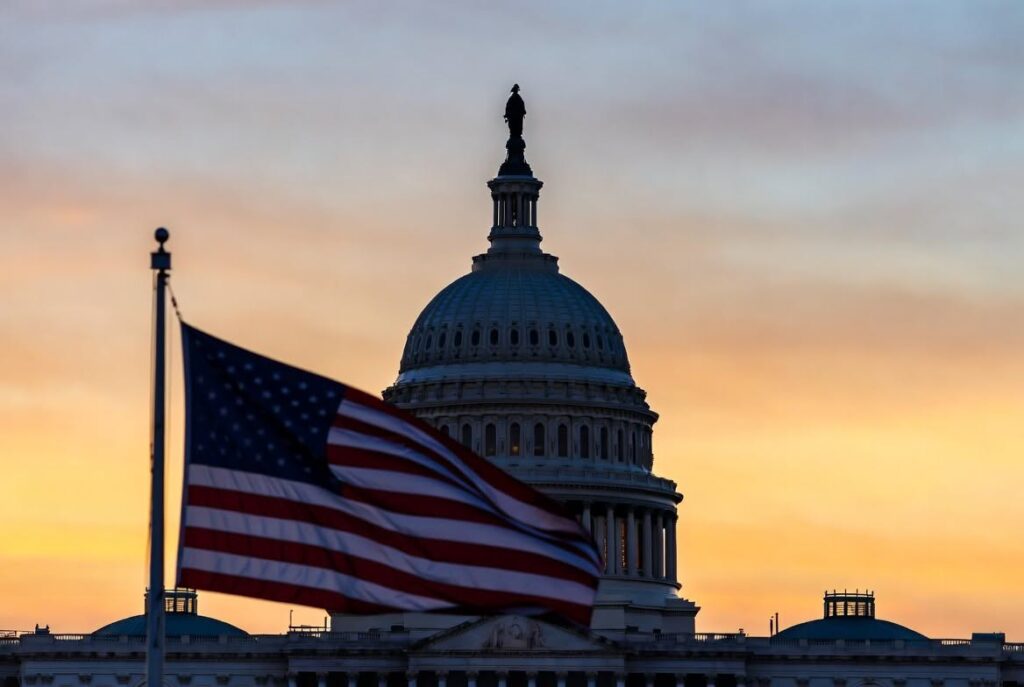
In a landmark decision this week, the U.S. Supreme Court ruled 6–3 that the International Emergency Economic Powers Act (IEEPA) does not grant the president broad authority to impose tariffs. The ruling effectively curtails a key component of former President Donald Trump’s trade policy and highlights ongoing debates over the balance of power between Congress and the executive branch.
U.S. benchmark West Texas Intermediate crude fell more than 6%, while international benchmark Brent crude also posted significant declines during trading. Energy traders have been closely monitoring developments involving Iran and the Strait of Hormuz, a key shipping route that plays a major role in global oil transportation.
[poll id=”4″]
The majority opinion was authored by Chief Justice John Roberts, joined by Justices Sonia Sotomayor, Elena Kagan, Neil Gorsuch, Amy Coney Barrett, and Ketanji Brown Jackson. In their decision, the justices concluded that the statute does not provide unrestricted authority for the president to levy import duties, emphasizing that such expansive powers require clear congressional authorization.
Yet the decision drew sharp criticism from Justice Clarence Thomas, who issued a vigorous dissent arguing that the ruling improperly limits presidential authority and overlooks historical precedent.
What the Supreme Court Decided
At the heart of the case was the question of whether the International Emergency Economic Powers Act, originally designed to give the president authority to regulate commerce during national emergencies, can be interpreted to allow sweeping tariff impositions on foreign goods.
Chief Justice Roberts, writing for the majority, emphasized that while the statute grants the president certain economic tools during declared emergencies, it does not explicitly authorize broad import tariffs. Roberts wrote that allowing unrestricted tariff authority would exceed the bounds of the law and risk undermining Congress’s power to regulate trade.
The court’s ruling sends a clear message: any future attempts by the executive branch to impose tariffs on a wide scale must either be directly authorized by Congress or operate under more narrowly defined statutory authority.
Clarence Thomas’s Dissent: A Defense of Presidential Authority
Justice Clarence Thomas, joined by Justices Samuel Alito and Brett Kavanaugh, expressed strong disagreement with the majority. In his dissent, Thomas argued that neither the Constitution nor the statutory language limits the president’s ability to impose tariffs in this context.
“Congress has historically delegated broad authority to the executive in matters of foreign commerce, especially during national emergencies,” Thomas wrote. He contended that past administrations have routinely exercised similar powers and that courts have consistently upheld such actions.
Thomas criticized the majority for substituting its interpretation for that of Congress, arguing that lawmakers intended to provide the president with flexible tools to respond to urgent economic and foreign policy challenges.
Kavanaugh’s Separate Dissent: Practical and Financial Concerns
Justice Kavanaugh issued a separate dissent highlighting the practical consequences of the ruling. He noted that if previously collected tariffs must be refunded due to a lack of statutory authority, the decision could carry significant financial implications for both the government and domestic industries.
Kavanaugh emphasized that the ruling might weaken the United States’ bargaining position in international trade, as trading partners could question the federal government’s ability to act decisively in economic crises.
Implications for Trump-Era Trade Policies
The decision directly affects policies enacted during the Trump administration, particularly tariffs on steel, aluminum, and various Chinese goods imposed under the premise of national emergency powers. While the ruling does not retroactively invalidate all tariffs, it does restrict the legal framework for similar executive actions in the future.
Legal experts suggest that the ruling could reshape trade negotiations, as the president may now need to seek explicit congressional approval before imposing new duties. This shift could slow the administration’s ability to respond quickly to perceived trade threats, potentially limiting economic leverage in international disputes.
Historical Context: Presidential Trade Powers
The debate over executive authority in trade is not new. Presidents from Woodrow Wilson to George W. Bush have invoked emergency powers to regulate imports, restrict trade with adversaries, or respond to economic crises. However, Thomas’s dissent emphasizes that the scope of these powers has historically been broad, reflecting Congress’s intent to allow the executive branch flexibility in international commerce.
Roberts’ majority opinion, in contrast, signals a growing judicial tendency to interpret statutes narrowly, particularly when the stakes involve significant economic consequences and separation-of-powers concerns.
Reactions from Lawmakers and Analysts
The ruling has elicited strong reactions across the political spectrum. Republican lawmakers, particularly those aligned with Trump-era policies, criticized the decision as an unwarranted limitation on executive authority. Senator Tom Cotton (R-Ark.) argued that “the president needs the ability to act swiftly in matters of national economic security, and this decision weakens that authority.”
Democrats generally welcomed the ruling as a check on executive overreach, noting that tariffs affect consumers and businesses alike, and should not be imposed without clear legislative guidance. Senator Elizabeth Warren (D-Mass.) praised the decision, stating that “Congress must play a central role in shaping trade policy that impacts millions of Americans.”
Economists suggest that the ruling may have both short-term and long-term economic effects. While it limits unilateral tariff actions, it also reinforces the role of Congress in trade policy, which could lead to more predictable and stable trade relations internationally.
Trade Policy and National Emergencies
IEEPA was enacted in 1977 as a tool to allow the president to respond to “unusual and extraordinary threats” that affect the national economy. Historically, presidents have usIn a landmark decision this week, the U.S. Supreme Court ruled 6–3 that the International Emergency Economic Powers Act (IEEPA) does not grant the president broad authority to impose tariffs. The ruling effectively curtails a key component of former President Donald Trump’s trade policy and highlights ongoing debates over the balance of power between Congress and the executive branch.
The majority opinion was authored by Chief Justice John Roberts, joined by Justices Sonia Sotomayor, Elena Kagan, Neil Gorsuch, Amy Coney Barrett, and Ketanji Brown Jackson. In their decision, the justices concluded that the statute does not provide unrestricted authority for the president to levy import duties, emphasizing that such expansive powers require clear congressional authorization.
Yet the decision drew sharp criticism from Justice Clarence Thomas, who issued a vigorous dissent arguing that the ruling improperly limits presidential authority and overlooks historical precedent.
What the Supreme Court Decided
At the heart of the case was the question of whether the International Emergency Economic Powers Act, originally designed to give the president authority to regulate commerce during national emergencies, can be interpreted to allow sweeping tariff impositions on foreign goods.
Chief Justice Roberts, writing for the majority, emphasized that while the statute grants the president certain economic tools during declared emergencies, it does not explicitly authorize broad import tariffs. Roberts wrote that allowing unrestricted tariff authority would exceed the bounds of the law and risk undermining Congress’s power to regulate trade.
The court’s ruling sends a clear message: any future attempts by the executive branch to impose tariffs on a wide scale must either be directly authorized by Congress or operate under more narrowly defined statutory authority.
Clarence Thomas’s Dissent: A Defense of Presidential Authority
Justice Clarence Thomas, joined by Justices Samuel Alito and Brett Kavanaugh, expressed strong disagreement with the majority. In his dissent, Thomas argued that neither the Constitution nor the statutory language limits the president’s ability to impose tariffs in this context.
“Congress has historically delegated broad authority to the executive in matters of foreign commerce, especially during national emergencies,” Thomas wrote. He contended that past administrations have routinely exercised similar powers and that courts have consistently upheld such actions.
Thomas criticized the majority for substituting its interpretation for that of Congress, arguing that lawmakers intended to provide the president with flexible tools to respond to urgent economic and foreign policy challenges.
Kavanaugh’s Separate Dissent: Practical and Financial Concerns
Justice Kavanaugh issued a separate dissent highlighting the practical consequences of the ruling. He noted that if previously collected tariffs must be refunded due to a lack of statutory authority, the decision could carry significant financial implications for both the government and domestic industries.
Kavanaugh emphasized that the ruling might weaken the United States’ bargaining position in international trade, as trading partners could question the federal government’s ability to act decisively in economic crises.
Implications for Trump-Era Trade Policies
The decision directly affects policies enacted during the Trump administration, particularly tariffs on steel, aluminum, and various Chinese goods imposed under the premise of national emergency powers. While the ruling does not retroactively invalidate all tariffs, it does restrict the legal framework for similar executive actions in the future.
Legal experts suggest that the ruling could reshape trade negotiations, as the president may now need to seek explicit congressional approval before imposing new duties. This shift could slow the administration’s ability to respond quickly to perceived trade threats, potentially limiting economic leverage in international disputes.
Historical Context: Presidential Trade Powers
The debate over executive authority in trade is not new. Presidents from Woodrow Wilson to George W. Bush have invoked emergency powers to regulate imports, restrict trade with adversaries, or respond to economic crises. However, Thomas’s dissent emphasizes that the scope of these powers has historically been broad, reflecting Congress’s intent to allow the executive branch flexibility in international commerce.
Roberts’ majority opinion, in contrast, signals a growing judicial tendency to interpret statutes narrowly, particularly when the stakes involve significant economic consequences and separation-of-powers concerns.
Reactions from Lawmakers and Analysts
The ruling has elicited strong reactions across the political spectrum. Republican lawmakers, particularly those aligned with Trump-era policies, criticized the decision as an unwarranted limitation on executive authority. Senator Tom Cotton (R-Ark.) argued that “the president needs the ability to act swiftly in matters of national economic security, and this decision weakens that authority.”
Democrats generally welcomed the ruling as a check on executive overreach, noting that tariffs affect consumers and businesses alike, and should not be imposed without clear legislative guidance. Senator Elizabeth Warren (D-Mass.) praised the decision, stating that “Congress must play a central role in shaping trade policy that impacts millions of Americans.”
Economists suggest that the ruling may have both short-term and long-term economic effects. While it limits unilateral tariff actions, it also reinforces the role of Congress in trade policy, which could lead to more predictable and stable trade relations internationally.
Trade Policy and National Emergencies
IEEPA was enacted in 1977 as a tool to allow the president to respond to “unusual and extraordinary threats” that affect the national economy. Historically, presidents have usIn a landmark decision this week, the U.S. Supreme Court ruled 6–3 that the International Emergency Economic Powers Act (IEEPA) does not grant the president broad authority to impose tariffs. The ruling effectively curtails a key component of former President Donald Trump’s trade policy and highlights ongoing debates over the balance of power between Congress and the executive branch.
The majority opinion was authored by Chief Justice John Roberts, joined by Justices Sonia Sotomayor, Elena Kagan, Neil Gorsuch, Amy Coney Barrett, and Ketanji Brown Jackson. In their decision, the justices concluded that the statute does not provide unrestricted authority for the president to levy import duties, emphasizing that such expansive powers require clear congressional authorization.
Yet the decision drew sharp criticism from Justice Clarence Thomas, who issued a vigorous dissent arguing that the ruling improperly limits presidential authority and overlooks historical precedent.
What the Supreme Court Decided
At the heart of the case was the question of whether the International Emergency Economic Powers Act, originally designed to give the president authority to regulate commerce during national emergencies, can be interpreted to allow sweeping tariff impositions on foreign goods.
Chief Justice Roberts, writing for the majority, emphasized that while the statute grants the president certain economic tools during declared emergencies, it does not explicitly authorize broad import tariffs. Roberts wrote that allowing unrestricted tariff authority would exceed the bounds of the law and risk undermining Congress’s power to regulate trade.
The court’s ruling sends a clear message: any future attempts by the executive branch to impose tariffs on a wide scale must either be directly authorized by Congress or operate under more narrowly defined statutory authority.
Clarence Thomas’s Dissent: A Defense of Presidential Authority
Justice Clarence Thomas, joined by Justices Samuel Alito and Brett Kavanaugh, expressed strong disagreement with the majority. In his dissent, Thomas argued that neither the Constitution nor the statutory language limits the president’s ability to impose tariffs in this context.
“Congress has historically delegated broad authority to the executive in matters of foreign commerce, especially during national emergencies,” Thomas wrote. He contended that past administrations have routinely exercised similar powers and that courts have consistently upheld such actions.
Thomas criticized the majority for substituting its interpretation for that of Congress, arguing that lawmakers intended to provide the president with flexible tools to respond to urgent economic and foreign policy challenges.
Kavanaugh’s Separate Dissent: Practical and Financial Concerns
Justice Kavanaugh issued a separate dissent highlighting the practical consequences of the ruling. He noted that if previously collected tariffs must be refunded due to a lack of statutory authority, the decision could carry significant financial implications for both the government and domestic industries.
Kavanaugh emphasized that the ruling might weaken the United States’ bargaining position in international trade, as trading partners could question the federal government’s ability to act decisively in economic crises.
Implications for Trump-Era Trade Policies
The decision directly affects policies enacted during the Trump administration, particularly tariffs on steel, aluminum, and various Chinese goods imposed under the premise of national emergency powers. While the ruling does not retroactively invalidate all tariffs, it does restrict the legal framework for similar executive actions in the future.
Legal experts suggest that the ruling could reshape trade negotiations, as the president may now need to seek explicit congressional approval before imposing new duties. This shift could slow the administration’s ability to respond quickly to perceived trade threats, potentially limiting economic leverage in international disputes.
Historical Context: Presidential Trade Powers
The debate over executive authority in trade is not new. Presidents from Woodrow Wilson to George W. Bush have invoked emergency powers to regulate imports, restrict trade with adversaries, or respond to economic crises. However, Thomas’s dissent emphasizes that the scope of these powers has historically been broad, reflecting Congress’s intent to allow the executive branch flexibility in international commerce.
Roberts’ majority opinion, in contrast, signals a growing judicial tendency to interpret statutes narrowly, particularly when the stakes involve significant economic consequences and separation-of-powers concerns.
Reactions from Lawmakers and Analysts
The ruling has elicited strong reactions across the political spectrum. Republican lawmakers, particularly those aligned with Trump-era policies, criticized the decision as an unwarranted limitation on executive authority. Senator Tom Cotton (R-Ark.) argued that “the president needs the ability to act swiftly in matters of national economic security, and this decision weakens that authority.”
Democrats generally welcomed the ruling as a check on executive overreach, noting that tariffs affect consumers and businesses alike, and should not be imposed without clear legislative guidance. Senator Elizabeth Warren (D-Mass.) praised the decision, stating that “Congress must play a central role in shaping trade policy that impacts millions of Americans.”
Economists suggest that the ruling may have both short-term and long-term economic effects. While it limits unilateral tariff actions, it also reinforces the role of Congress in trade policy, which could lead to more predictable and stable trade relations internationally.
Trade Policy and National Emergencies
IEEPA was enacted in 1977 as a tool to allow the president to respond to “unusual and extraordinary threats” that affect the national economy. Historically, presidents have usd the statute to freeze assets, restrict imports, and regulate commerce in times of geopolitical tension.
However, the Trump-era interpretation, which justified broad tariffs on multiple categories of goods, raised questions about the limits of emergency powers. The Supreme Court’s decision now clarifies that while IEEPA grants substantial authority, it does not permit blanket tariff impositions without congressional guidance.
Potential Impact on Future Administrations
The ruling is likely to have lasting implications for how future presidents approach trade policy. Legal scholars suggest that executive branch officials will need to craft more carefully targeted measures to ensure compliance with the law.
Additionally, Congress may face renewed pressure to clarify statutory language regarding trade and emergency powers, potentially passing legislation that explicitly delineates the president’s authority to impose tariffs.
International Repercussions
Global markets closely monitor U.S. trade policy, and the Supreme Court’s decision may influence negotiations with key trading partners. By restricting presidential tariff authority, the court reinforces the principle that trade actions must have legislative backing, potentially providing more stability for international commerce.
Countries that were subject to Trump-era tariffs may view the ruling as an opportunity to challenge existing measures or renegotiate agreements. Analysts also note that the decision could shape the U.S.’s approach to emerging trade conflicts, particularly with China and the European Union.
The Broader Debate: Separation of Powers
At its core, the case highlights the tension between executive power and legislative oversight. Thomas’s dissent underscores a view that broad presidential authority is essential for national security and rapid economic response, while the majority opinion emphasizes the constitutional role of Congress in regulating commerce and protecting domestic interests.
This debate touches on fundamental questions about the U.S. system of government: how much authority should the president have in times of crisis, and where should courts draw the line between interpreting statutes and limiting executive action?
Looking Ahead
With the Supreme Court’s ruling now in place, future administrations may proceed with caution when considering unilateral economic actions, particularly tariffs. Congress may also take a more active role in shaping trade legislation to ensure that statutory authority aligns with modern economic realities.
Observers predict that the case will be cited in future disputes over executive authority, serving as a touchstone for debates about presidential power in national emergencies. Meanwhile, the Trump administration’s trade legacy will continue to be shaped by this decision, particularly in terms of how unilateral action intersects with statutory limits.
Conclusion
The Supreme Court’s ruling on IEEPA represents a pivotal moment in the ongoing debate over presidential authority, trade policy, and the balance of power in Washington. While Justice Clarence Thomas’s dissent defends broad executive discretion, the majority opinion reaffirms that Congress retains ultimate authority over trade measures.
As legal experts, economists, and policymakers digest the implications, one thing is clear: the decision will influence not only U.S. trade policy but also the broader understanding of executive power in times of national emergency for years to come.
With economic uncertainty and international trade tensions continuing, both policymakers and businesses will be closely monitoring how this ruling shapes the future of tariffs, international negotiations, and presidential authority in the United States.

Benjamin Harris is a RapidReports front page contributor and editor,proud father of four.