Elon Musk Says ‘I’m Not MAGA’ After Spending Hundreds of Millions on 2026 Midterms
Elon Musk has publicly distanced himself from the MAGA political label after acknowledging that his spending of hundreds of millions of dollars to support Republican candidates in the 2026 midterm elections did not deliver the results he wanted. Speaking virtually with New York Times columnist Andrew Ross Sorkin at the DealBook Summit on November 18, the Tesla and SpaceX chief executive said he felt “pretty foolish” about the amount he had spent and would have invested less if he could make the decision again.
Musk also questioned the idea that political identity requires unconditional loyalty to one party, saying he was not MAGA and believed both Republicans and Democrats had positive and negative qualities. His comments marked a change in tone from his enthusiastic public support for Trump during the 2024 presidential campaign.
Musk Questions His Political Spending After Republican Midterm Losses
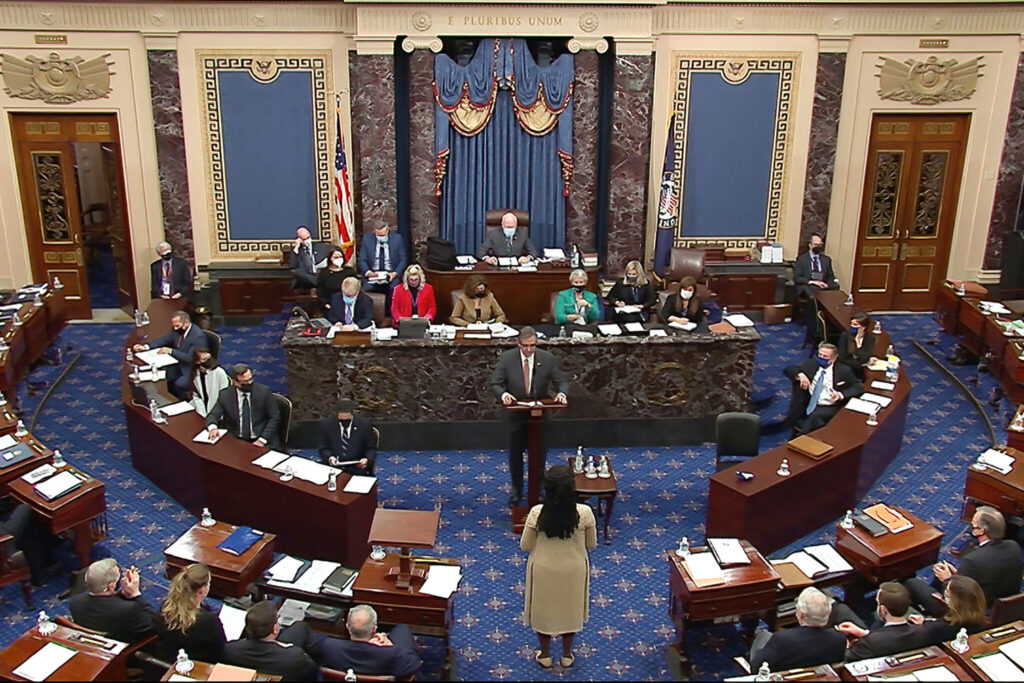
Musk’s remarks came after the November 2026 midterm elections, in which Democrats made significant gains and took control of both chambers of Congress. The results also included major Republican defeats in Texas, where Democrat Gina Hinojosa defeated incumbent Gov. Greg Abbott and Democrat James Talarico won the U.S. Senate race against Republican Ken Paxton.
Musk had spent more than $400 million supporting Republican candidates and political groups during the election cycle. Reports have placed his overall spending at close to $500 million, although totals vary depending on which political contributions and affiliated spending are included.
During the DealBook interview, Musk acknowledged that the investment had not produced the outcome he wanted.
“I feel pretty foolish about having spent so much money and not seeing much for it,” he said.
He also recognized that the spending might have influenced some races, even if it did not prevent the broader Republican losses.
“If I could rewind the clock, I would have spent less money,” Musk added.
His comments reflected a reassessment of the role that large political contributions can play in American elections. Musk had directed substantial financial resources toward Republican candidates, but Democrats still secured victories across several important contests.
The outcome reinforced a point Musk made during the interview: campaign spending alone cannot guarantee electoral success. Voters, candidates, political organization and the issues dominating an election can all influence the results.
‘I’m Not MAGA’: Musk Rejects Blind Party Loyalty
Musk’s comments about his political identity attracted particular attention during the interview.
When Sorkin asked about his relationship with the MAGA movement, Musk responded directly.
“I’m not MAGA!” he said.
He then qualified the statement, explaining that he was uncertain how broadly the political label should be defined.
“Well, at least I’m not like — I’m not sure what MAGA means,” Musk said. “If that means sort of blind adherence to a set of policies by the Republican Party, then I certainly don’t have that.”
He added that both major political parties have strengths and weaknesses.
“I think there are positives and negatives in both parties,” Musk said.
Musk also described himself as ideologically moderate and said he did not believe he held extreme political views. His comments suggested that he wanted to distinguish his support for particular Republican policies and candidates from an expectation of unconditional loyalty to the party or its leadership.
The remarks do not necessarily indicate that Musk is abandoning conservative causes or withdrawing from political activity. Rather, he presented himself as someone who does not want to be defined by a single political movement.
Musk Once Described Himself as ‘Dark MAGA’
The latest comments contrast with Musk’s public statements during the 2024 presidential campaign.
At a Trump campaign rally in New York, Musk enthusiastically embraced the movement and described himself as “Dark MAGA.” The phrase became part of his public political persona as he campaigned for Trump and encouraged supporters to vote Republican.
Musk’s support extended well beyond campaign appearances. He contributed substantial sums to political organizations supporting Trump’s presidential campaign and became one of the Republican candidate’s most visible billionaire backers.
After Trump returned to the White House in January 2025, Musk joined the administration as a special government employee and became closely associated with the Department of Government Efficiency, commonly known as DOGE.
The initiative was tasked with identifying opportunities to reduce federal spending and restructure government operations. Musk’s involvement made him one of the most prominent outside figures in the administration during its early months.
However, his relationship with Trump and the administration later became more complicated. Disagreements over government spending, legislation and other policy questions contributed to a public falling-out between the two men in 2025.
Although the relationship subsequently improved, the episode demonstrated that Musk’s political and business interests did not always align with the administration’s priorities.
Musk Previously Acknowledged Policy Differences With Trump
Musk’s DealBook comments were not the first time he had publicly acknowledged disagreements with Trump.
In a June 2025 interview with CBS News’ Sunday Morning, Musk said that supporting the president did not mean agreeing with every decision made by the administration.
“It’s not like I agree with everything the administration does,” Musk said. “I mean, I agree with much of what the administration does, but we have differences of opinion.”
That earlier statement followed a period of public tension between Musk and Trump, particularly over the administration’s major tax and spending legislation.
The two eventually moved toward reconciliation, but Musk’s latest comments suggest that he continues to regard himself as politically independent rather than automatically aligned with every Republican position.
His distinction is significant because Musk has considerable influence in business, technology and political fundraising. His financial support can provide candidates and political organizations with substantial resources, even as his public statements may generate controversy among voters and political leaders.
Musk Expresses Confidence in Texas Governor-Elect Gina Hinojosa
Musk also discussed the outcome of the Texas gubernatorial election, offering a relatively positive assessment of Democratic governor-elect Gina Hinojosa.
Hinojosa defeated Republican incumbent Greg Abbott in the November election, ending more than three decades of Republican control of the Texas governor’s office. Her victory was part of a broader Democratic advance in the state, where the party also won the U.S. Senate race and several other statewide contests.
Musk, whose companies have major operations in Texas, was asked about the incoming governor and her political approach.
He suggested that Hinojosa would govern as a moderate and expressed confidence that the state would be able to work with her administration.
“I don’t think she’s sort of a far-left governor,” Musk said. “Based on everything I’ve heard about her, I think things will be fine in Texas with Gina as governor.”
The comments were notable because Musk has invested heavily in Texas, where Tesla operates major manufacturing facilities and SpaceX maintains important launch and development operations.
His business interests give him a direct stake in state policies involving taxation, infrastructure, energy, employment and business regulation.
Hinojosa’s election could bring changes in the state’s political priorities, although the practical impact on companies operating in Texas will depend on the policies her administration pursues and the decisions made by the state legislature.
Musk’s comments did not amount to an endorsement of Hinojosa’s broader political platform. Instead, he expressed the view that her administration would not necessarily represent the kind of extreme political shift some Republican critics have warned about.
Musk Says Divided Government Can Provide Checks and Balances
Another notable part of the DealBook discussion involved Musk’s views on political power in Washington.
Rather than arguing that Republicans should control every branch of the federal government, Musk said he believed it was important to maintain a balance of power.
He explained that his objective during the midterm elections had been to help Republicans retain at least one important part of the federal government rather than allow either party to hold complete control.
Musk said he did not favor an overwhelming concentration of power in either party.
His comments indicated that he viewed divided government as a way to maintain checks and balances, even though the Democratic victories meant that Republicans lost control of both chambers of Congress.
The position offers some explanation for why Musk described his political outlook as moderate during the interview. He argued that political competition and institutional checks are important, rather than treating one party’s complete control as an essential objective.
However, his preferred political outcome did not materialize. Democrats’ victories in November gave the party control of the House and Senate, setting up a different political environment for the remainder of Trump’s term.
Trump’s Relationship With Musk Remains a Political Question
Musk’s declaration that he is not MAGA raises questions about how closely he intends to remain aligned with Trump and the Republican Party.
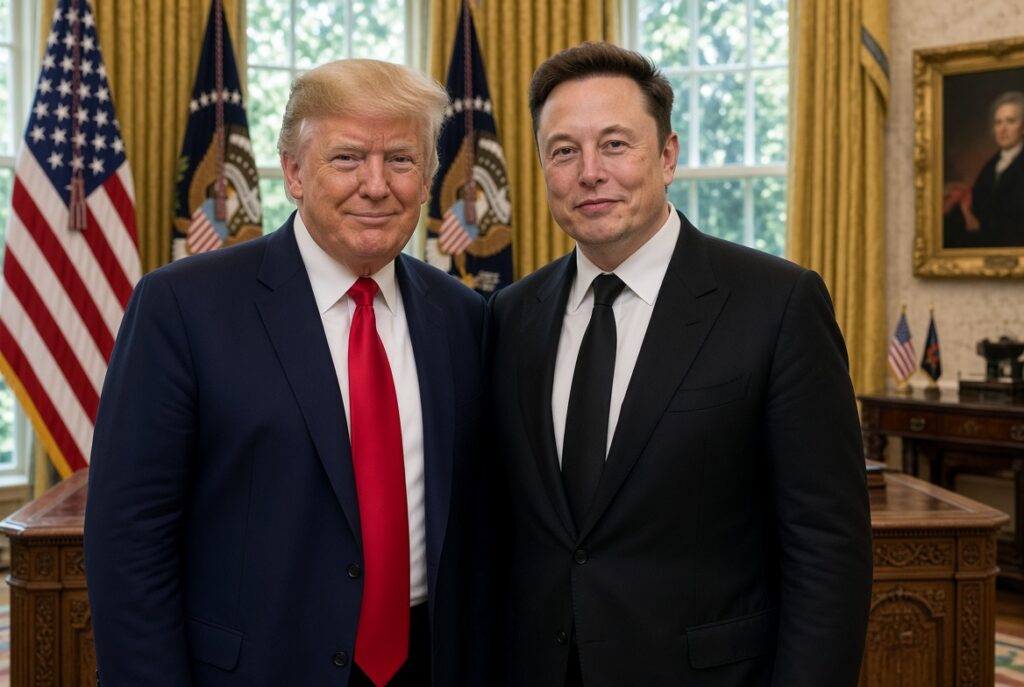
The two men have experienced periods of close cooperation and public disagreement. Musk played a major role in supporting Trump’s return to the White House, later joined the administration’s cost-cutting initiative, and eventually clashed with the president over legislation and policy.
Their relationship has since improved, and Musk’s latest remarks did not amount to a complete rejection of Trump or his administration.
Trump, responding to Musk’s comments, described the billionaire as a friend and said he believed Musk had good intentions. The president also suggested that people who move away from the MAGA movement do not necessarily fare well politically.
The response indicated that Trump’s relationship with Musk had not simply ended following the billionaire’s declaration.
For Musk, the challenge may be maintaining political independence while continuing to operate businesses that are affected by federal and state government decisions. Tesla, SpaceX and his other ventures operate in industries where government contracts, regulation, infrastructure and public policy can have significant consequences.
His financial resources and public profile also mean that his political comments are likely to remain part of the national conversation.
What Musk’s Comments Mean for His Political Future
Musk’s DealBook appearance offered a revealing account of how he views his recent political involvement. He acknowledged that his financial contributions did not produce the electoral outcome he wanted, questioned whether he had spent too much, and rejected the idea that he should be identified with a political movement simply because he previously supported its candidates.
At the same time, he did not announce a complete withdrawal from political activity or abandon his support for individual Republican policies.
His remarks also reflected a broader argument about the limits of political fundraising. Even exceptionally large financial contributions cannot guarantee that voters will support a particular candidate or party.
The 2026 midterm results demonstrated that Musk’s spending did not prevent Democrats from winning control of Congress and several important state offices. His comments suggest that the experience has prompted him to reconsider the scale of his future political investments.
For Trump and the Republican Party, Musk’s position presents a complicated situation. He remains a wealthy and influential figure who has supported Republican candidates, but he is now publicly emphasizing independence from the MAGA label.
Ultimately, Musk’s statement that he is “not MAGA” marks a notable change in how he describes his political identity. Whether that shift leads to a lasting change in his political spending, his relationship with Trump or his involvement in future elections remains to be seen.
Benjamin Harris is a RapidReports front page contributor and editor,proud father of four.