US Gas Prices Drop to $3.78 Per Gallon as Millions of American Drivers Get Welcome Relief at the Pump
American motorists are receiving some much-needed financial relief as gasoline prices across the United States continue to decline, with the national average reportedly falling to $3.781 per gallon on Tuesday. The latest decrease represents the lowest average gasoline price in approximately eight months, offering households, commuters, transportation businesses, and holiday travelers an opportunity to reduce their fuel expenses after months of elevated costs.
The recent decline in gasoline prices is attracting attention across the country as millions of Americans continue to monitor their household budgets and transportation expenses. For drivers who depend on personal vehicles for commuting, shopping, school transportation, and long-distance travel, even a modest reduction in the price of fuel can make a noticeable difference over time.
According to figures attributed to the American Automobile Association (AAA), the national average price of regular gasoline reached $3.781 per gallon on Tuesday. The reported figure represents a significant improvement compared with the higher prices recorded toward the end of September.
The downward movement has also been reflected in data from GasBuddy, which indicates that average gasoline prices have declined by approximately 72.8 cents per gallon over a 54-day period following a September 24 peak.
For an ordinary American household, the difference can translate into meaningful savings throughout the month. Drivers who regularly fill their vehicles may find that their transportation budgets become easier to manage as gasoline prices move lower.
The improvement is particularly important for families living in areas where driving is essential because public transportation options are limited or unavailable.
However, the recent decline raises another important question: Can American drivers expect gasoline prices to remain lower, or could changing international energy conditions reverse the current trend?
National Average Gasoline Prices Reach Their Lowest Level in Eight Months
The latest reported decline in gasoline prices marks an important development for American consumers who have experienced months of higher transportation expenses.
AAA’s reported national average of $3.781 per gallon represents the lowest level in approximately eight months and the cheapest gasoline prices recorded since March, according to the supplied figures.
Gasoline prices are closely monitored because they affect household spending, business operating costs, transportation expenses, and consumer confidence.
Unlike many household purchases, fuel is an expense that millions of Americans cannot easily avoid. People who commute long distances, work in transportation, operate small businesses, or live outside major metropolitan areas often depend heavily on affordable gasoline.
When prices increase, drivers may have to redirect money from savings, groceries, entertainment, or other household expenses to cover the additional transportation costs.
When gasoline becomes cheaper, the opposite can happen.
Households may have additional money available for other purchases, while businesses that depend on vehicles can experience some relief from operating expenses.
The latest reduction therefore represents more than a change in the price displayed at gas stations. It could also influence the financial decisions of families and businesses throughout the country.
Nevertheless, the national average does not represent the price every motorist pays. Actual gasoline costs vary depending on location, state taxes, local competition, transportation expenses, and the type of fuel purchased.
Gas Prices Fall 72.8 Cents in Just 54 Days
One of the most notable aspects of the recent decline is how quickly gasoline prices have moved downward.
According to GasBuddy data cited in the supplied report, the national average has fallen approximately 72.8 cents per gallon over 54 days since reaching a peak on September 24.
Such a substantial reduction can have an immediate impact on motorists who regularly purchase large quantities of gasoline.
For drivers who remember paying considerably more during the late summer and early autumn months, the recent movement represents a welcome change.
The decline also demonstrates how quickly retail gasoline prices can respond to changing conditions in international oil markets, refinery operations, fuel inventories, and seasonal demand.
Gasoline prices are influenced by several interconnected factors.
Crude oil is one of the most important components because it serves as the primary raw material used to produce gasoline and diesel.
However, the final amount consumers pay also includes refining expenses, distribution costs, taxes, and the margins charged by retailers.
Changes in any of these areas can influence the price displayed at the pump.
When crude oil becomes less expensive and gasoline supplies improve, retailers may eventually pass some of those savings to consumers.
The speed at which that happens can vary from one region to another.
How Much Can American Drivers Save When Gasoline Falls by 72.8 Cents?
The difference between the September peak and the latest reported national average could provide noticeable savings for motorists.
Consider a vehicle with a 15-gallon fuel tank.
If gasoline costs 72.8 cents less per gallon than it did at the previous peak, filling the same tank would cost approximately $10.92 less.
That calculation illustrates why falling gasoline prices matter to ordinary households.
<escape>| Fuel comparison | Estimated cost |
|—|—:|
| Previous price difference | $0.728 per gallon |
| Savings on 10 gallons | $7.28 |
| Savings on 15 gallons | $10.92 |
| Savings on 20 gallons | $14.56 |
| Savings on 30 gallons | $21.84 |</escape>
For a household with two vehicles, the combined savings could become more significant over several weeks.
Consider a family that fills two 15-gallon tanks every week. If the entire 72.8-cent reduction applies to each purchase, the household could save approximately $21.84 weekly compared with the previous price level.
Over four weeks, that would represent approximately $87.36 in potential savings.
Actual household savings depend on driving habits, vehicle efficiency, tank capacity, and how frequently drivers purchase fuel.
Even so, the example demonstrates how a reduction in gasoline prices can affect household finances.
For people who drive every day, the savings can accumulate without requiring any major changes to their normal routines.
Why Gasoline Prices Are Declining Across the United States
The recent improvement in gasoline prices has been associated with several developments in the international energy market.
One important factor is the changing balance between global oil supply and demand.
When oil production increases and transportation routes operate more normally, energy markets may experience less concern about potential shortages.
Higher supply can place downward pressure on crude oil prices, which may eventually contribute to lower gasoline costs.
International geopolitical developments have also influenced energy markets.
Conflicts involving Iran, Ukraine, and other strategically important regions have created uncertainty about the availability and transportation of petroleum products.
Because oil is traded internationally, disruptions in one part of the world can affect prices in countries thousands of miles away.
The possibility of military escalation near major oil-producing regions can increase concerns about future supply.
When those concerns become less severe, markets may begin adjusting their expectations.
The recent decline in gasoline prices appears to coincide with improved supply conditions and reduced immediate concerns about certain international shipping disruptions, according to the supplied reporting.
However, no single development explains the entire decline.
Crude oil prices, refinery production, gasoline inventories, seasonal demand, and regional distribution conditions all contribute to the final price consumers pay.
Strait of Hormuz Shipping Activity Becomes Important for Global Energy Markets
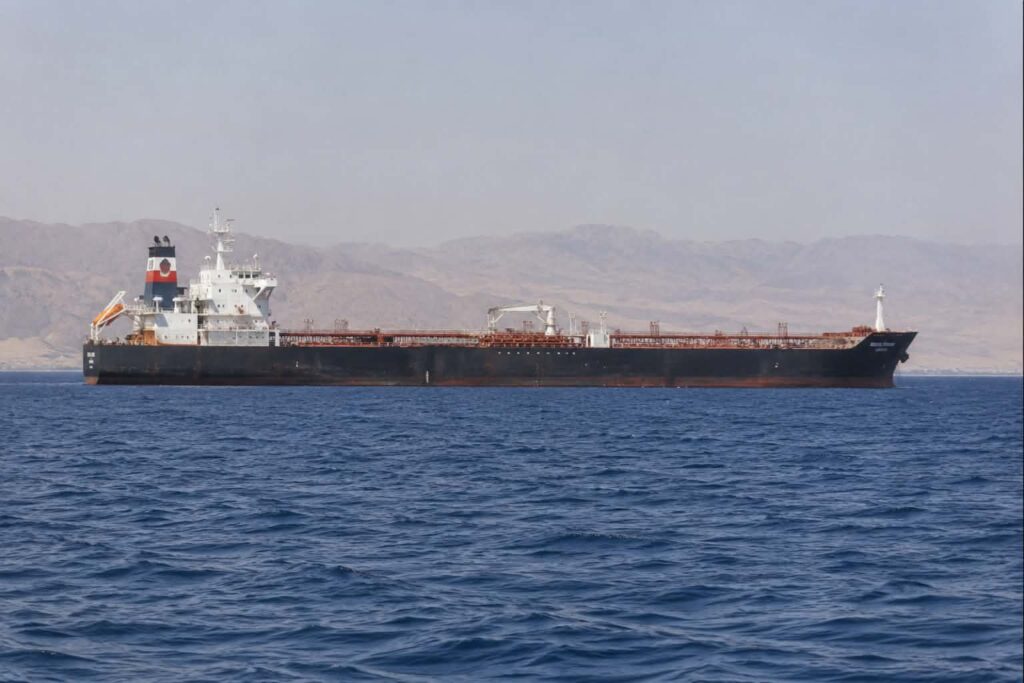
One of the most important international factors affecting oil markets is the Strait of Hormuz.
Located between Iran and Oman, this narrow waterway connects the Persian Gulf with the Gulf of Oman and the wider Arabian Sea.
It is one of the world’s most strategically important maritime routes because significant quantities of internationally traded petroleum pass through it.
Any disruption to shipping activity in the area can create concerns about the availability of oil and the reliability of international energy transportation.
For energy-importing countries, the security of this route is particularly important.
When shipping operators face increased security risks, transportation costs may rise, insurance arrangements may become more expensive, and deliveries may experience delays.
These developments can influence international oil prices even before an actual shortage occurs.
According to the supplied report, shipments through the Strait of Hormuz have increased in recent weeks, contributing to improved expectations about the availability of energy supplies.
This development may help reduce some of the uncertainty that previously influenced oil markets.
However, the waterway remains strategically sensitive.
Any renewed military confrontation or disruption to commercial shipping could change market expectations and place upward pressure on energy prices.
For American motorists, developments in this distant maritime corridor can therefore have consequences at local gasoline stations.
International Conflicts Have Played a Role in Fuel Market Uncertainty
International conflicts can influence gasoline prices because the petroleum industry depends on a complex network of production facilities, pipelines, shipping routes, refineries, and distribution infrastructure.
Military tensions involving major energy-producing regions can create uncertainty about future supplies.
Even when oil production continues, concerns about possible disruptions can influence the prices buyers are willing to pay.
The conflicts involving Iran and Ukraine have contributed to broader geopolitical uncertainty in international energy markets.
Market participants closely monitor developments that could affect oil production, export infrastructure, maritime transportation, and international trade.
When the possibility of supply disruptions increases, crude oil prices can experience upward pressure.
When concerns ease and supplies become more reliable, prices may move in the opposite direction.
The supplied report also points to signs that President Donald Trump has held off on further attacks against Iran, reducing some concerns about a wider military confrontation.
However, political and military developments can change rapidly.
The relationship between geopolitical events and gasoline prices is not always immediate or straightforward.
Crude oil contracts, refinery operations, transportation arrangements, and retail pricing all respond according to different timelines.
For that reason, motorists should understand that lower prices today do not necessarily guarantee that gasoline will remain inexpensive in the coming weeks.
Diesel Prices Also Decline Below $6 Per Gallon
The improvement in fuel prices is not limited to regular gasoline.
Diesel prices have also reportedly declined, providing relief to trucking companies, freight operators, commercial transportation businesses, and other industries that depend on diesel-powered vehicles.
According to the supplied report, the average diesel price fell below $6 per gallon on Monday for the first time since September.
This development is particularly important because diesel fuel plays a central role in the American transportation and logistics industry.
Large trucks transport food, construction materials, consumer products, industrial equipment, and countless other goods across the country.
When diesel becomes more expensive, transportation companies may experience higher operating costs.
Those expenses can eventually influence the prices charged for delivering products and materials.
Smaller trucking businesses can be especially sensitive to changes in fuel expenses because diesel represents a significant part of their operating budgets.
A sustained decline could therefore provide some relief to transportation companies and potentially reduce pressure on certain supply-chain costs.
However, diesel prices and gasoline prices do not always move together.
They are influenced by different seasonal demand patterns, refinery production requirements, inventory conditions, and international market factors.
A decline in one fuel category does not automatically guarantee an identical reduction in the other.
GasBuddy Analyst Says Lower Diesel Prices Could Continue
GasBuddy analyst Patrick De Haan has described the decline in diesel prices below $6 per gallon as an encouraging development for truckers and consumers.
In comments attributed to him in the supplied report, De Haan suggested that the downward trend could continue.
He also pointed to the International Energy Agency’s increased oil production forecast as a factor that could place additional pressure on prices.
The agency’s assessments of global oil supply are closely followed by energy companies, governments, financial institutions, and market analysts.
Its production and supply forecasts help provide insight into the balance between available petroleum and expected consumption.
When production forecasts increase, markets may anticipate greater availability of crude oil.
However, forecasts are not guarantees.
Actual production can differ from expectations because of geopolitical developments, investment decisions, infrastructure limitations, production agreements, and unexpected disruptions.
For motorists, the most important issue is whether improved supply conditions continue translating into lower wholesale gasoline and diesel prices.
If that happens, retail fuel prices could receive additional downward pressure.
If supply conditions deteriorate or demand increases unexpectedly, the direction of prices could change.
Gasoline Prices Fall Below $4 in 39 States
Another important development is the growing number of states where average gasoline prices have reportedly moved below the $4-per-gallon level.
According to the supplied figures, gasoline prices were below $4 in 39 states, with Idaho, Vermont, Illinois, and New York expected to join them soon.
Crossing the $4 threshold is psychologically important for many motorists because it represents a price level that has become a familiar benchmark in discussions about household transportation costs.
Although a difference of a few cents may seem relatively small, it can become meaningful when multiplied across repeated fuel purchases.
The national average also hides substantial regional differences.
Some states regularly record lower gasoline prices because of differences in fuel taxes, refinery access, transportation networks, and local market competition.
Other areas face higher costs because of environmental fuel requirements, distribution expenses, and regional supply limitations.
Drivers in metropolitan areas may also encounter different prices depending on the neighborhood and the level of competition among nearby gas stations.
For this reason, motorists should compare local prices rather than assuming the national average accurately represents their individual fuel expenses.
The growing number of states with average gasoline prices below $4 nevertheless indicates that the reported decline is affecting a broad part of the country.
International Energy Agency Reports Significant Increase in Global Oil Supply
Global oil production and supply conditions are another important part of the recent gasoline price story.
The International Energy Agency reportedly recorded an increase of approximately 3 million barrels per day in global oil supplies during September.
The supplied report also indicates that global supply increased by another 2.3 million barrels per day in October, reaching approximately 105.4 million barrels per day.
Such figures are important because the international petroleum market responds to the relationship between available supply and expected consumption.
When more oil becomes available, buyers may face less competition for existing supplies.
This can reduce concerns about shortages and place downward pressure on crude oil prices.
The effects can eventually move through the petroleum supply chain.
Crude oil is transported to refineries, processed into gasoline and diesel, and distributed to wholesalers and retailers.
Changes in crude oil prices can therefore influence the costs associated with producing and supplying transportation fuels.
However, the relationship is not automatic.
Refinery maintenance, unexpected outages, regional inventory levels, seasonal gasoline requirements, and transportation expenses can affect the amount of savings that ultimately reaches consumers.
The reported increase in global production nevertheless provides an important explanation for why energy markets may be experiencing improved supply conditions.
What Falling Gasoline Prices Mean for American Families
Lower gasoline prices can have a direct impact on the finances of American households.
For families that depend on cars for daily activities, fuel is often one of the most regular transportation expenses.
Parents may need to drive children to school, employees may commute to work, and households may travel considerable distances for groceries, medical appointments, and other essential services.
In rural communities, driving can be particularly important because public transportation options may be limited.
When fuel prices rise, these households may have fewer opportunities to reduce their transportation expenses.
A sustained decline can therefore provide financial flexibility.
The money saved on gasoline could be used for groceries, household bills, savings, education expenses, or other purchases.
For lower- and middle-income households, even relatively small reductions in recurring expenses can make a difference.
Lower fuel prices may also benefit workers who use personal vehicles for employment-related travel.
Delivery drivers, independent contractors, home-service professionals, and other mobile workers often face fuel expenses that directly affect their earnings.
Although the benefit varies by occupation and driving frequency, declining gasoline prices can improve the financial position of people who depend on transportation for their income.
Could Cheaper Diesel Reduce the Cost of Everyday Goods?
Diesel fuel is an important operating expense throughout the American supply chain.
Most consumer goods travel through several stages of transportation before reaching stores, warehouses, distribution centers, and individual customers.
Trucks play a major role in moving these products.
When diesel prices increase, trucking companies may face higher expenses for every mile traveled.
Depending on market conditions and contractual arrangements, some of those additional costs can be passed to businesses purchasing transportation services.
Businesses may then consider whether to absorb the higher costs or adjust their prices.
This is one reason why diesel prices receive attention beyond the transportation industry.
A sustained reduction in diesel costs could help ease operating expenses for freight companies and other businesses.
However, lower diesel prices do not guarantee immediate reductions in supermarket prices, construction costs, or online shopping expenses.
Retail prices are influenced by numerous factors, including labor, rent, manufacturing, storage, insurance, financing, and demand.
Fuel is only one part of the overall cost structure.
Nevertheless, cheaper diesel can contribute to a more favorable operating environment for businesses that rely heavily on road transportation.
Holiday Travel Could Become Less Expensive for American Motorists
The timing of the reported gasoline price decline could be particularly helpful for families preparing for holiday travel.
Millions of Americans travel by car during major holiday periods to visit relatives, attend celebrations, take vacations, and participate in seasonal activities.
For many households, long-distance driving can require several fuel stops.
When gasoline prices are elevated, the cost of a family road trip can increase significantly.
A lower national average may therefore make certain journeys less expensive compared with periods of higher fuel prices.
Families planning road trips may find that they have more room in their transportation budgets for accommodation, meals, entertainment, and other travel expenses.
Lower fuel costs could also benefit tourism-related businesses in areas that depend on visitors arriving by car.
Hotels, restaurants, attractions, and local retailers can all be affected by changes in consumer travel activity.
However, motorists should remember that gasoline prices vary considerably between states and even between neighboring communities.
Planning fuel stops, comparing local prices, and maintaining proper vehicle tire pressure can help drivers manage travel expenses.
For households preparing for the holiday driving season, the reported decline is an encouraging development.
Why Gasoline Prices Could Rise Again Despite the Recent Decline
Although the current trend offers relief, gasoline prices remain sensitive to developments that can change quickly.
One important factor is crude oil production.
If major producing countries reduce output or unexpected disruptions affect production facilities, international oil supplies could tighten.
Another factor is geopolitical risk.
Renewed military tensions involving major energy-producing regions could increase concerns about petroleum transportation and export infrastructure.
The Strait of Hormuz remains especially important because disruptions to shipping could affect the movement of significant quantities of oil.
Weather conditions can also influence energy markets.
Severe storms may affect offshore production, refineries, pipelines, and transportation infrastructure.
Refinery maintenance and unexpected equipment problems can create temporary shortages of gasoline in specific regions.
Seasonal demand also matters.
The transition between different gasoline formulations and changing driving patterns can influence production costs and regional prices.
Finally, stronger consumer demand can place additional pressure on available fuel inventories.
These factors demonstrate why gasoline prices rarely move in one direction indefinitely.
Even when global supply improves, unexpected events can change the market outlook.
For consumers, the best approach is to monitor local prices and avoid assuming that the latest decline will continue without interruption.
What American Drivers Should Watch in the Coming Weeks
Several developments will help determine whether gasoline prices continue moving lower.
First, motorists should monitor crude oil prices because changes in the cost of petroleum can eventually influence gasoline production expenses.
Second, global production figures and inventory reports can provide information about whether available supplies are increasing or decreasing.
Third, shipping activity through the Strait of Hormuz will remain important for understanding international energy transportation risks.
Fourth, refinery operations across the United States will influence regional gasoline availability and wholesale pricing.
Finally, seasonal driving demand may affect how much downward pressure reaches retail fuel prices.
These developments are important not only for individual motorists but also for trucking companies, airlines, delivery services, manufacturers, and businesses that rely on transportation.
A combination of stronger supply and stable international conditions could support lower fuel prices.
However, renewed disruptions or stronger demand could slow the decline or reverse it.
Conclusion: Falling US Gas Prices Bring Welcome Financial Relief to Millions of Drivers
The reported decline in American gasoline prices represents an encouraging development for motorists who have spent months managing higher transportation expenses.
With the national average reportedly reaching $3.781 per gallon, drivers are seeing prices return to levels not recorded since March.
The approximately 72.8-cent decline over 54 days could translate into meaningful savings for households that regularly fill their vehicles.
Diesel prices have also reportedly fallen below $6 per gallon, providing some relief to trucking companies and businesses that depend on commercial transportation.
Improved global oil supplies, increased shipping activity through the Strait of Hormuz, and changing expectations surrounding international geopolitical developments have all been identified as possible contributors to the more favorable energy market environment.
The reported expansion of oil supply to approximately 105.4 million barrels per day in October also provides important context for the recent movement in fuel prices.
For American families preparing for holiday travel, the decline offers a welcome opportunity to manage transportation budgets more comfortably.
Nevertheless, gasoline prices remain vulnerable to international conflicts, oil production decisions, refinery disruptions, weather conditions, and changes in consumer demand.
Whether the decline continues will depend on how these factors develop in the coming weeks.
For now, American drivers have reason to welcome the improvement. After months of elevated fuel expenses, lower gasoline prices could provide some much-needed breathing room for household budgets and transportation-dependent businesses.
The biggest question for motorists is whether stronger global oil supplies and improved shipping conditions will keep gasoline prices moving lower or whether another change in the international energy market will bring higher costs back to the pump.

Benjamin Harris is a RapidReports front page contributor and editor,proud father of four.