Trump Signals Federal Accountability Concerns in DC Mayoral Race as Progressive Wing Gains Momentum
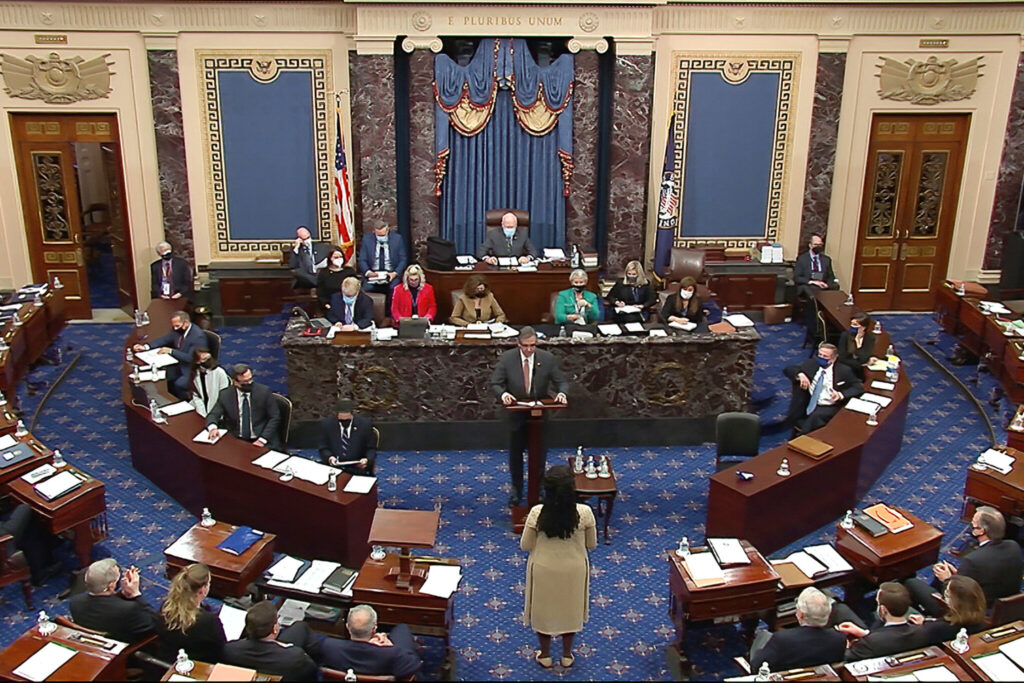
Washington, D.C.’s upcoming mayoral election is drawing national attention, with growing debate over public safety, governance, and the city’s future direction as a Democratic socialist candidate leads the Democratic primary.
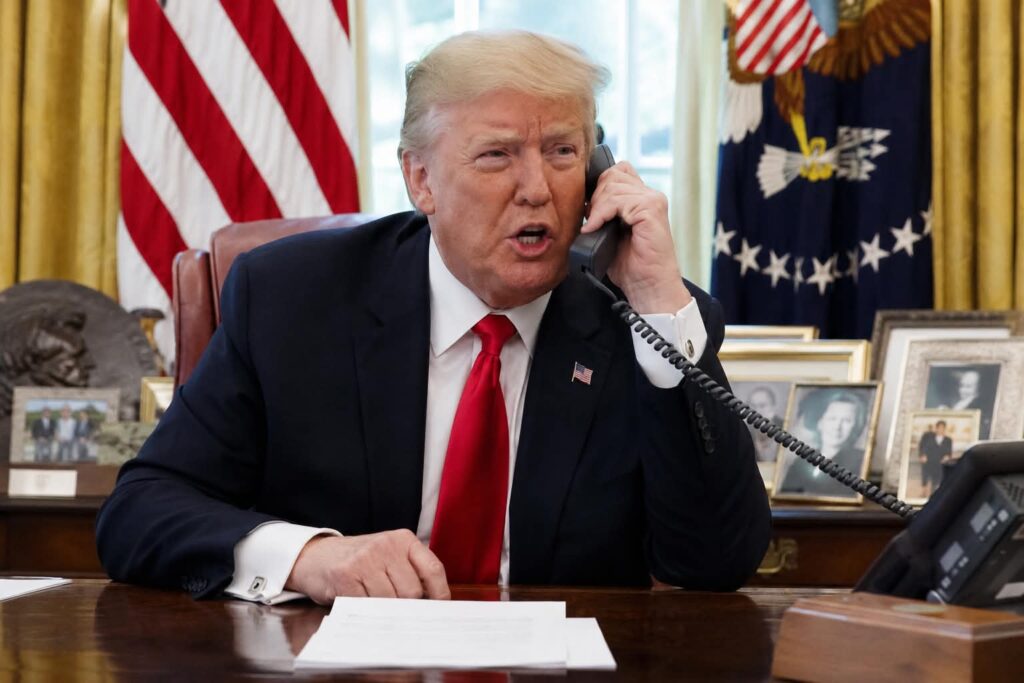
Former President Donald Trump recently raised concerns about what a leadership shift toward far-left policies could mean for the nation’s capital. In remarks addressing the possibility of a victory by councilmember Janeese Lewis George, Trump suggested that the federal government could reassess its role in managing Washington, D.C. under extreme circumstances.
He emphasized that the capital must remain stable and effectively governed, warning that continued disorder or policy shifts away from enforcement-focused governance could prompt stronger federal oversight discussions.
[poll id=”2″]
Progressive Candidate’s Platform Draws National Scrutiny
Janeese Lewis George, a D.C. Council member affiliated with the Democratic Socialists of America, currently leads polling ahead of the June 16 Democratic primary. Her platform has centered on expanded public programs, housing reform, and reducing reliance on traditional law enforcement approaches.
Supporters argue her agenda prioritizes social investment and long-term community development. Critics, however, say her policies reflect a broader national trend within the Democratic Party toward more progressive and experimental governance models that may not align with public safety concerns in urban areas.
Debate Over Public Safety and Law Enforcement
During a recent mayoral debate, Lewis George opposed youth curfews even amid widely reported incidents of teen-related disturbances affecting parts of Washington, D.C. She argued that curfews can be counterproductive and instead advocated for expanded youth employment programs, apprenticeships, and community-based services.
Her remarks also included criticism of increased federal law enforcement presence in the city, which she characterized as unnecessary and disruptive to local governance.
Conservative policy analysts counter that stronger enforcement and clear public order standards are essential for preventing repeat disruptions. Analysts from organizations such as the Manhattan Institute argue that reducing accountability measures can contribute to continued disorder in public spaces.
Housing Policy Controversy and Zoning Debate
Lewis George has also faced scrutiny regarding housing policy after reports of her purchasing a $1.19 million home in Washington’s Manor Park neighborhood. Critics have pointed to the purchase alongside her advocacy for sweeping zoning reforms aimed at increasing housing density across the city.
Opponents argue this reflects a disconnect between policy proposals and personal decisions, while supporters say it does not contradict her broader goal of expanding housing access in a high-cost city.
Federal Authority and the Future of DC Governance
Washington, D.C. operates under the Home Rule Act, which grants local self-governance while still leaving ultimate authority with Congress. This unique structure has long fueled debate over how much federal oversight should exist when local policies are viewed as ineffective or inconsistent with national interests.
Trump’s comments reflect a broader conservative concern about maintaining order, economic stability, and effective law enforcement in the capital—especially as voters consider candidates with sharply different visions for the city’s future.
A High-Stakes Local Election with National Implications
While the race is technically local, it has become a national focal point in discussions about crime policy, housing, and the ideological direction of the Democratic Party’s urban leadership.
With the primary approaching, Washington voters are weighing competing visions: one focused on expanded government programs and reduced enforcement emphasis, and another centered on stricter public safety measures and traditional governance approaches.
The outcome is expected to be closely watched not only in D.C., but across the country as an indicator of where urban policy debates may be heading in the years ahead.
Benjamin Harris is a RapidReports front page contributor and editor,proud father of four.