Public Opinion Polls and Historical Perspectives on Donald Trump’s Presidency in the United States
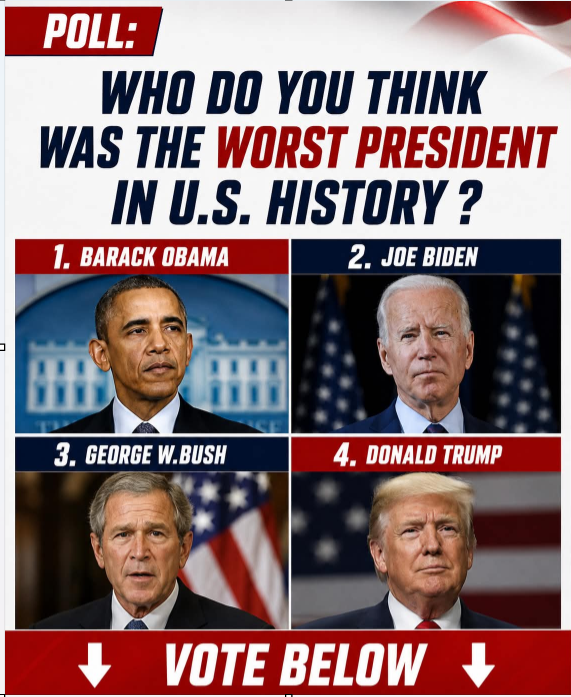
[poll id=”3″]
Public opinion about U.S. presidents is measured through a combination of approval ratings, historical surveys, and academic evaluations. These assessments are not designed to declare a single “best” or “worst” president, but rather to capture how different groups perceive presidential performance over time. Donald Trump, the 45th president of the United States, has been a frequent subject in such discussions due to his highly polarizing political style and policy decisions.
During his time in office from 2017 to 2021, Donald Trump’s approval ratings remained relatively stable compared to some past presidents but were consistently divided along party lines. According to Gallup polling trends, his approval ratings showed strong support among Republican voters while remaining significantly lower among Democratic voters, reflecting deep political polarization in the United States.
In historical rankings conducted by political historians and academic surveys, Trump’s placement has varied but generally falls in the lower to middle tiers. These rankings often consider criteria such as leadership during crises, foreign policy achievements, economic performance, and moral authority. Because these studies use expert scoring systems, they may differ significantly from public opinion polls.
One widely cited example is the C-SPAN Presidential Historians Survey, which periodically ranks U.S. presidents based on comprehensive leadership categories. In such surveys, presidents like Abraham Lincoln, George Washington, and Franklin D. Roosevelt frequently rank at the top, while more recent or controversial presidents, including Trump, tend to receive mixed evaluations depending on the category being assessed.
Public polling data also reflects strong variation in how individuals view presidential success. For example, economic indicators during Trump’s presidency, including pre-pandemic job growth and stock market performance, are often cited positively by supporters. However, other aspects, such as political division and handling of national events, are frequently discussed in critical evaluations.
It is important to note that presidential rankings are not static. Over time, historical reassessments can change how presidents are viewed. Some presidents who were unpopular during their time in office have improved in historical standing, while others have declined as more information and long-term outcomes become available.
Comparing presidents across different eras is also inherently complex. Economic conditions, global conflicts, technological changes, and social movements all influence how leadership is evaluated. As a result, rankings that attempt to determine a single “best” or “worst” president often reflect methodology choices rather than universal agreement.
In the case of Donald Trump, evaluations remain highly divided among scholars, media analysts, and the public. This division is itself a notable feature of his presidency, illustrating how modern political discourse in the United States has become increasingly polarized.
Overall, surveys and historical analyses of U.S. presidents, including Donald Trump, are best understood as reflections of differing perspectives rather than definitive judgments. They provide insight into how leadership is interpreted through various lenses such as policy outcomes, public perception, and historical context.

Benjamin Harris is a RapidReports front page contributor and editor,proud father of four.