Nationwide FAA Ground Stop Sparks Investigation After Equipment Failure Disrupts U.S. Air Travel
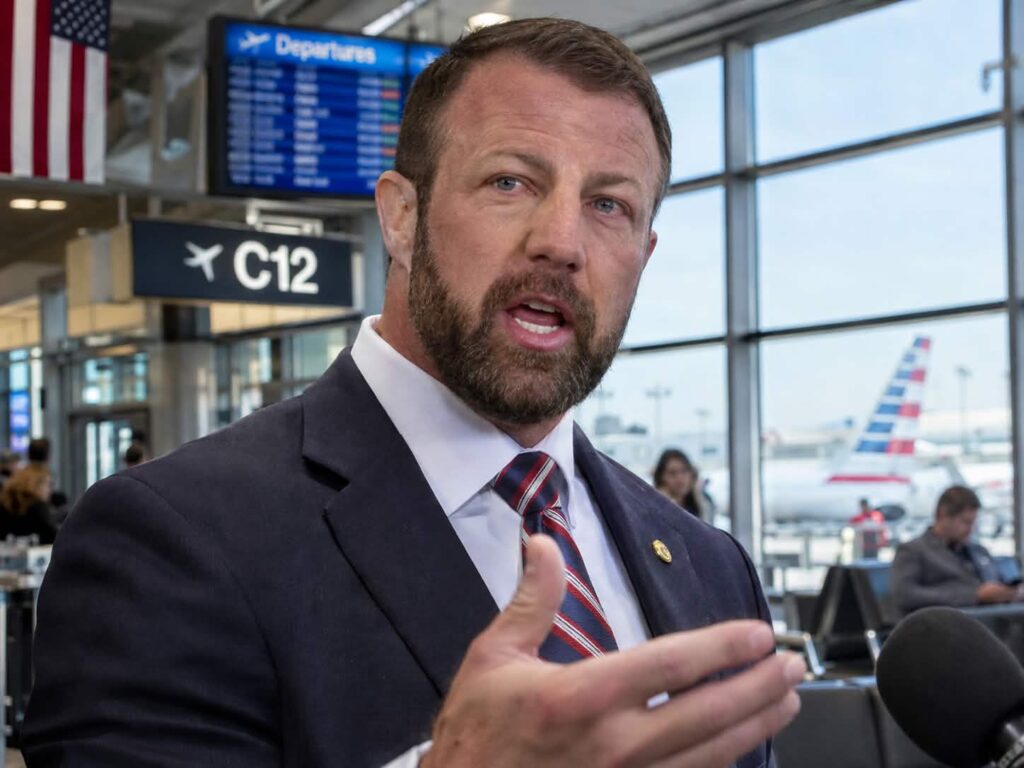
Homeland Security Secretary Markwayne Mullin defended the federal government’s response to a nationwide aviation disruption after a communications network failure forced the Federal Aviation Administration (FAA) to halt flights across the United States. Speaking before the House Homeland Security Committee, Mullin said air traffic controllers safely brought aircraft to the ground and helped restore normal operations within hours.
The incident began Friday afternoon after a surge of data overwhelmed aging equipment in the FAA’s communications network. The disruption affected air traffic control facilities across the country, triggering widespread flight cancellations and leaving thousands of travelers facing delays.
Investigators are still trying to determine why a routine equipment replacement at a communications facility in Arkansas contributed to a nationwide failure. Transportation Secretary Sean Duffy said investigators had recreated the incident but had not yet identified its underlying cause.
The FAA has found no indication of a cyberattack, while officials continue examining the equipment and network conditions that caused the disruption.
Markwayne Mullin Defends Federal Response to Nationwide Flight Disruption
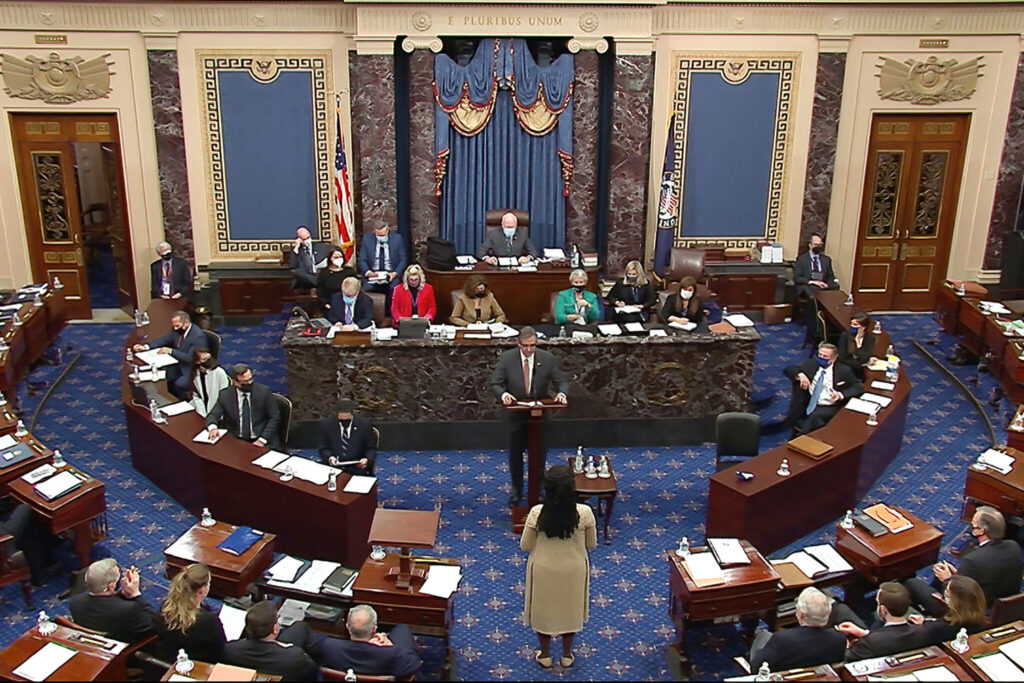
Mullin defended the government’s handling of the incident during a Wednesday hearing before the House Homeland Security Committee.
The Homeland Security secretary said multiple federal agencies worked together to manage the emergency, emphasizing that aviation officials prioritized the safe landing of aircraft before restoring normal operations.
“The whole of government went to work — every aspect of it,” Mullin told lawmakers, according to The Associated Press.
His comments came as members of Congress examined the circumstances behind the disruption and questioned whether the FAA’s communications infrastructure was sufficiently reliable to handle the demands of modern air travel.
The incident raised concerns because a technical problem involving equipment at a single location affected a substantial portion of the national air traffic control network.
Mullin’s defense focused on the response after the failure occurred. He argued that controllers maintained essential safety functions, guided aircraft to safe landings and helped restore flights within hours.
However, the hearing also highlighted unresolved questions about the original equipment failure, the FAA’s aging infrastructure and the agency’s ability to prevent similar disruptions.
How a Routine Equipment Replacement Triggered a Nationwide Ground Stop
The disruption began at approximately 3:30 p.m. Eastern on Friday, when a surge of data overwhelmed equipment connected to the FAA’s communications network.
The problem was associated with a routine equipment replacement at a communications facility in El Dorado, Arkansas.
Contractor L3Harris had installed a new router at the Arkansas location as part of an effort to update the network. Investigators are examining how the installation contributed to the data surge and why the problem affected other facilities.
The FAA’s communications network supports the exchange of information needed by air traffic controllers to manage aircraft movements across the country.
When the system experienced problems, the disruption spread beyond the Arkansas facility, affecting multiple air traffic control centers and airport-related operations.
The incident demonstrates how interconnected aviation systems can be vulnerable to technical failures even when the original problem occurs at a single location.
Modern air traffic management depends on reliable communications between controllers, pilots and supporting facilities. When those systems experience widespread disruption, aviation authorities may have to restrict operations to maintain safety.
FAA’s Air Traffic Control Network Experienced Widespread Disruption
The equipment failure affected 17 of the FAA’s 22 en route air traffic control centers.
These centers manage aircraft traveling through different regions of the United States, coordinating flight paths and maintaining safe distances between planes.
The disruption also affected several facilities responsible for guiding aircraft as they approach and depart airports.
The scale of the incident forced aviation officials to take emergency measures rather than allow normal operations to continue without reliable communications.
Some radio frequencies and radar feeds remained available, giving controllers access to essential tools for communicating with pilots and monitoring aircraft.
That remaining capability helped aviation personnel manage aircraft already in the air while the FAA addressed the broader network failure.
The FAA said every aircraft landed safely, reporting no accidents or injuries associated with the ground stop.
Although the disruption created significant inconvenience for travelers and airlines, the availability of some communications and radar systems helped maintain essential safety functions.
FAA Restored Flight Operations at 8:15 p.m. Eastern
The nationwide ground stop remained in effect until approximately 8:15 p.m. Eastern on Friday.
Once the FAA determined that the affected systems had stabilized sufficiently, aviation operations began returning to normal.
The recovery, however, did not immediately resolve the problems facing airlines and passengers.
Aircraft and flight crews were out of position, passengers were stranded at airports, and airlines had to reorganize schedules that had been disrupted across multiple regions.
A nationwide interruption can create operational problems long after the original technical failure has been addressed. Aircraft may be waiting at airports where they were not scheduled to remain, while flight crews can reach regulatory duty-time limits.
Airlines also need to coordinate replacement aircraft, available staff, passenger rebooking and airport capacity.
As a result, the restoration of FAA operations was only the beginning of the recovery process for the aviation industry.
More Than 12,000 Flights Were Canceled
The disruption caused widespread cancellations and delays across the United States.
The FAA counted approximately 12,462 flight cancellations on Friday, including 9,082 cancellations by major airlines.
However, the agency cautioned that the overall total included cancellations unrelated to the nationwide ground stop.
That distinction is important because airline cancellations can occur for several reasons, including weather conditions, staffing shortages, aircraft maintenance and other operational problems.
Nevertheless, the communications failure created substantial disruption during an already busy period for air travel.
Passengers faced missed connections, delayed arrivals and uncertainty about when replacement flights would become available.
Airlines were left working through a nationwide backlog after the FAA restored operations.
For travelers, the consequences extended beyond Friday evening. When a large number of flights are canceled simultaneously, it can take considerable time for airlines to return aircraft and crews to their scheduled positions.
Investigators Examine Arkansas and Texas Facilities
The FAA initially identified two facilities as possible sources of the data surge.
The first was a radar site in Amarillo, Texas. The second was a radio communications facility in El Dorado, Arkansas, where L3Harris had installed a new router.
Investigators examined both locations as they attempted to identify how the network became overwhelmed.
The FAA reported that the network stabilized after the contractor isolated the two sites.
However, isolating the facilities and restoring operations did not necessarily explain why the failure happened in the first place.
Investigators still need to establish whether the router installation triggered the problem directly, whether another technical issue contributed to the surge, or whether weaknesses in the wider communications network allowed a localized issue to spread.
The investigation is also expected to examine the interaction between the new equipment and existing FAA infrastructure.
Sean Duffy Says Investigators Recreated the Failure
Transportation Secretary Sean Duffy provided an update on the investigation Tuesday, saying officials had managed to recreate what happened at the El Dorado facility.
However, he said investigators had not yet determined the root cause.
Reproducing a technical failure is an important step because it allows engineers to observe the conditions that produced the disruption.
Investigators can then test possible explanations, examine equipment behavior and determine whether the same circumstances could affect other installations.
Duffy also noted that 68 previous router installations had been completed without incident.
That history raises questions about why the Arkansas installation was different and whether the problem involved the specific equipment, the local network configuration or an interaction with other parts of the FAA system.
The FAA has paused additional router installations while testing continues.
The pause is intended to give investigators time to examine the equipment and identify potential risks before the modernization work proceeds.
FAA Suspends Further Router Installations
The decision to pause additional installations reflects concerns about repeating the same failure at other locations.
The FAA had been working with contractors to update communications infrastructure, including equipment intended to improve the reliability of its network.
However, the Arkansas incident has raised questions about the testing and deployment process.
A technology upgrade is intended to strengthen a system, but it can create risks if new equipment does not interact properly with older infrastructure.
The FAA will need to establish whether the problem was unique to the El Dorado installation or whether similar vulnerabilities exist elsewhere.
Pausing installations allows officials to review the deployment process before proceeding with additional upgrades.
It also gives investigators an opportunity to identify safeguards that could prevent another nationwide disruption.
L3Harris Router Installation Under Investigation
L3Harris, the contractor responsible for installing the new router in El Dorado, has become an important part of the investigation because of the equipment’s connection to the incident.
The available reporting does not establish that the contractor acted improperly or that the router itself was defective.
Investigators must determine whether the equipment functioned as designed, whether it was configured correctly and whether the surrounding network responded as expected.
The fact that 68 previous installations reportedly occurred without incident may help investigators compare the Arkansas installation with earlier deployments.
Differences in hardware, software, network configuration or local operating conditions could provide clues about the cause.
The findings could also influence how future FAA infrastructure projects are tested and approved.
Mullin Faces Questions About LSU-Texas Football Trip
During the congressional hearing, Rep. Bennie Thompson of Mississippi, the committee’s top Democrat, questioned Mullin about his decision to take a government aircraft to Saturday’s LSU-Texas football game.
The trip attracted attention because airline passengers were still dealing with cancellations and travel disruption after Friday’s FAA failure.
Thompson pressed the secretary about the timing of the trip and whether it was appropriate while the aviation system was still recovering.
Mullin defended his decision, saying he paid for the trip himself and departed nearly 24 hours after the FAA had restored air traffic operations.
He also said officials had discussed canceling the trip.
However, Mullin explained that he was concerned canceling could send the wrong message by suggesting that even he was reluctant to fly.
His response addressed the timing and personal circumstances of the trip, although questions about government aircraft use and public accountability remain separate from the technical investigation into the FAA failure.
The exchange added another point of scrutiny during a hearing that was primarily focused on aviation safety and federal infrastructure.
FAA Says There Is No Evidence of a Cyberattack
Investigators have also examined whether the communications disruption could have been caused by malicious activity.
The FAA said it found no indication of a cyberattack.
That assessment is significant because modern aviation infrastructure depends on interconnected digital networks, making cybersecurity an important part of transportation safety.
A deliberate attack on air traffic control systems could create serious risks for aircraft, airports and passengers.
However, officials have not presented evidence that the Friday disruption was caused by hackers or a coordinated cyber operation.
Mullin was also asked about a broader wave of technology outages and whether the aviation incident might be connected to other disruptions.
He told lawmakers that the Department of Homeland Security had seen “nothing that would indicate they are related.”
For now, the investigation is focused on the equipment failure and the conditions that caused the data surge.
Aging FAA Infrastructure Raises Broader Safety Questions
Beyond the immediate incident, the disruption has renewed attention on the condition of the FAA’s communications and air traffic control infrastructure.
Air traffic control systems are essential to the operation of the national aviation network. They allow controllers to communicate with pilots, monitor aircraft movements and coordinate flights across different regions.
Many of these systems must operate continuously, often under significant technical and operational demands.
When older equipment is combined with newer technology, compatibility and reliability become important considerations.
A localized technical failure should not necessarily result in a nationwide disruption. However, highly interconnected systems can allow problems to spread when backup arrangements and network protections are insufficient.
The FAA’s investigation could therefore have implications beyond the specific router installation in Arkansas.
If investigators identify weaknesses in the wider network, the agency may need to review equipment standards, installation procedures and contingency systems.
The incident also highlights the importance of maintaining reliable backup communications so controllers can continue essential operations when primary systems fail.
What Happens Next in the FAA Investigation?
The investigation remains ongoing, and officials have not yet announced a definitive explanation for the data surge.
The next phase will involve examining the router installation, testing the affected network components and comparing the Arkansas facility with the 68 previous installations.
Investigators will also need to determine whether the failure exposed vulnerabilities at other FAA locations.
The agency’s decision to pause further installations is likely to remain in place while testing continues.
Congressional scrutiny may also continue as lawmakers seek answers about the FAA’s infrastructure, contractor oversight and emergency response procedures.
Several important questions remain:
- What specifically caused the data surge at the El Dorado facility?
- Why did the disruption spread to 17 en route control centers?
- Did the router installation expose an existing weakness in the FAA network?
- What safeguards can prevent a similar incident?
- When will the FAA resume its equipment modernization program?
- What changes, if any, will be required to strengthen backup communications systems?
The answers will help determine whether the incident was an isolated technical failure or evidence of broader problems within the nation’s air traffic control infrastructure.
Conclusion
The nationwide FAA ground stop demonstrated how a technical problem involving communications equipment at one Arkansas facility could disrupt air travel across the United States.
Homeland Security Secretary Markwayne Mullin defended the federal response, emphasizing that controllers safely landed aircraft and helped restore operations within hours. The FAA confirmed that no aircraft were lost and no injuries were reported, although the disruption contributed to thousands of flight cancellations.
Investigators have recreated the failure at the El Dorado facility but have not identified its root cause. The FAA has paused additional router installations while testing continues, and officials say there is currently no evidence of a cyberattack.
The investigation will now be important not only for explaining what happened but also for determining whether changes are needed to protect the reliability of America’s air traffic control network.
For travelers, airlines and aviation officials, the central concern is ensuring that a similar technical failure does not again bring large portions of the nation’s air transportation system to a standstill.

Benjamin Harris is a RapidReports front page contributor and editor,proud father of four.