Iran Targets U.S.-Used Air Base in Kuwait as Gulf Conflict Escalates After Qeshm Island Strikes
Iran launched a new wave of drone attacks targeting Ali Al Salem Air Base in Kuwait on Wednesday, November 18, escalating tensions across the Persian Gulf just hours after American fighter jets struck an Iranian Revolutionary Guard missile launch site on Qeshm Island. Kuwait confirmed that its air defense systems were responding to incoming hostile drones, while Iranian military statements claimed that American military installations at the base had been targeted.
The latest exchange represents a widening of the confrontation between Washington and Tehran, with military facilities in Kuwait and Bahrain facing renewed threats. Although Iranian officials claimed their forces struck American military equipment, those claims had not been independently verified in initial reporting. Kuwaiti authorities reported defensive interceptions, with no confirmed casualties or significant damage in the early accounts. AP News+2
The attacks followed a U.S. military operation on Tuesday against an Islamic Revolutionary Guard Corps (IRGC) missile launch site on Qeshm Island. Washington described the strike as a defensive response to Iranian attacks against American personnel and assets in the region.
The rapidly developing situation has increased concerns about the security of American military installations, the safety of Gulf countries and the future of international shipping through the strategically important Strait of Hormuz.
Iran Targets Ali Al Salem Air Base in Kuwait
Iran’s military said Wednesday that it had launched drone attacks against American military installations at Ali Al Salem Air Base in Kuwait.
The installation is an important military facility used by U.S. forces in the Gulf region. It supports American military operations and provides logistical and operational capabilities for personnel stationed in the area.
Iranian military statements claimed that drones targeted American military equipment, including Patriot air defense systems and platforms associated with drone and missile operations.
Kuwait’s armed forces confirmed that air defense systems were activated to confront hostile drones. The country’s military also addressed reports of explosions, saying they were associated with defensive interceptions.
However, the Iranian claims that American equipment had been successfully struck were not independently confirmed in the initial reports. Kuwait’s acknowledgment that its defenses were engaging incoming drones did not establish that Iranian weapons had penetrated the base’s defenses.
The distinction is important because the outcome of the attack remains separate from Iran’s claims about the targets it intended to hit.
For American military planners, the incident underscores the continuing vulnerability of installations across the Gulf, where U.S. forces operate in several countries and depend on regional air defense cooperation.
U.S. Fighter Jets Strike IRGC Missile Site on Qeshm Island
The latest Iranian attacks followed an American military operation on Tuesday, November 17, when U.S. fighter aircraft struck an IRGC missile launch site on Qeshm Island.
A U.S. military official confirmed that American aircraft used precision-guided munitions during the operation. The official described the strike as a defensive action intended to respond to Iranian aggression against American personnel and military assets.
In a statement reported by several news organizations, the official said:
“The strike was in response to IRGC aggression targeting U.S. personnel and assets. U.S. Central Command remains highly vigilant and fully postured to protect Americans across the region.”
The operation focused on a missile launch site associated with Iran’s Islamic Revolutionary Guard Corps, a powerful military organization responsible for significant elements of the country’s missile and regional military capabilities.
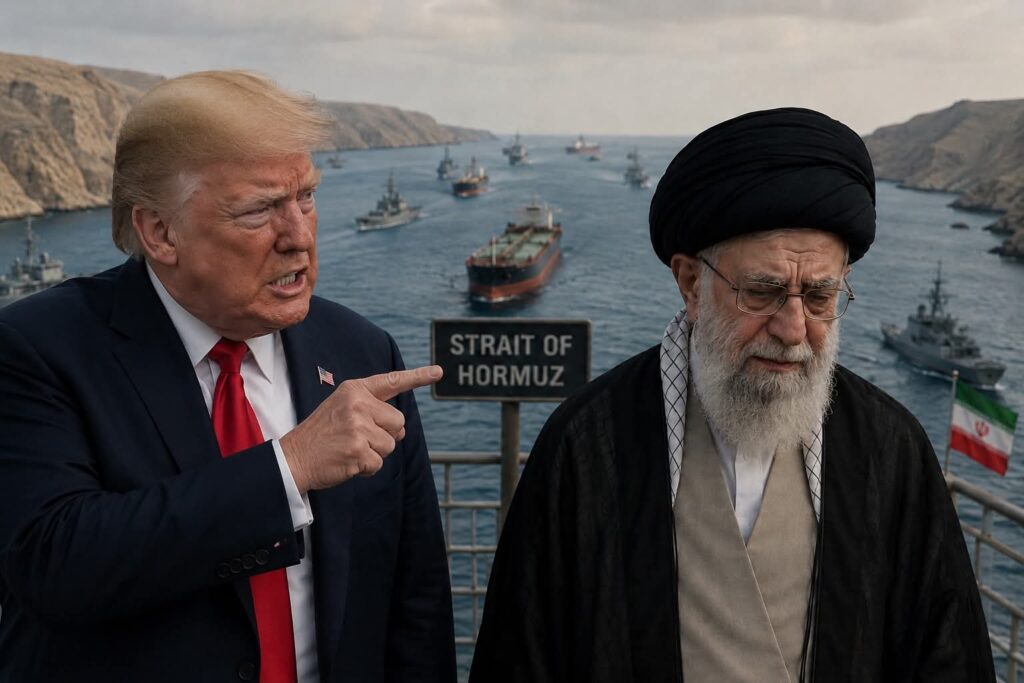
Qeshm Island occupies a strategically important position in the Persian Gulf near the Strait of Hormuz. Its location makes military facilities on the island particularly relevant to the security of shipping routes and military operations in the surrounding waters.
Iranian officials acknowledged that locations on the island had been attacked but said the strikes did not damage residential, commercial or critical infrastructure. The American account, meanwhile, described the target as a missile launch facility.
The U.S. military official did not provide extensive details about the weapons used, the extent of the damage or the precise operational results. Reuters+2
Earlier Iranian Drone Attack Targeted U.S. Radar Installation in Bahrain
The confrontation also follows an attempted Iranian drone attack against a U.S. radar installation in Bahrain earlier Tuesday.
Iran’s Islamic Revolutionary Guard Corps claimed responsibility for an operation involving drones directed at a radar facility associated with American military operations.
U.S. Central Command disputed Iranian claims that the attack successfully damaged American equipment. According to the American military account, the incoming drones were intercepted without damage to U.S. equipment or personnel.
The incident was significant because Bahrain hosts the headquarters of the U.S. Navy’s Fifth Fleet, making it one of Washington’s most important military locations in the Middle East.
The Fifth Fleet oversees American naval operations across a large area that includes the Persian Gulf, the Gulf of Oman, the Red Sea and surrounding waters.
Its presence gives Bahrain a central role in American efforts to protect maritime commerce, monitor regional military activity and maintain security cooperation with Gulf partners.
The renewed attacks against facilities in Bahrain and Kuwait demonstrate how quickly the confrontation can extend across national borders when American military installations become targets.
Bahrain Reports Additional Iranian Aerial Attacks
Bahrain also reported additional aerial attacks on Wednesday as tensions continued to rise.
The country’s military said defensive systems intercepted incoming threats, while authorities issued warnings advising residents to seek shelter and follow official safety instructions.
Bahrain has faced repeated Iranian attacks in recent days, according to regional reporting. The incidents have increased pressure on the government to protect critical infrastructure and maintain public safety while hosting important American military facilities.
The country occupies a strategically important position in the Gulf because of its location and its relationship with the United States.
Any sustained threat to Bahrain could complicate American naval operations and increase the security burden on neighboring Gulf states.
The reported interceptions have not established that the attacks caused significant damage to American facilities. Nevertheless, the frequency of the incidents has raised concerns about the possibility of further escalation.
Kuwait and Saudi Arabia Condemn Iranian Attacks
The latest developments prompted renewed criticism from Gulf governments, which have warned that attacks across the region threaten national sovereignty and regional stability.
Kuwait characterized the attacks as violations of its sovereignty and warned against actions that could further undermine security.
Saudi Arabia also condemned the attacks targeting Kuwait and Bahrain. Other regional governments have expressed concern about the growing confrontation and the risk that additional countries could become involved.
The Gulf Cooperation Council, which brings together six Arab states in the region, has been among the organizations responding to the security situation.
The diplomatic concern extends beyond the immediate military targets. Gulf countries depend on stable trade routes, energy infrastructure and international investment. Continued attacks could affect those interests even if defensive systems prevent major damage to military facilities.
For governments across the region, the challenge is to protect their territory while avoiding developments that could turn a series of military exchanges into a much broader regional conflict.
U.S. Military Confirms No American Service Members Were Injured
The U.S. military said Wednesday that no American service members had been injured in the attempted Iranian attacks reported during the week.
That information provides an important indication of the immediate human impact of the latest incidents, although it does not establish that every targeted facility escaped damage.
The use of air defense systems has been central to the response. American and regional military forces have sought to intercept incoming drones and other aerial threats before they can reach military installations or populated areas.
The attacks also demonstrate the importance of radar networks, early-warning systems and coordination between allied forces.
However, defensive interceptions do not eliminate the danger. Repeated attacks can place pressure on military resources, require the movement of additional personnel and equipment, and increase the possibility of miscalculation.
American forces remain on heightened alert as military officials assess the latest developments.
Donald Trump Faces Decisions as Military Tensions Increase
The latest confrontation comes as President Donald Trump weighs the next steps in the conflict with Iran.
The United States has deployed additional military assets to the region while diplomatic efforts continue. The combination of military pressure and negotiations reflects Washington’s attempt to protect its personnel and strategic interests while seeking an outcome that prevents further escalation.
The administration faces several competing considerations.
First, it must respond to threats against American personnel and installations. Second, it must coordinate with Gulf governments that host U.S. military forces. Third, it must consider the wider consequences of military action for regional stability and international energy markets.
The decision to strike the IRGC missile launch site on Qeshm Island demonstrates that Washington remains prepared to use military force when it says American personnel and assets are threatened.
At the same time, the latest attacks against Kuwait and Bahrain show that military action can be followed by additional Iranian retaliation.
The situation therefore presents a difficult challenge for U.S. policymakers, who must weigh deterrence, force protection and diplomatic opportunities.
Strait of Hormuz Shipping Remains a Major Concern
One of the most important consequences of the escalating confrontation involves the Strait of Hormuz.
The narrow maritime passage connects the Persian Gulf with the Gulf of Oman and the Arabian Sea. It is one of the world’s most important routes for international energy transportation, carrying substantial volumes of crude oil, petroleum products and liquefied natural gas.
Any disruption can have consequences far beyond the Middle East.
Iranian attacks on commercial vessels and continuing threats to maritime traffic have complicated efforts to restore normal shipping conditions. American military operations intended to protect commercial vessels have also become part of the wider confrontation.
The latest military exchanges raise further questions about whether shipping companies, insurers and energy traders can operate with confidence in the region.
When commercial vessels face attacks or threats, shipping operators may delay voyages, change routes or demand higher insurance coverage. Those decisions can increase transportation costs and contribute to volatility in global energy markets.
The Strait of Hormuz is therefore not simply a military concern. It is also an economic and commercial issue affecting countries that depend on reliable energy supplies.
The Associated Press has also reported that a commercial vessel incident in the strait left one crew member missing and 11 injured, illustrating the risks facing maritime traffic during the current confrontation. AP News+1
Iranian Commander Amir Hatami Warns Against Further U.S. Action
Iranian Army Commander-in-Chief Amir Hatami has warned that Tehran is prepared to respond more forcefully to additional American military action.
The warning reflects Iran’s determination to maintain pressure on Washington following the attacks on its military infrastructure.
Iran’s leadership has repeatedly framed its military operations as retaliation for American and Israeli actions. Washington, meanwhile, has described its strikes as defensive measures intended to protect U.S. personnel and regional partners.
These competing accounts have created a cycle in which each side presents its actions as a response to the other.
The danger is that further military exchanges could narrow the space for diplomacy. Even if neither government intends to begin a much larger confrontation, attacks involving military bases, radar installations, missile systems and commercial vessels increase the risk of an unintended escalation.
The latest warning from Tehran suggests that the Iranian military is not ruling out additional action if American forces continue striking Iranian targets.
Qatar Continues Diplomatic Efforts Between Washington and Tehran
Despite the escalating military activity, diplomatic efforts to reduce tensions have not completely stopped.
Qatar has continued working to narrow differences between Washington and Tehran as regional governments seek a negotiated resolution.
The diplomatic challenge is substantial. The United States wants to protect its forces and maintain security across the Gulf, while Iran has demanded an end to American military pressure and continues to present its operations as retaliation.
The Strait of Hormuz, military installations and the broader regional security environment remain central to the dispute.
Negotiations are also complicated by the fact that military operations can change the political calculations of both sides. Each new attack creates additional pressure on leaders to respond, even when diplomatic channels remain open.
Regional governments have an interest in preventing the conflict from expanding because a prolonged confrontation could threaten energy exports, commercial shipping, infrastructure and domestic security.
Qatar’s diplomatic role could therefore become increasingly important if Washington and Tehran seek a way to reduce hostilities without making further military escalation inevitable.
Why the Latest Attacks Matter for Regional Security
The attacks on Kuwait and Bahrain demonstrate that the confrontation is no longer limited to direct exchanges between American and Iranian forces.
Several Gulf countries host American military personnel, aircraft, naval facilities and logistical infrastructure. Their territory can consequently become exposed when Iran targets U.S. assets in the region.
This creates a complicated security environment for governments that maintain relations with Washington while also seeking to avoid direct involvement in a wider war.
The consequences could include:
- Greater military alert levels: American and Gulf forces may increase surveillance, air defense readiness and security around military installations.
- Pressure on regional infrastructure: Airports, ports, energy facilities and transportation networks could face heightened security risks.
- Commercial uncertainty: Shipping companies and energy traders may reconsider operations through the Strait of Hormuz.
- Diplomatic strain: Gulf governments may face pressure to balance security cooperation with efforts to prevent further escalation.
- Risk of wider conflict: Additional attacks and retaliatory strikes could draw more countries into the confrontation.
These risks do not mean that a wider war is inevitable. They do, however, illustrate why governments across the region are urging restraint and continuing to pursue diplomatic options.
What Happens Next?
The immediate focus is on whether Iran will conduct additional attacks against American military installations and whether Washington will respond with further strikes against Iranian military infrastructure.
U.S. forces remain on alert, while Gulf governments continue monitoring threats to their territory and critical facilities.
The next developments could depend on several factors, including the results of the latest defensive operations, the extent of any confirmed damage, the actions of Iranian military commanders and the decisions made by the Trump administration.
Diplomatic efforts led by regional governments will also be important. Qatar and other Gulf partners have an interest in preventing the latest exchange from undermining negotiations or creating further instability.
For now, the reported attacks on Ali Al Salem Air Base and Bahrain demonstrate that the confrontation remains active and that military installations across the Gulf continue to face threats.
Conclusion
Iran’s drone attacks targeting Ali Al Salem Air Base in Kuwait have added another dangerous development to the escalating confrontation with the United States. The attacks came after American fighter jets struck an IRGC missile launch site on Qeshm Island, following an earlier Iranian drone operation against a U.S. radar installation in Bahrain.
Kuwaiti authorities confirmed that their air defense systems were responding to hostile drones, but Iranian claims that American military equipment was successfully struck remained unverified in initial reporting. The U.S. military also reported that no American service members had been injured in the attempted attacks during the week.
The consequences extend beyond the immediate military installations. Bahrain’s security, Kuwait’s sovereignty, regional diplomatic relations and international shipping through the Strait of Hormuz are all affected by the continuing confrontation.
With American forces maintaining heightened readiness and Iran warning of further retaliation, the coming days will be important in determining whether the conflict moves toward renewed diplomatic engagement or another round of military escalation.

Benjamin Harris is a RapidReports front page contributor and editor,proud father of four.