Iran Reportedly Offers to Halt Uranium Enrichment as Trump Seeks Nuclear Commitments
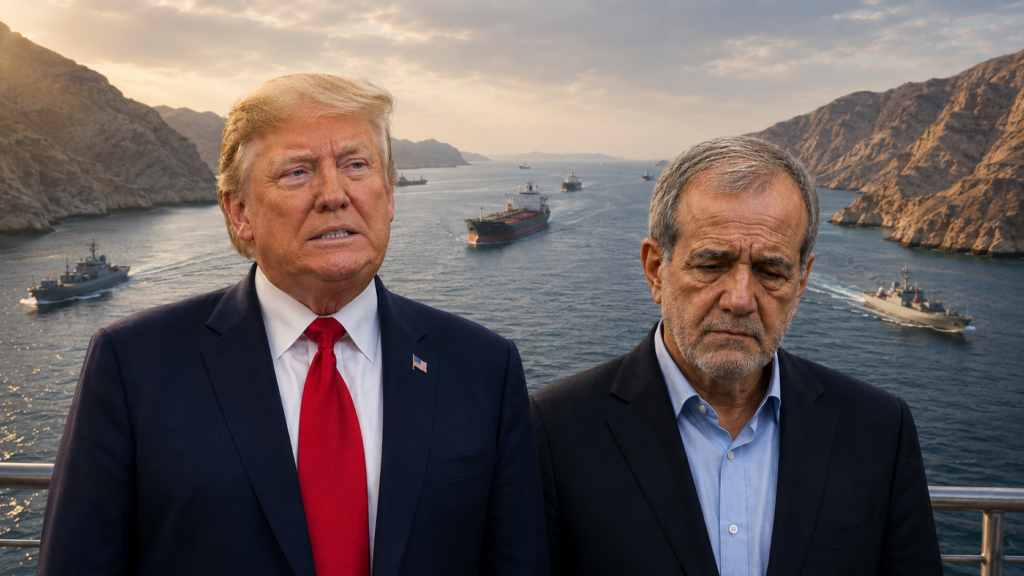
Iran has reportedly offered to suspend uranium enrichment in exchange for relief from U.S. sanctions, according to a report that emerged as Washington and Tehran continued indirect negotiations over a possible agreement.
Saudi broadcaster Al Hadath reported on Sept. 28, citing sources familiar with the discussions, that Tehran had agreed to halt enrichment in return for eased U.S. sanctions. The report was subsequently carried by other outlets, but Iranian officials did not publicly confirm that a final agreement to suspend enrichment had been reached.
The reported proposal came as President Donald Trump signaled that the United States could provide economic relief if Iran takes concrete steps to address Washington’s concerns about its nuclear program.
The diplomatic effort, however, remained unsettled. The two sides continued to disagree over the terms of any potential agreement, including the sequencing of concessions and the relationship between nuclear measures, sanctions relief and the reopening of the Strait of Hormuz.
Trump Seeks Concrete Nuclear Commitments
According to Axios, U.S. officials said Trump was prepared to offer Iran sanctions relief and access to frozen Iranian funds in exchange for concrete steps to curb its nuclear program. The officials also described the indirect discussions as positive and said Iran had demonstrated flexibility on nuclear issues.
The reported offer reflects a central issue in the negotiations: Washington wants verifiable restrictions on Iran’s nuclear activities, while Tehran has sought economic relief and changes to the U.S. pressure campaign.
The details of any potential sanctions relief — including its scope, timing and conditions — remained subject to negotiation.
Qatar and Pakistan Mediate Between Washington and Tehran
Qatar and Pakistan have been involved in efforts to keep the diplomatic channel open.
Qatari mediator Ali al-Thawadi met with Iranian Foreign Minister Abbas Araghchi and his delegation in New York, where they discussed a Qatari proposal intended to bridge the two sides’ positions. The proposal reportedly sought to address both Iran’s demand for relief from the U.S. naval blockade and Washington’s demand for nuclear concessions.
Qatari mediators subsequently carried messages between Tehran and Washington as negotiations continued.
Reuters reported that Iran later received a U.S. response through Qatari mediators concerning a separate seven-day trust-building proposal. The principal disagreement reportedly concerned the sequence in which the two sides would implement their respective commitments.
Pakistan has also participated in diplomatic efforts to facilitate communication between the United States and Iran.
The Seven-Day Proposal and Strait of Hormuz
The reported enrichment offer came alongside another Iranian proposal centered on the Strait of Hormuz.
Iran had proposed a seven-day process under which the strategically important waterway could be reopened and normal maritime traffic restored if Washington took specified steps, including lifting its blockade of Iranian ports, releasing frozen Iranian assets and easing sanctions on Iranian oil sales.
Trump rejected that proposal publicly, although he said additional negotiations could continue. Reuters reported that the proposal subsequently became the basis for further mediated discussions.
The Strait of Hormuz remains a major point of leverage in the negotiations because of its importance to global energy shipments. Disruptions to traffic through the waterway have affected oil and gas markets and contributed to higher energy prices.
Iran’s Enriched Uranium Stockpile Is Another Key Issue
The reported offer to halt enrichment also needs to be viewed alongside discussions over Iran’s existing stockpile of enriched uranium.
Earlier proposals reportedly contemplated moving or otherwise managing Iran’s higher-enriched uranium rather than simply ending future enrichment. A previous U.S.-Iran memorandum had included provisions addressing Iran’s enriched material and contemplated down-blending under International Atomic Energy Agency supervision.
That distinction is significant because an agreement to stop producing additional enriched uranium would not, by itself, resolve questions about material Iran already possesses, the level to which it is enriched or how international inspectors would verify compliance.
Talks Remain Unresolved
Despite signs of diplomatic activity, there was no indication that the reported enrichment proposal had produced a completed nuclear agreement.
Indeed, subsequent developments underscored the uncertainty. The Trump administration continued imposing sanctions on Iranian military-supply networks even as diplomatic contacts were taking place. On Sept. 29, the U.S. Treasury Department announced sanctions against 10 individuals and entities in Iran, Hong Kong and Pakistan over alleged support for Iran’s military supply chain.
Iran also acknowledged receiving an official U.S. response to its latest proposal, but Iranian officials initially did not disclose the contents of that response or whether Washington had rejected it outright.
The conflicting signals illustrate the difficult balance surrounding the negotiations: both sides have continued using intermediaries and discussing possible diplomatic arrangements while maintaining economic and political pressure.
What the Reported Enrichment Offer Means
If confirmed and incorporated into a formal agreement, a suspension of uranium enrichment would represent a significant change in Iran’s negotiating position because enrichment has long been one of the most sensitive issues in U.S.-Iran nuclear diplomacy.
For now, however, the reported offer should be treated as part of ongoing negotiations rather than a completed agreement.
The central questions remain whether Tehran would accept verifiable limits on its nuclear activities, what economic relief Washington would provide in return, how the two sides would sequence their actions, and whether an arrangement could also resolve the dispute surrounding the Strait of Hormuz.
With Qatar and Pakistan continuing to mediate, the diplomatic channel remains active, but major differences over implementation and trust have yet to be resolved.
Benjamin Harris is a RapidReports front page contributor and editor,proud father of four.