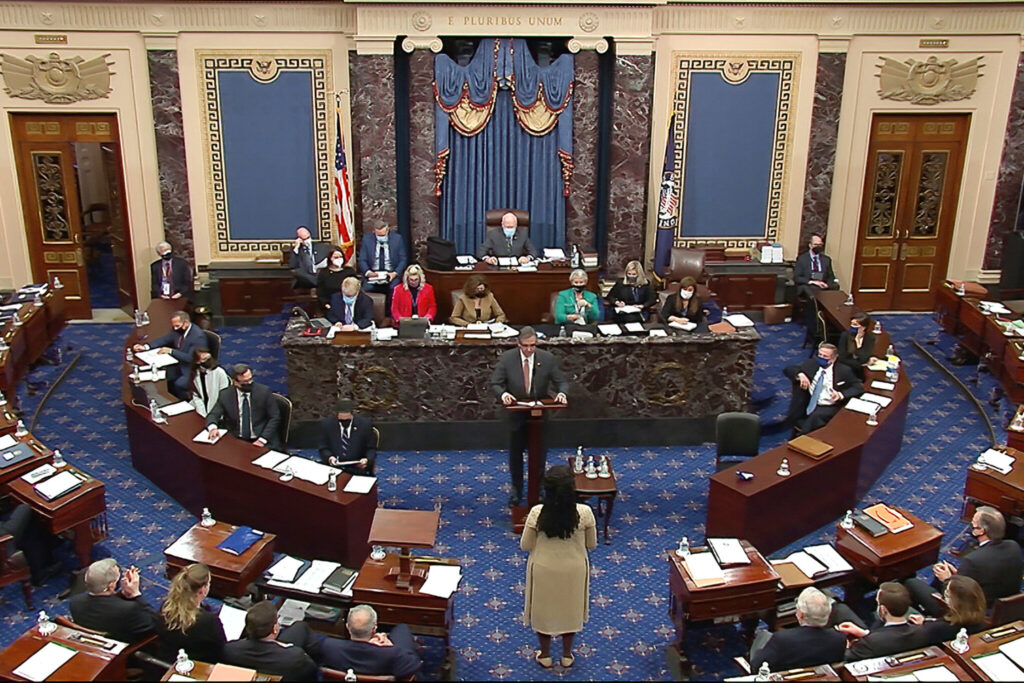
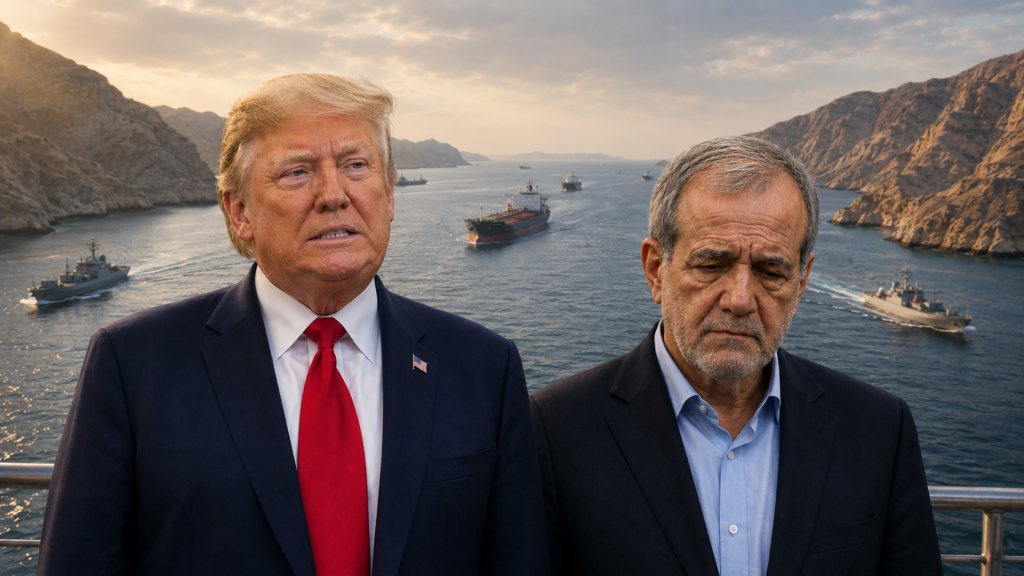
President Donald Trump, Strait of Hormuz / Rapid Reports Image
Oil Markets, Diplomacy, and Escalating Tensions: Iran–U.S. Interim Deal Faces New Pressure as Regional Conflict Intensifies
New developments across the Middle East are putting fresh strain on an interim diplomatic framework involving the United States and Iran, as regional conflict and security concerns continue to ripple through global energy and trade routes.
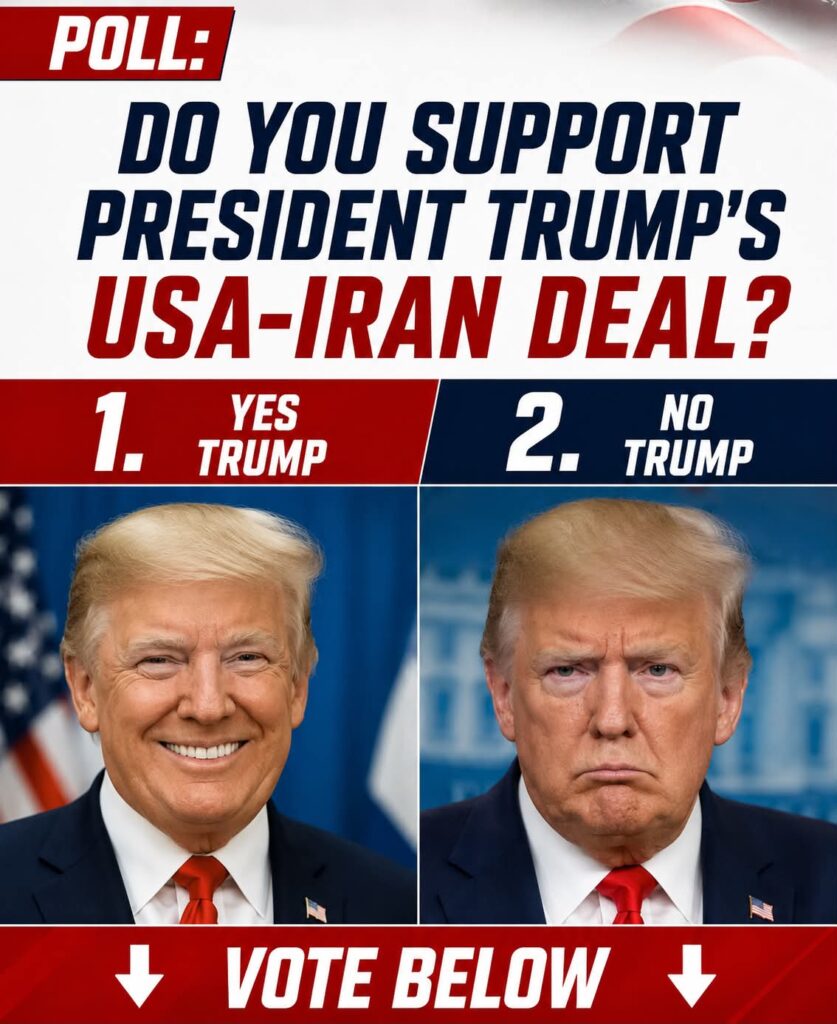
[poll id=”4″]
According to official statements reported from Tehran, Iranian military and government-linked sources said the situation around the Strait of Hormuz has become increasingly volatile amid ongoing military activity involving Israel and Hezbollah in Lebanon. The waterway is one of the world’s most critical energy corridors, through which a significant share of global oil and liquefied natural gas shipments pass.
While Iranian officials described the move as a response to regional hostilities and alleged violations of commitments by other parties, the announcement added uncertainty to already fragile shipping conditions in the Gulf region. Any disruption in the Strait of Hormuz is closely watched by global markets due to its potential impact on oil prices, inflation, and energy supply chains worldwide.
At the same time, Iranian negotiators are expected to travel to Switzerland for diplomatic consultations linked to the interim understanding with the United States. However, officials signaled that progress may be limited unless key conditions are met on the ground, particularly regarding the cessation of fighting in Lebanon.
Iran’s Foreign Ministry emphasized that continued negotiations are tied to broader security developments in the region. The stance highlights a growing linkage between diplomatic progress and battlefield conditions, complicating efforts to stabilize talks involving Washington and regional actors.
Escalation in Lebanon Adds Pressure on Ceasefire Efforts
In Lebanon, reports of renewed strikes in the south have further complicated diplomatic efforts. Local authorities reported casualties and significant infrastructure damage in multiple areas, including Nabatiyeh and surrounding villages, amid ongoing exchanges between Israeli forces and Hezbollah.
The situation follows days of intensified cross-border fire that has already resulted in significant casualties on both sides. Mediators have been working to prevent further escalation, but competing conditions from involved parties have slowed progress toward a durable ceasefire.
Israeli officials have stated that military operations are aimed at preventing further attacks from Hezbollah positions in southern Lebanon. Hezbollah, in turn, has claimed it remains committed to ceasefire terms while accusing Israel of continuing military actions in violation of understandings.
Broader Regional Stakes for U.S. Diplomacy
The conflict in Lebanon is emerging as a key pressure point for broader U.S.-backed diplomatic efforts involving Iran. The interim agreement, which was intended to open space for further negotiations on security and nuclear-related issues, is now facing delays as regional hostilities continue.
Analysts note that the interconnected nature of the crises — from Lebanon’s border conflict to energy-route security in the Gulf — is creating a more complex environment for U.S. diplomacy. Any prolonged instability could affect not only regional security but also global energy prices and international shipping confidence.
Talks scheduled to take place in Switzerland are expected to focus on implementation mechanisms for the interim understanding. However, officials on multiple sides have indicated that the timing and outcomes remain uncertain.
Market Watch: Energy Security and Global Impact
With the Strait of Hormuz remaining a focal point of geopolitical risk, traders and policymakers are closely monitoring developments that could affect oil supply stability. Even limited disruptions in the region have historically led to volatility in global crude markets.
As diplomatic and military dynamics continue to evolve, the coming days are likely to be critical in determining whether negotiations can proceed or whether regional escalation will further delay progress.
For now, both diplomatic channels and security conditions remain in flux — leaving global markets, policymakers, and regional actors watching closely for the next development.

Benjamin Harris is a RapidReports front page contributor and editor,proud father of four.