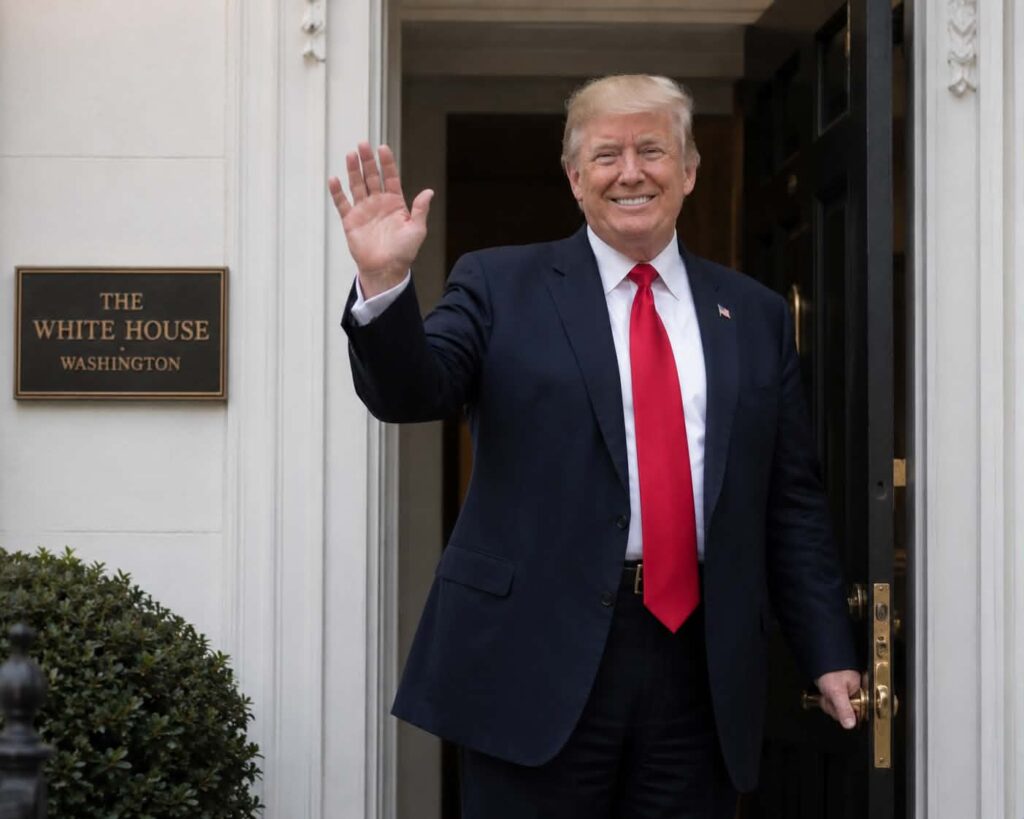
Donald Trump,White House D.C. / Rapid Reports Image
President Donald Trump is pointing to new polling that suggests a majority of likely voters support his administration’s preliminary agreement with Iran, even as other surveys show continued public debate over its long-term impact on U.S. national security and global stability.
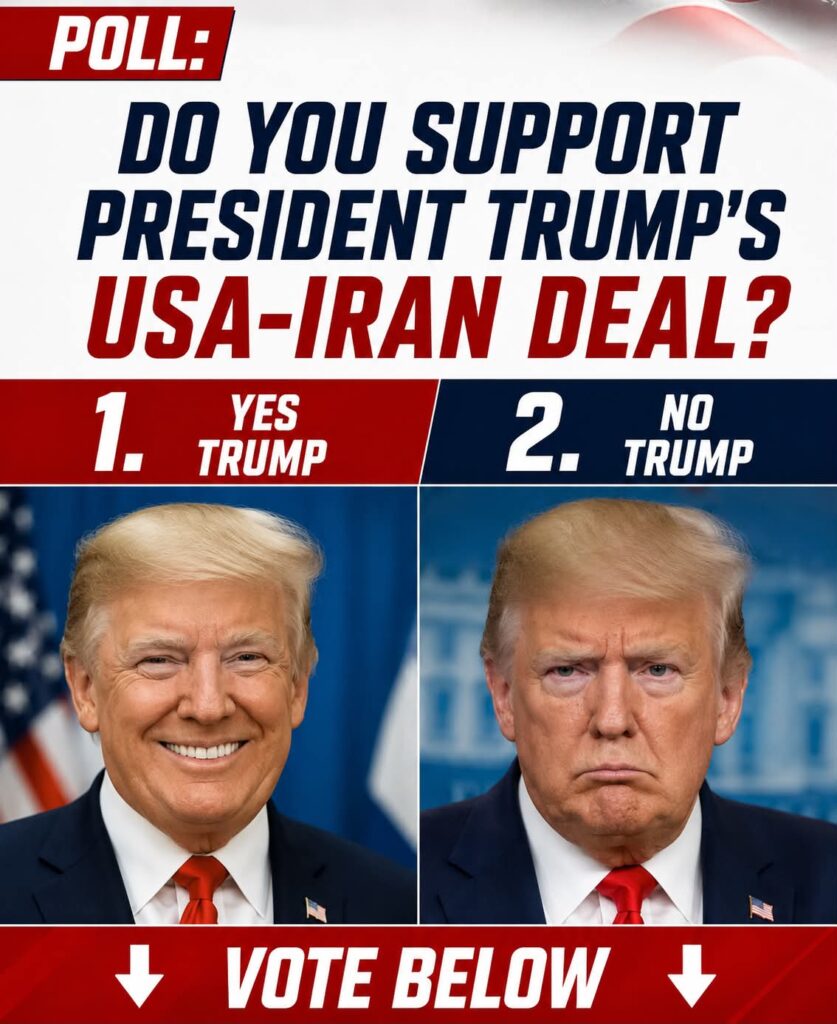
[poll id=”4″]
Trump shared results from a Quantus Insights survey on Truth Social, highlighting what he described as strong early approval for the diplomatic framework.
“Very popular agreement, except for the Fake News and their partner, the Dumocrats!” Trump wrote.
According to the Quantus Insights poll, 56% of likely voters said they approve of the agreement between the United States and Iran. The survey reported 43% strongly approve and 13% somewhat approve, while 13% said they disapprove. An additional 16% said they neither approve nor disapprove, and 15% were unsure.
The poll was conducted among 1,000 likely voters on June 16–17, offering an early snapshot of public reaction to a deal that includes an end to hostilities between Washington and Tehran, the reopening of shipping through the Strait of Hormuz, and a 60-day negotiation period focused on Iran’s nuclear program and sanctions relief.
Mixed National Sentiment on Long-Term Outcomes
While the Quantus survey reflects early support for de-escalation, other polling indicates that Americans remain divided on whether the agreement will deliver lasting strategic benefits.
A recent YouGov survey found that 52% of U.S. adults believe the country would be either worse off or see no meaningful change if the agreement is fully implemented. The findings suggest that while many voters support reducing immediate tensions, uncertainty remains about enforcement and long-term outcomes.
The same survey also indicated that some Americans believe Iran could maintain or improve its position under the agreement, underscoring the complexity of public opinion on foreign policy decisions involving the Middle East.
Political and Congressional Reaction
On Capitol Hill, reactions have reflected a mix of cautious optimism and continued scrutiny.
Sen. John Kennedy initially expressed skepticism about the agreement’s durability but later said the U.S. should allow diplomacy to continue, stating, “I think we ought to give peace a chance.”
Meanwhile, Sen. Lindsey Graham, a prominent Republican voice on foreign policy, offered support for the diplomatic effort while emphasizing concerns about Iran’s long-term capabilities and regional behavior. He credited the administration’s approach with weakening Iran’s operational capacity and encouraged continued diplomatic engagement alongside clear deterrence.
Broader Public Opinion Remains Divided
An additional AP-NORC survey found that many Americans remain cautious about recent developments involving Iran and are still assessing whether the administration’s broader strategy will lead to sustained stability.
Independent voters, in particular, appear split. According to YouGov data, fewer than one-quarter of independents believe the agreement will make the United States better off, while larger shares expect little change or potential downside risk.
Economic and Energy Market Implications
Supporters of the agreement point to the reopening of shipping routes through the Strait of Hormuz as a potentially significant development for global energy markets. Greater stability in the region could help ease supply chain pressures and contribute to more predictable energy prices if conditions hold.
Analysts note that energy security remains a central factor in public evaluation of foreign policy outcomes, particularly as voters continue to weigh inflation, fuel costs, and global economic uncertainty.
Critics, however, continue to raise questions about verification mechanisms and Iran’s compliance with future commitments, highlighting ongoing debate over how durable the agreement will prove in practice.

Benjamin Harris is a RapidReports front page contributor and editor,proud father of four.