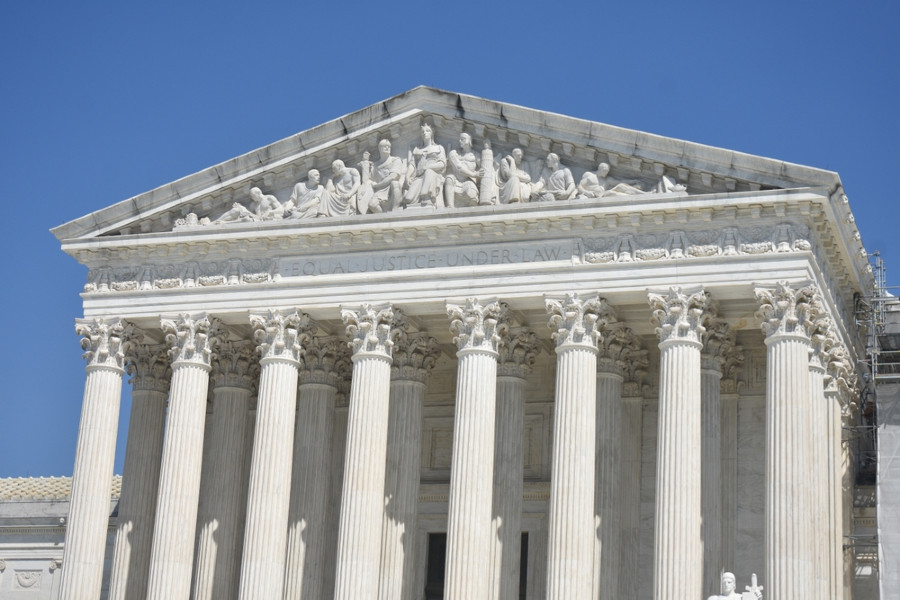
The Supreme Court of the United States issued a unanimous decision Wednesday in an immigration case involving the Trump administration, ruling that federal appeals courts must defer to immigration judges and the Board of Immigration Appeals when evaluating whether an asylum applicant’s mistreatment meets the legal definition of persecution. Justice Ketanji Brown Jackson wrote the 9-0 opinion.
The case centered on how courts should review asylum claims under the Immigration and Nationality Act, which allows protections for individuals who demonstrate a well-founded fear of persecution in their home country. While asylum seekers can appeal denials, the Court considered whether determinations about persecution are factual findings that must be reviewed under a deferential “substantial evidence” standard. The justices concluded that federal courts must apply that standard when reviewing the agency’s conclusions.
The dispute involved Douglas Humberto Urias-Orellana and his family, who fled El Salvador in 2021, citing threats against relatives. An immigration judge denied their asylum request, noting in part that the family had relocated within the country. The Board of Immigration Appeals upheld the decision, and the United States Court of Appeals for the First Circuit declined to overturn it, citing the need to defer to the agency’s findings if supported by substantial evidence.
The ruling reinforces the standard that limits federal courts from reinterpreting factual determinations made by immigration authorities, provided those decisions are supported by reasonable and probative evidence. The decision comes as President Donald Trump has advocated for changes aimed at tightening asylum policies and streamlining immigration proceedings.
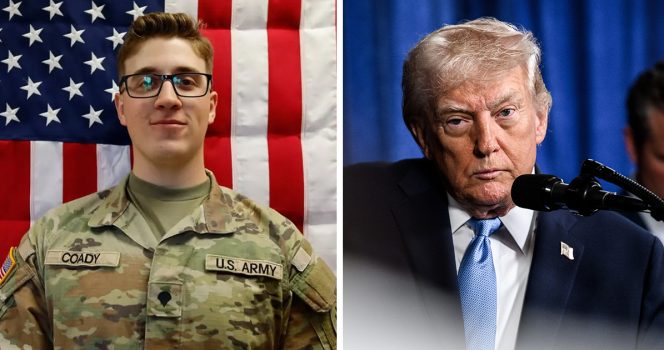
Just days before a deadly drone strike in the Middle East, 20-year-old Declan Coady shared encouraging news with his father about his military progress. On March 1, Coady was among six U.S. service members killed in an attack during a military operation known as Operation Epic Fury. The U.S. Department of Defense has publicly identified four of the fallen: Cody Khork, 35, of Florida; Noah Tietjens, 42, of Nebraska; Nicole Amor, 39, of Minnesota; and Coady, 20, of Iowa.
All four served in the Army Reserve’s 103rd Sustainment Command, headquartered in Des Moines, Iowa, where their duties focused on logistics and operational support. Military leaders honored their service following confirmation of their deaths. Lt. Gen. Robert Harter, chief of the Army Reserve, and Maj. Gen. Todd Erskine of the 79th Theater Sustainment Command recognized the dedication of the service members and expressed condolences to their families.
President Donald Trump also addressed the attack in media remarks, acknowledging the loss of life and discussing the broader regional conflict. He expressed sympathy for the families and commented on the ongoing military situation. Officials have indicated that tensions in the region remain high, and investigations into the incident are ongoing.
Coady, a West Des Moines native, enlisted in the Army Reserve in 2023 as an information technology specialist. According to family members, he was pursuing online studies at Drake University while deployed and had recently been recommended for promotion. He was posthumously promoted to sergeant. His family described him as dedicated to both his military service and his long-term goal of becoming a commissioned officer. Community members have organized support efforts for the families affected by the tragedy.
Former Vice President Mike Pence publicly criticized President Donald Trump over trade policy, urging the Supreme Court of the United States to invalidate certain tariffs enacted during Trump’s administration. Pence argued that the tariffs are unlawful and have negatively affected the U.S. economy, calling on the Court to step in as related legal challenges move forward.
In his remarks, Pence said the tariffs have contributed to higher costs for American consumers and businesses, linking the policy to broader concerns about inflation. He framed his position around economic impact, suggesting that trade measures intended to protect domestic industries may also create financial strain for households and employers.
Pence also addressed the political implications of current economic conditions, warning that sustained price increases and uncertainty could influence voter sentiment. He congratulated Democratic candidates on recent wins in areas that have traditionally leaned Republican, suggesting that economic concerns may be shaping electoral outcomes.
The comments highlight ongoing debates within the Republican Party over trade policy and economic strategy. Pence’s statements reflect differing views among party leaders about tariffs, inflation, and the broader direction of conservative economic policy.
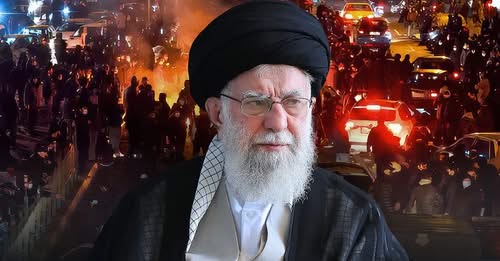
Reports from the London-based outlet Iran International state that Mojtaba Khamenei, the son of Iran’s Supreme Leader Ali Khamenei, has reportedly been selected to succeed his father following his death. According to the report, Iran’s Assembly of Experts — the body responsible for appointing and overseeing the supreme leader — made the decision in closed-door deliberations. The claim has not been confirmed by Iran’s state media or official government sources.
In the days following reports of Ali Khamenei’s death, speculation circulated about potential successors and the status of senior Iranian officials. Some early reports suggested Mojtaba Khamenei may also have been killed, though those accounts were later described as unverified. Iranian authorities have not publicly addressed many of the claims surrounding leadership succession.
If confirmed, Mojtaba Khamenei’s appointment would continue leadership within the same family during a period of heightened regional tensions. The selection process for Iran’s supreme leader is typically conducted privately, and official announcements can take time to emerge. Analysts note that any transition at the top of Iran’s political system could have significant domestic and international implications.
The reports surfaced shortly after the Israel Defense Forces said it had conducted operations targeting Iranian military infrastructure. At a press briefing, IDF Chief Spokesman Brig.-Gen. Effie Defrin stated that Israeli forces had struck a facility identified as Min Zadai on the outskirts of Tehran, which he said was linked to weapons development. Iranian officials have not publicly confirmed those specific claims.
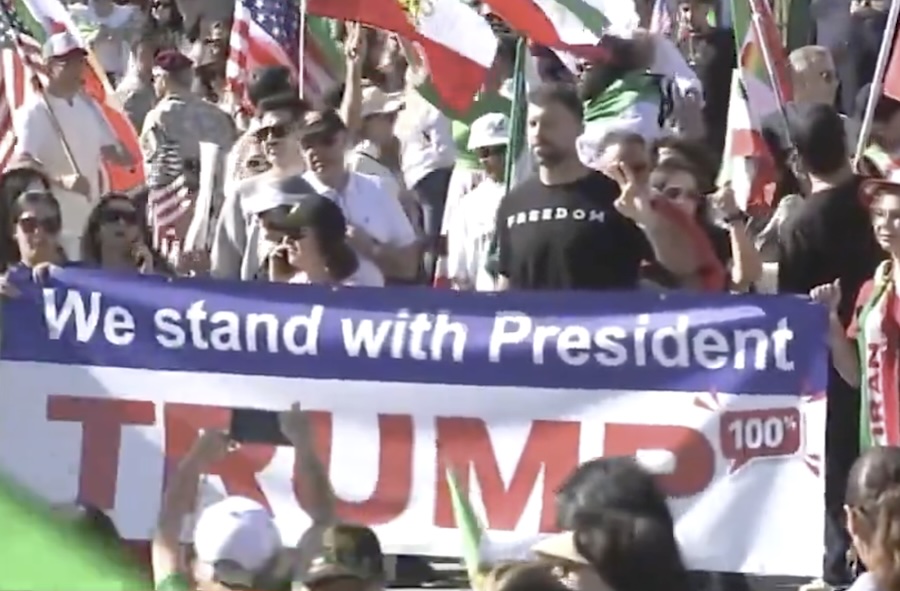
A recent gathering in Southern California highlighted growing discussion within parts of the Iranian American community following major developments in the Middle East and renewed tensions involving Iran, Israel, and the United States.
According to local television coverage, some Iranian Americans publicly expressed support for President Donald Trump after recent military actions targeting Iranian government and military infrastructure. The event drew attention because it took place in one of the largest Iranian American communities in the United States.
Rally Draws Hundreds in Los Angeles Area
According to reports from ABC7 Los Angeles, a large crowd gathered outside a federal building in the Westwood area of Los Angeles over the weekend.
Attendees waved American flags, Israeli flags, and pre-1979 Iranian flags, symbols often associated with opposition to the current Iranian government. Some participants told reporters they had not previously supported Trump politically but approved of his recent actions regarding Iran.
Reporter Tim Pulliam described the atmosphere as energetic, with many attendees expressing hope for political change inside Iran.
Iranian American Community Watches Events Closely
Southern California is home to one of the largest Iranian American populations outside of Iran. Many families settled in the region after leaving the country following the Iranian Revolution.
As developments continue overseas, many members of the community are closely following events and expressing a variety of opinions regarding U.S. foreign policy, regional security, and the future of Iran.
The rally demonstrated that views within the Iranian American community are diverse and often shaped by personal experiences, family histories, and concerns about political conditions in Iran.
Rising Tensions Across the Middle East
The demonstration comes amid heightened tensions throughout the Middle East.
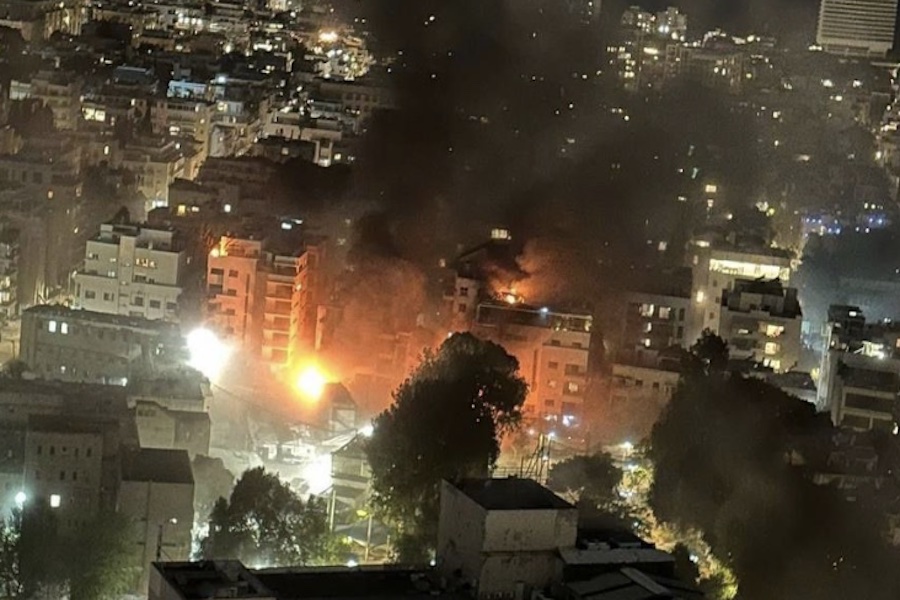
Recent military operations involving U.S. and Israeli forces have targeted Iranian military and strategic facilities. Iranian officials have reported significant damage resulting from the strikes, while Iran has responded with missile and drone attacks directed at Israeli targets and U.S. positions in the region.
Regional security experts continue monitoring the situation as governments seek to prevent a wider conflict while addressing ongoing security concerns.
Political Implications in the United States
The events have also generated political discussion within the United States, where foreign policy and national security remain important issues for many voters.
Analysts note that developments overseas can influence public perceptions of presidential leadership, military strategy, and international diplomacy.
Recent polling has also highlighted continued voter focus on economic conditions, national security, and global stability as political parties prepare for upcoming elections.
Why This Story Matters
The reaction from some Iranian Americans underscores how international events can resonate deeply within immigrant communities that maintain strong personal and cultural ties to their countries of origin.
The situation also illustrates the complex relationship between foreign policy decisions and domestic political conversations, particularly when international developments affect communities across the United States.
As events continue to unfold, reactions from voters, policymakers, and affected communities will remain an important part of the broader discussion.
Opinion: Supporters View Trump’s Approach as a Show of Strength
From a pro-Trump perspective, supporters argue that recent events demonstrate a foreign policy approach focused on deterrence, national security, and projecting American strength abroad.
Many conservatives believe that taking a firm stance against hostile regimes can help protect U.S. interests, support allies, and discourage further aggression in unstable regions. They point to positive reactions from some Iranian Americans as evidence that opposition to Iran’s ruling government extends beyond traditional political divides.
Supporters also argue that strong leadership on international issues can reassure allies while sending a clear message to adversaries. While opinions remain divided, many Trump backers view the response from portions of the Iranian American community as a notable development in the broader debate over U.S. foreign policy and Middle East strategy.
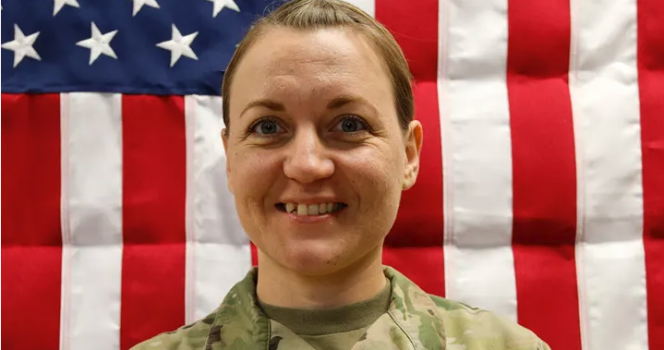
Heartfelt details have emerged about the final hours of Nicole Amor, one of six American service members killed in a reported drone strike in Kuwait. Amor, 39, was assigned to the Army Reserve’s 103rd Sustainment Command and was based at Port Shuaiba at the time of the incident. According to her family, she had been looking forward to returning home to White Bear Lake, Minnesota, and had spoken with her husband only hours before the strike.
Her husband, Joey Amor, said the couple exchanged text messages the night before and that he did not hear back from her the following morning. Family members shared that she had recently been moved from the main base to another location as part of precautionary security measures. Officials have not released extensive details about the circumstances of the attack, and an investigation is ongoing.
Amor joined the National Guard in 2005 as an automated logistics specialist before transferring to the Army Reserve in 2006. She previously served overseas in Kuwait and Iraq. In her military role, she supported logistics operations to help ensure deployed troops had necessary supplies and equipment. At home, her family remembers her as a devoted mother who enjoyed gardening, cooking, rollerblading, and spending time with her children.
Others who died in the incident include Cody Khork, Noah Tietjens and Declan Coady. The U.S. Department of Defense has not yet released the names of the remaining two service members. Officials have expressed condolences to the families as the military continues to review the events surrounding the strike.
The U.S. Supreme Court ruled Monday to block an effort to redraw New York’s 11th Congressional District, delivering a legal victory to Rep. Nicole Malliotakis. The decision pauses a January order from a New York state judge that would have required the state’s redistricting commission to revise the Staten Island-based district ahead of upcoming elections. Malliotakis had argued that the proposed changes were unconstitutional and would disrupt the electoral process.
The state court order was issued by Justice Jeffrey Pearlman, an appointee of Gov. Kathy Hochul, who determined that the existing map diluted the voting strength of Black and Latino residents and directed that new lines be drawn. In a written opinion, Justice Samuel Alito said the mandated redraw “blatantly discriminates on the basis of race.” The court’s liberal justices dissented, with Justice Sonia Sotomayor arguing that federal courts should generally avoid intervening in state election laws close to an election.
New York’s 11th District, which includes all of Staten Island and parts of southern Brooklyn, is currently the only Republican-held congressional seat in New York City. Democrats had viewed the district as a potential pickup opportunity if boundaries were adjusted. The Cook Political Report rates the seat as “Solid Republican,” and former President Donald Trump carried the district by a wide margin in the most recent presidential election. Malliotakis, first elected to Congress in 2020 after serving in the state Assembly, does not currently face a Republican primary challenger.
The ruling also has broader political implications. House Minority Leader Hakeem Jeffries has said Democrats would respond to Republican-led redistricting efforts in other states with similar actions where possible. Meanwhile, New York Democrats have faced past legal challenges over congressional maps, including a 2022 decision that rejected a Hochul-backed plan as an impermissible partisan gerrymander. The Supreme Court’s latest order keeps the current district boundaries in place while the legal dispute continues
Former Iranian President Mahmoud Ahmadinejad is reportedly alive following an alleged assassination attempt, according to sources cited Tuesday by Iran International. The report comes after widespread rumors over the weekend claimed he had been killed.
The outlet stated that Ahmadinejad was not injured and had been moved to a secure location amid heightened speculation and uncertainty within Iran’s political circles.
Conflicting reports about his status circulated during a period of regional tension, particularly following recent military strikes involving Israel and Iran. Some Iranian media outlets reported that Ahmadinejad had died, while others said they could not independently verify the claims. By Tuesday, reports indicated that he had survived.
The rapid spread of unconfirmed information highlights the challenges of reporting during times of political and military strain. In environments where official statements are limited or inconsistent, speculation can quickly gain traction.
Ahmadinejad remains a well-known figure in Iranian politics. During his presidency from 2005 to 2013, he was recognized internationally for his strong rhetoric regarding the United States and Israel, as well as for his administration’s approach to Iran’s foreign and nuclear policies.
Iran International did not provide details about who may have been responsible for the reported attempt or when it allegedly occurred. It also did not specify whether the threat was linked to foreign actors, domestic political tensions, or broader security concerns.
The report noted that Ahmadinejad was moved to a secure location as a precaution. Such measures are not uncommon during periods of elevated security concerns involving high-profile political figures.
Iran continues to face internal and external pressures, and information surrounding senior political figures can become a focal point during uncertain times. For now, according to the latest available reporting, Ahmadinejad is alive.
As with many developing situations, further clarification may depend on additional official statements or independent verification.
Ongoing U.S. military strikes against Iran are raising concerns among analysts about possible ripple effects across the Middle East. Security experts say Tehran could respond indirectly through allied groups operating in the region, potentially increasing risks for U.S. personnel, partner nations, and key infrastructure.
Groups frequently cited in such assessments include Hezbollah in Lebanon and Houthis in Yemen, along with certain militia factions in Iraq. Analysts note that these organizations have previously demonstrated the ability to launch rockets, drones, or other attacks targeting military and commercial sites. Some experts believe Hezbollah’s missile capabilities, in particular, remain a significant factor in regional security calculations.
Former intelligence and counterterrorism officials have also pointed to the Houthis as a potential concern, especially regarding maritime routes and energy infrastructure. The group has previously been linked to attacks on commercial shipping lanes in the Red Sea, raising fears of broader economic disruption if hostilities intensify.
The latest escalation follows reported breakdowns in diplomatic discussions between Washington and Tehran over Iran’s nuclear program. U.S. officials have said their objectives include limiting Iran’s uranium enrichment activities, curbing missile development, and addressing Tehran’s support for armed groups designated as terrorist organizations by the United States. Iranian officials have maintained that their nuclear activities are for peaceful purposes.
Regional governments, including Saudi Arabia, Qatar, the United Arab Emirates, Bahrain, Jordan, and Kuwait, are closely monitoring developments, particularly as several host U.S. military assets. Security analysts caution that any sustained escalation could increase instability across the Gulf and surrounding areas, underscoring the high stakes of the current situation.
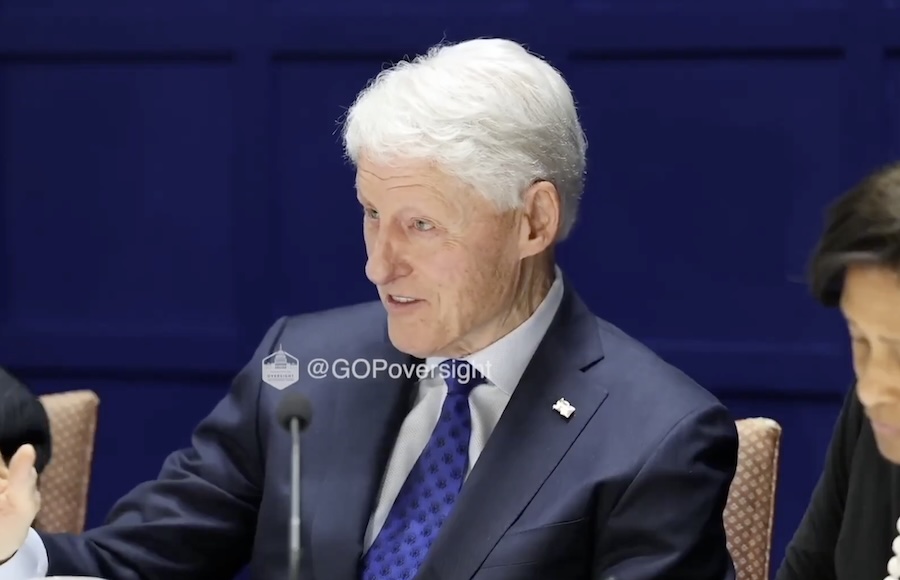
Political fallout continued this week following a closed-door deposition related to the late financier Jeffrey Epstein. Former President Bill Clinton testified before the House Oversight Committee and addressed questions about past interactions involving prominent public figures.
During the sworn session, Clinton stated that former President Donald Trump had never said or done anything in his presence that led him to believe Trump was involved in wrongdoing related to Epstein. Clinton emphasized that his comments were based on his personal knowledge and conversations dating back to the early 2000s.
The deposition was led by Committee Chairman James Comer and took place in New York. Lawmakers described the testimony as part of a broader effort to clarify details surrounding Epstein’s associations and determine whether any institutional failures allowed misconduct to continue unchecked.
Both Clinton and Trump have previously acknowledged having social interactions with Epstein decades ago, and both have publicly denied any involvement in illegal activity. Epstein died in federal custody in 2019 while awaiting trial on federal charges, and his death has continued to generate public interest and calls for transparency.
Members of Congress from both parties say the investigation is focused on gathering facts and sworn testimony. As the committee continues its work, the deposition is likely to remain part of the ongoing political discussion surrounding Epstein’s past connections and the broader questions raised by the case.
Leave a Reply