Blog

  • NEW: Dem AG’s Police Liaison Resigns Over Anti-ICE Rhetoric

    NEW: Dem AG’s Police Liaison Resigns Over Anti-ICE Rhetoric

    A senior staff member in the office of Arizona Attorney General Kris Mayes resigned following public backlash over comments Mayes made regarding potential interactions between residents and federal immigration enforcement officers. The controversy stemmed from remarks made during a televised interview in which Mayes discussed Arizona’s gun laws and how they intersect with immigration enforcement operations.

    Speaking on 12News with host Brahm Resnik, Mayes addressed concerns about encounters between Immigration and Customs Enforcement (ICE) agents and Arizona residents. While urging people to remain peaceful and respectful toward law enforcement, she also referenced Arizona’s “stand your ground” law and the state’s strong gun culture, noting that these factors could create dangerous misunderstandings if federal agents are not clearly identifiable.

    Mayes emphasized that individuals are not legally permitted to use force against police officers, but she expressed concern that masked or plainclothes federal agents could be difficult for residents to recognize. She said the combination of broad self-defense laws and a high rate of gun ownership could pose risks if people mistakenly believe they are being threatened by unidentified individuals.

    Republican lawmakers in Arizona sharply criticized the remarks, accusing Mayes of mischaracterizing state law and potentially endangering public safety. Senate Republicans passed a resolution condemning the comments, arguing they could lead to confusion during law enforcement encounters. Senate Majority Leader John Kavanagh said the attorney general’s statements could have serious real-world consequences for both officers and civilians.

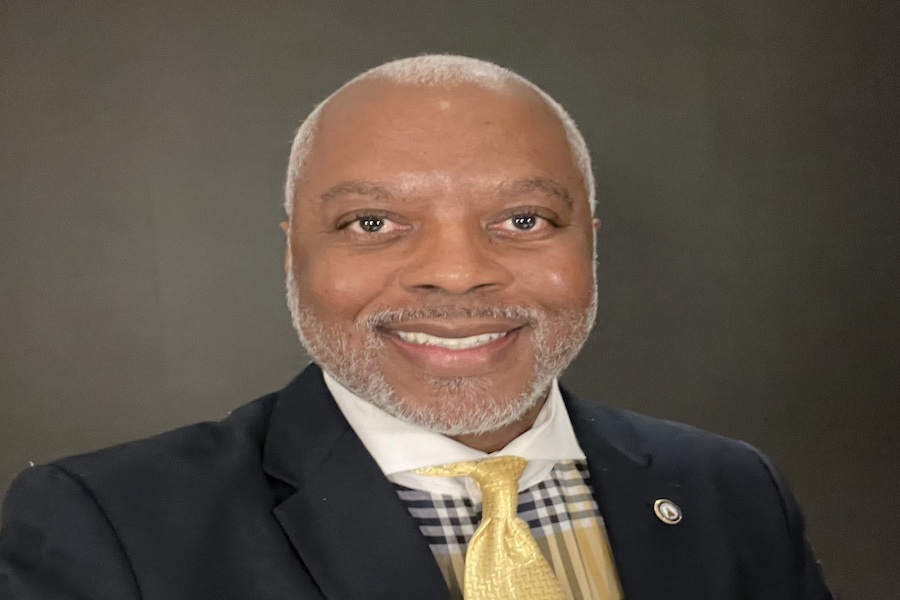
    Following the controversy, David Harvey, the attorney general’s law enforcement liaison, submitted his resignation. Law enforcement organizations, including the Arizona Police Association, also criticized the remarks, calling them inflammatory. Mayes has not retracted her comments, but the incident has intensified debate over immigration enforcement, public safety, and the responsibilities of public officials when discussing sensitive legal issues.
  • High-Powered Democrat Whose Epstein Ties Just Got Exposed Resigns from Huge Positions in Disgrace, Steps Back from the Public Eye

    High-Powered Democrat Whose Epstein Ties Just Got Exposed Resigns from Huge Positions in Disgrace, Steps Back from the Public Eye

    Former Harvard University President Larry Summers has taken a leave of absence from his role as director of the Mossavar-Rahmani Center for Business and Government and will not teach next semester, following the release of emails showing he maintained contact with Jeffrey Epstein until 2019. The emails were made public by the House Oversight Committee, prompting renewed scrutiny of Summers’ past associations.

    According to reports, Summers informed students that he feels regret over the communications and is stepping back from public-facing activities. While he plans to complete his current teaching responsibilities, remaining class sessions will be covered by other faculty members. Harvard has said it is reviewing the matter internally.

    In addition to his leave from Harvard, Summers has resigned from several prominent boards and advisory roles, including positions at OpenAI, the Peterson Institute for International Economics, the Center for Global Development, and The Hamilton Project. He has also ended his contributing roles with major media outlets. A spokesperson said Summers believed stepping aside was in the best interest of the institutions involved while reviews are conducted.

    In a recorded message shared with students, Summers said he felt shame over his continued communication with Epstein and explained that his decision was intended to allow him to focus on personal reflection while meeting existing obligations. In a separate written statement, Summers said he takes responsibility for his actions and is stepping back from public commitments as part of an effort to rebuild trust.

    The emails released by the committee included personal and professional exchanges that have drawn criticism and raised broader questions about judgment and boundaries among public figures. Summers has not been accused of criminal conduct, and he has said he regrets maintaining the correspondence. The situation has renewed debate over accountability and transparency for leaders in academic and policy institutions.

  • President Trump Admin Exposes Shocking Minnesota-Style Fraud Scheme In New State

    President Trump Admin Exposes Shocking Minnesota-Style Fraud Scheme In New State

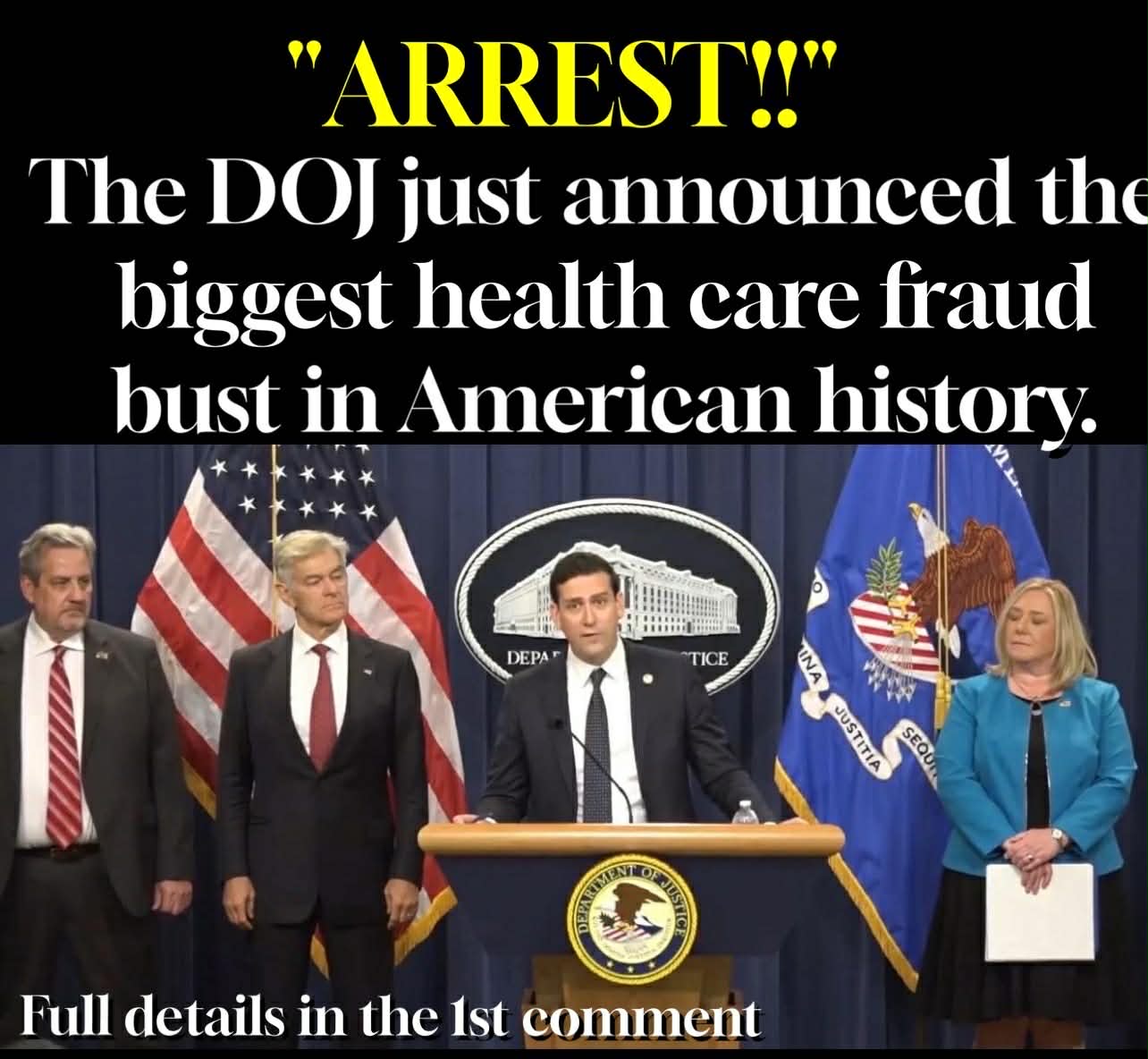
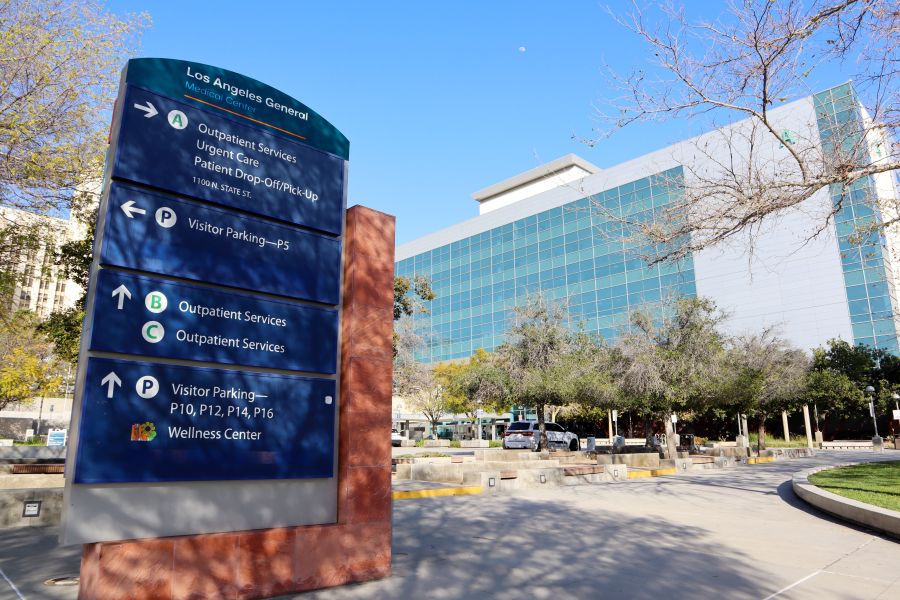
    State and federal investigators say hospice fraud in Los Angeles County has grown into a widespread problem, with billions of dollars in public funds allegedly lost to false billing, unnecessary services, and patients who receive little or no care. Auditors and prosecutors describe a system in which fraudulent providers exploit regulatory gaps to enroll individuals who may not qualify for hospice services.

    Federal officials have raised alarms about the rapid growth of hospice providers in the region. Dr. Mehmet Oz, administrator of the Centers for Medicare and Medicaid Services, said hospice operations in Los Angeles have expanded dramatically in recent years, accounting for a large share of suspected fraud nationwide. California Attorney General Rob Bonta has similarly warned that hospice fraud has reached crisis levels in the greater Los Angeles area.

    Investigators allege that some providers submit false claims, pay recruiters to enroll seniors regardless of medical eligibility, and bill Medicare for patients who are unaware they have been placed in hospice care. Whistleblowers have said the licensing process allows individuals to establish hospice agencies with minimal oversight, contributing to the rapid proliferation of providers.

    Authorities say fraudulent schemes often rely on recruiters who target seniors in public places and offer incentives in exchange for Medicare information. That information is then allegedly sold to hospice operators, who bill Medicare daily rates and, in some cases, inflate charges through improper coding practices. While hospice care is intended for patients with a life expectancy of six months or less, records show some providers billing for significantly longer periods.

    Los Angeles County currently has nearly 2,000 licensed hospice agencies, far more than most states, with some densely concentrated in small geographic areas. California has imposed a moratorium on new hospice licenses, but regulators say hundreds of questionable providers remain active. Advocates warn that fraudulent practices ultimately harm vulnerable seniors by diverting resources away from legitimate care, underscoring the need for stronger oversight and enforcement

  • JUST IN / Massive $120 Million Healthcare Fraud Scandal Uncovered in Los Angeles

    JUST IN / Massive $120 Million Healthcare Fraud Scandal Uncovered in Los Angeles

    Los Angeles County has become the focus of a major investigation into alleged healthcare and hospice fraud, as whistleblowers and government officials raise concerns about widespread misuse of public funds. Authorities say questionable billing practices may be costing taxpayers billions of dollars, prompting renewed scrutiny of oversight and licensing systems.

    Investigators report that despite accounting for a relatively small share of the U.S. population, Los Angeles County generates approximately 18 percent of the nation’s home health care billing. In one case cited by investigators, a single physician allegedly billed the federal government about $120 million in one year while claiming to oversee nearly 1,900 patients, a figure officials say raises serious questions about feasibility and compliance.

    Further analysis revealed an unusually high concentration of hospice providers in limited geographic areas. Officials identified nearly 300 hospice agencies registered within a two-mile radius in parts of Los Angeles County. Many of these businesses were reportedly linked to addresses such as strip malls, vacant properties, or locations without visible medical operations.

    Overall, Los Angeles County is reported to have close to 2,000 licensed hospice agencies, a number that exceeds the total count in more than half of U.S. states combined. Comparisons cited by investigators indicate that the county has significantly more hospice providers than large states such as Florida or New York, prompting concerns about whether all licensed agencies are providing legitimate care.

    Critics and whistleblowers allege that some entities function primarily as administrative operations rather than healthcare providers, billing for services that may not be delivered. Federal and state authorities have indicated they are increasing oversight and enforcement efforts to address potential fraud, strengthen licensing requirements, and protect patients and public funds as investigations continue.

  • NEW: Democrat Lawmaker Indicted For Alleged COVID-19 Assistance Fraud

    NEW: Democrat Lawmaker Indicted For Alleged COVID-19 Assistance Fraud

    Georgia State Rep. Dexter Sharper has been charged with making false statements to obtain emergency pandemic unemployment assistance, according to federal prosecutors. The charges make Sharper the third Democratic lawmaker in Georgia to face indictment related to alleged misuse of COVID-19 relief programs.

    Sharper, who represents parts of Lowndes County in House District 177, is accused of collecting $13,825 in unemployment benefits to which authorities say he was not entitled. Prosecutors allege that he applied for benefits in April 2020, claiming he had stopped working at his business, Dexter Sharper Party Rental, due to the pandemic.

    According to court filings, Sharper submitted 38 weekly certifications between April 2020 and May 2021 stating that he was not working, had no income, and was seeking employment. Investigators later determined that during that same period, Sharper continued to earn income from multiple sources, including his legislative salary, his party rental business, and work as a substitute teacher for Lowndes County Schools.

    Federal officials said employment and wage records confirmed that Sharper earned income from at least two jobs, and in some cases three, while certifying that he was unemployed. Sharper, 54, appeared Friday before U.S. Magistrate Judge Russell G. Vineyard in Atlanta. The case is being prosecuted by the U.S. Attorney’s Office for the Northern District of Georgia with assistance from the FBI and the Georgia Office of the State Inspector General.

    Sharper has served in the Georgia House of Representatives since 2017 and was first elected in 2016. His case follows similar prosecutions involving other Georgia lawmakers, including former Rep. Karen Bennett and Rep. Sharon Henderson, who were also charged in connection with alleged pandemic unemployment fraud. All cases remain pending as the legal process continues.

  • Leading California Democrat “Public Servant” Had to Resign after Getting Caught in Huge FBI Corruption Sting

    Leading California Democrat “Public Servant” Had to Resign after Getting Caught in Huge FBI Corruption Sting

    California Democratic Party official Melahat Rafiei resigned from her leadership position after reports surfaced that she had been arrested in connection with a federal corruption investigation. Rafiei, an Orange County Democratic Party leader, was accused by federal authorities of involvement in a bribery scheme related to cannabis legislation. She denied wrongdoing at the time of her resignation, calling the allegations inaccurate.

    According to court filings cited by local media, Rafiei was arrested in 2019 after allegedly telling representatives of a cannabis company that she intended to offer bribes to Irvine City Council members in exchange for favorable marijuana regulations. An affidavit described a plan in which Rafiei would solicit money from industry representatives with the intention of influencing elected officials’ actions.

    Rafiei publicly denied attempting to improperly influence any officials and said she stepped down due to what she described as sensationalized media coverage. However, court documents indicated that she agreed to cooperate with federal investigators following her arrest. As part of that cooperation, she became a witness in a broader investigation into corruption involving local political figures.

    In January 2023, the FBI announced that Rafiei had agreed to plead guilty to attempted wire fraud. Federal prosecutors said she admitted to proposing a scheme that involved offering what authorities described as a business opportunity to cannabis industry workers. The plan allegedly included arranging substantial payments in exchange for the introduction and passage of a city ordinance that would allow a retail cannabis business to operate in Irvine.

    Separately, another recent resignation involving a Democratic lawmaker occurred in Colorado, where state Sen. Sonya Jaquez Lewis stepped down after being charged with a felony related to an allegedly forged letter of support. Jaquez Lewis denied the allegations, saying she was being unfairly targeted for political reasons. Both cases have drawn attention to ethical and legal challenges facing elected officials, while legal proceedings continue under the presumption of innocence.

  • NEW: Johnson Provides Update On When Government Shutdown Should End

    NEW: Johnson Provides Update On When Government Shutdown Should End

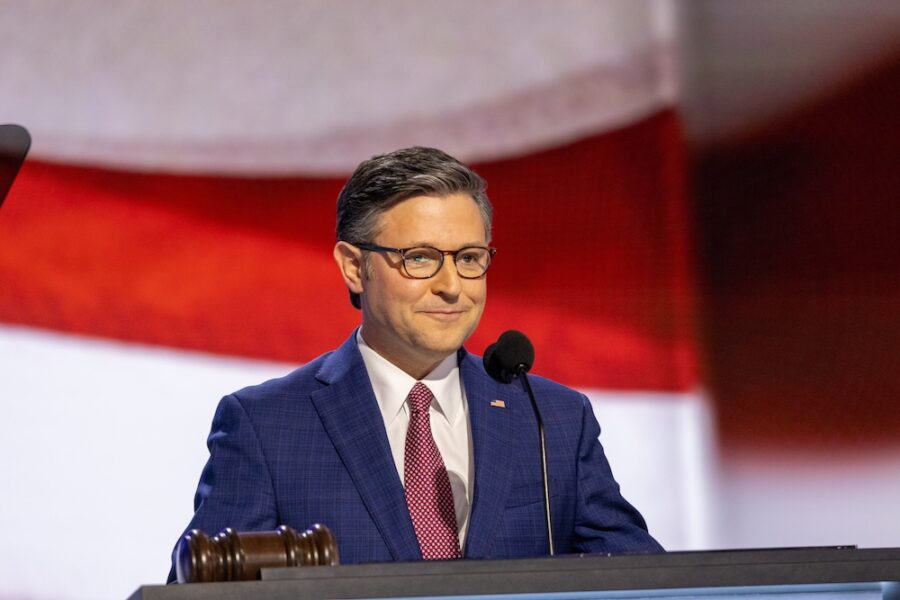
    House Speaker Mike Johnson said Sunday that he expects the partial government shutdown, which began at midnight on January 31, to end early this coming week. Appearing on NBC’s Meet the Press, Johnson said logistical challenges, including weather-related travel delays affecting lawmakers, have slowed the House’s ability to act but should be resolved soon.

    Johnson told host Kristen Welker that he anticipates the House will move forward with a vote as early as Tuesday. He said the chamber is likely to pass a Senate-approved spending package largely with Republican votes, noting that House Democrats have declined to support an expedited process. Johnson said discussions with House Minority Leader Hakeem Jeffries made clear that Democratic backing would not be guaranteed.

    Democrats have delayed the vote by refusing to provide the votes needed to fast-track the legislation, arguing that funding for the Department of Homeland Security should be addressed separately. Democratic leaders have said they want to use the funding debate to pursue changes to federal immigration enforcement policies, including oversight and operational requirements for Immigration and Customs Enforcement.

    The current negotiations follow a compromise reached between the White House and the Senate that would fund most federal agencies through the end of the fiscal year in September 2026. The Senate-approved package combines several spending bills previously passed by the House and includes a short-term extension of DHS funding at current levels to allow for further negotiations.

    The House is expected to begin consideration of the legislation with a Rules Committee meeting on Monday, followed by a full vote. If approved without further delays, the measure would reopen the government and restore funding for affected services, including federal employees, transportation operations, and disaster response efforts, while talks over DHS funding continue.

  • JUST IN: Kristi Noem Reveals Chilling New Details On Woman Accused Of Ramming ICE Agent

    JUST IN: Kristi Noem Reveals Chilling New Details On Woman Accused Of Ramming ICE Agent

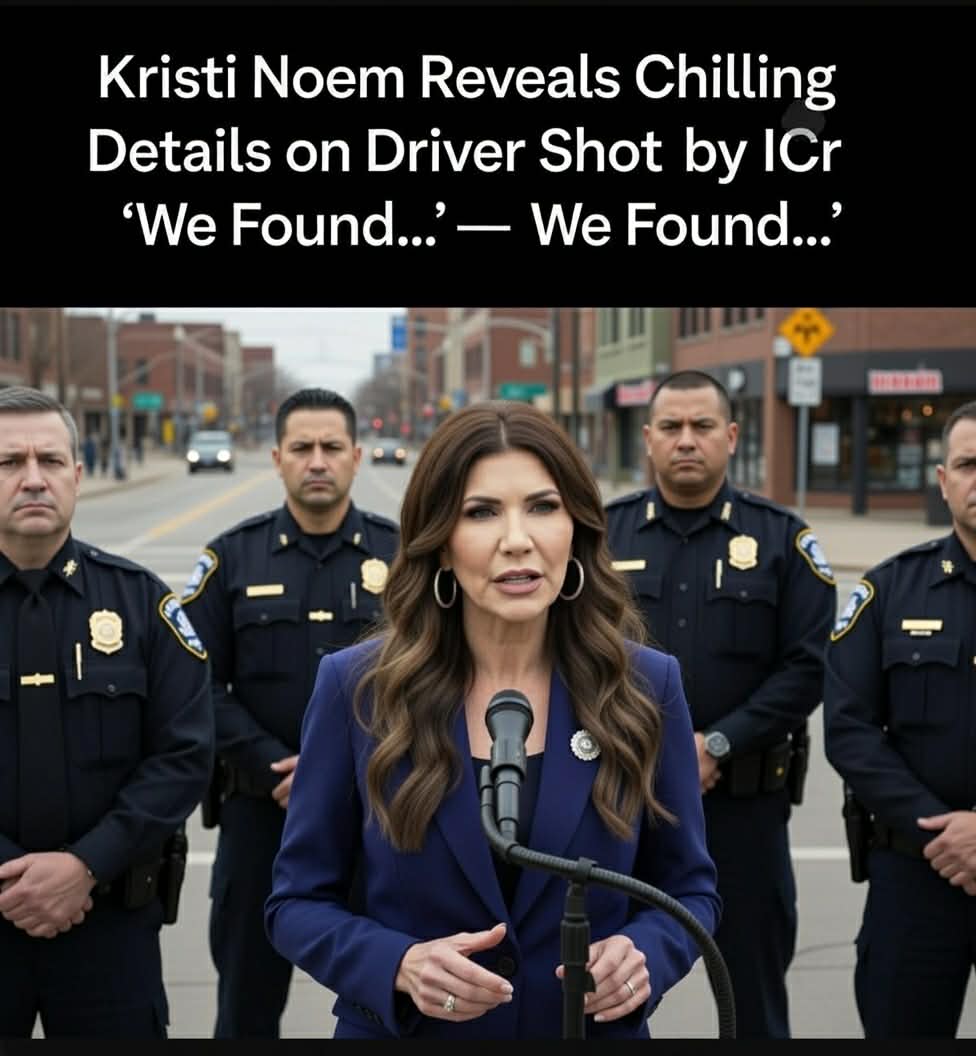
    Homeland Security Secretary Kristi Noem said Wednesday that a woman who was fatally shot by an Immigration and Customs Enforcement (ICE) officer had been interfering with a federal operation for several hours prior to the incident. Speaking at a press conference, Noem identified the woman as 37-year-old Renee Nicole Good and said agents repeatedly instructed her to stop obstructing their work and exit her vehicle, orders she allegedly ignored.

    According to the Department of Homeland Security, video footage shows Good’s vehicle stopped in the middle of a residential street as ICE agents approached and issued commands for her to leave the car. Authorities said Good instead told agents to go around her vehicle and then shifted into reverse in an apparent attempt to leave the area.

    Noem said investigators believe Good attempted to use her vehicle in a manner that endangered law enforcement officers, prompting the officer involved to fire his weapon. DHS officials said the shooting occurred during a rapidly developing situation and described the response as a defensive action. The department stated the case is being reviewed under federal protocols.

    Local and state officials disputed the federal government’s account of the incident. Minneapolis Mayor Jacob Frey questioned the characterization of the shooting, while Minnesota Gov. Tim Walz said the state would conduct an independent and thorough investigation. Minneapolis Police Chief Brian O’Hara confirmed the inquiry is being jointly handled by the FBI and the Minnesota Bureau of Criminal Apprehension.

    The shooting occurred amid heightened tensions surrounding immigration enforcement in the Twin Cities. Earlier this week, DHS announced an increased federal law enforcement presence in the area as part of broader enforcement efforts. The incident has prompted reactions from officials across the political spectrum, with some lawmakers criticizing ICE’s tactics and others reaffirming support for federal agents as investigations continue.

  • Rep. Kat Cammack Exposes Obamacare Subsidy “Fraud” as House Battle Erupts

    Rep. Kat Cammack Exposes Obamacare Subsidy “Fraud” as House Battle Erupts

    Rep. Kat Cammack of Florida criticized a Democratic-led effort to extend Affordable Care Act (ACA) subsidies during remarks on the House floor on Sunday, February 1, 2026. The proposal, brought forward through a discharge petition, would renew subsidies that recently expired, setting up a contentious debate in Congress over healthcare spending and oversight.

    Cammack argued that the subsidy extension raises concerns about misuse and inefficiency within the ACA system. She claimed that only a small percentage of Americans receive subsidized coverage through the program and alleged that a significant share of enrollees may not meet eligibility requirements, including individuals with high incomes. Democrats have disputed those claims, saying existing safeguards are in place.

    According to Cammack, the subsidies primarily benefit large insurance companies rather than individual consumers. She said the funds are paid directly to insurers to offset premiums and questioned whether extending the subsidies is appropriate given reported profits in the insurance industry. Supporters of the subsidies argue they help stabilize premiums and expand access to coverage.

    Cammack also criticized what she described as a one-size-fits-all approach to healthcare policy. She called for reforms aimed at lowering costs, expanding access to care, and emphasizing preventive services rather than continued reliance on federal subsidies tied to insurance plans.

    The debate highlights broader divisions in Congress over the future of the Affordable Care Act and federal healthcare spending. While Democrats argue the subsidies are necessary to keep coverage affordable for millions of Americans, Republicans like Cammack say the focus should shift toward broader reforms to address healthcare costs and system efficiency.

  • JUST IN: John Fetterman SLAMS Democrats for demanding ICE agents be unmasked

    JUST IN: John Fetterman SLAMS Democrats for demanding ICE agents be unmasked

    Sen. John Fetterman criticized fellow Democrats for calling on Immigration and Customs Enforcement (ICE) agents to be unmasked during enforcement operations, arguing that such demands could put agents and their families at risk. His remarks come amid a broader debate over transparency, public accountability, and safety for federal law enforcement officers.

    Fetterman said the use of face coverings by ICE agents is largely driven by concerns over being identified and targeted. He warned that agents have faced threats of being publicly identified online, a practice commonly referred to as doxxing, which he described as a serious security issue.

    According to Fetterman, publicly revealing the identities of agents could have consequences beyond the officers themselves. He said that exposing names and personal details may endanger family members who are not involved in law enforcement activities.

    The Pennsylvania senator’s comments place him at odds with some members of his own party, who have argued that masked enforcement actions reduce transparency and undermine public trust. Fetterman acknowledged the importance of accountability but emphasized that officer safety must also be considered.

    The remarks highlight ongoing divisions within the Democratic Party over immigration enforcement and public safety. As debate continues, lawmakers from both parties are weighing how to balance transparency, civil liberties, and the protection of federal agents operating in increasingly tense environments.