Blog

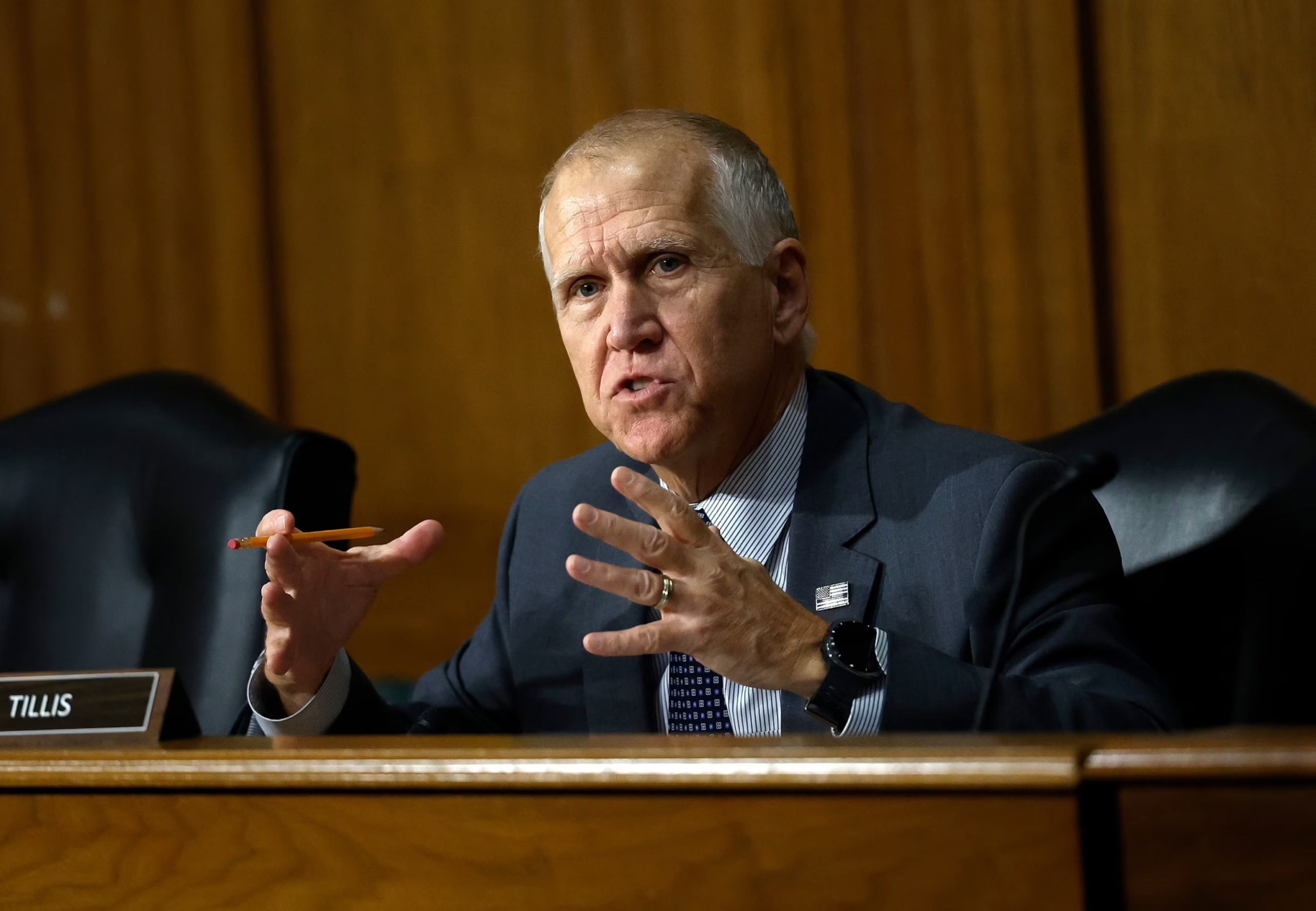
  • ‘RINO’ Senator Melts Down, Vows To Block Trump Nominees

    ‘RINO’ Senator Melts Down, Vows To Block Trump Nominees

    Sen. Thom Tillis of North Carolina said he will oppose the confirmation of any new Federal Reserve chair if current Chair Jerome Powell is removed from his position, marking another instance in which the Republican senator has broken with President Donald Trump. Tillis cited concerns about political interference following reports that Powell is under a criminal investigation related to prior congressional testimony.

    In a post on social media, Tillis said the situation raises serious questions about the independence of the Federal Reserve and the role of the Justice Department. He stated that he will not support any Federal Reserve nominees, including a new chair, until the legal matter involving Powell is fully resolved.

    Tillis’ position is significant because he serves on the Senate Banking Committee, which is responsible for reviewing and advancing Federal Reserve nominations. Powell’s current term as chair is set to expire in May, though he is expected to remain on the Federal Reserve’s board of governors until 2028 unless he is formally removed.

    The senator has recently taken other steps that place him at odds with the Trump administration. Last week, Tillis said he would block future Department of Homeland Security nominees until DHS Secretary Kristi Noem testifies before the Senate Judiciary Committee, a move that drew criticism from the department over potential national security implications.

    The investigation involving Powell centers on testimony he gave to the Senate Banking Committee last June regarding renovations to the Federal Reserve’s Washington headquarters, which are funded by the central bank rather than taxpayers. Powell has denied any wrongdoing, while some lawmakers have warned against actions they say could undermine the Fed’s independence. President Trump has publicly expressed interest in appointing a new chair who would pursue more aggressive interest rate cuts.

    How to Save Thousands on Car Insurance This Year

    Introduction
    Car insurance is a major expense for many Americans, with the average U.S. driver spending over $1,700 annually. The good news? With a few smart strategies, you can save thousands of dollars without sacrificing coverage. In this guide, we’ll show practical tips, tricks, and top provider comparisons to help you reduce your premiums in 2026.

    Why Car Insurance Costs So Much
    Insurance premiums are influenced by:

    • Your Location: Urban areas with higher accident rates cost more.
    • Driving Record: Tickets, accidents, or DUIs increase rates.
    • Vehicle Type: Sports cars and luxury vehicles cost more to insure.
    • Credit Score: In many states, credit scores impact rates.
    • Coverage Level: Higher coverage limits and lower deductibles raise premiums.

    Top 5 Ways to Save on Car Insurance

    1. Shop Around Every Year
      Insurance rates fluctuate frequently. Comparing multiple providers annually can save hundreds or even thousands. Use online comparison tools for quotes from top U.S. insurers.
    2. Bundle Policies
      Many insurers offer discounts if you combine auto insurance with homeowners or renters insurance. Bundling can cut premiums by 10–25%.
    3. Increase Your Deductible
      Raising your deductible (the amount you pay before insurance kicks in) can significantly lower monthly premiums. Just ensure you can afford the deductible in case of a claim.
    4. Check for Discounts
      Common discounts include:
    • Good driver discounts
    • Multi-car discounts
    • Student or safe-driving discounts
    • Low mileage discounts
    1. Maintain a Clean Driving Record
      Avoiding accidents, tickets, and DUIs can save hundreds annually. Defensive driving courses can sometimes reduce rates as well.

    Comparison Table of Top U.S. Car Insurance Providers

    ProviderAverage Annual PremiumKey DiscountsCoverage Options
    State Farm$1,500Multi-car, Good DriverLiability, Comprehensive, Collision
    GEICO$1,450Military, Federal Employees, Good StudentLiability, Comprehensive, Collision
    Progressive$1,600Multi-policy, Snapshot UsageLiability, Comprehensive, Collision
    Allstate$1,700New Car, Safe Driving, BundlingLiability, Comprehensive, Collision
    USAA*$1,350Military Only, Defensive DrivingLiability, Comprehensive, Collision

    *USAA is only available for military members and their families.

    Tips to Maximize Savings

    • Pay Annually: Paying your premium upfront can avoid monthly fees.
    • Drive Less: Low mileage can qualify you for usage-based discounts.
    • Review Coverage: Remove unnecessary add-ons like roadside assistance if you already have them.
    • Maintain Good Credit: In most states, higher credit scores reduce premiums.

    Conclusion
    Saving on car insurance doesn’t require sacrificing coverage. By shopping around, bundling policies, using discounts, and maintaining a clean driving record, you can save thousands this year. Start comparing providers today to see how much you could save and put that money back in your pocket.

  • Another Purple State Democrat Congresswoman Gets Indicted for Massive Fraud

    Another Purple State Democrat Congresswoman Gets Indicted for Massive Fraud

    Former Democratic Georgia Rep. Karen Bennett resigned from office effective Jan. 1, 2026, days before she was scheduled to face federal charges related to alleged COVID-19 pandemic unemployment fraud. Federal prosecutors allege Bennett improperly obtained nearly $14,000 in benefits by falsely claiming that her work providing in-home physical therapy services had been disrupted by the pandemic.

    According to charging documents filed in the U.S. District Court in Atlanta, Bennett’s actual role with Metro Therapy was administrative and conducted from a home office, meaning her work was not interrupted by pandemic restrictions. Prosecutors also allege she failed to disclose weekly income of approximately $905 earned through church-related work while receiving unemployment benefits. Bennett has pleaded not guilty to the charges and was released on bond.

    Court documents state that Bennett was able to continue performing her job duties throughout the pandemic and that therapists who provided in-home services experienced only brief disruptions. Investigators contend that Bennett was not prevented from accessing her home office and continued to support the business during the relevant period.

    In her resignation letter to Gov. Brian Kemp, Bennett reflected positively on her time in office, saying she was proud of the work accomplished by the Georgia General Assembly and described her service as a “labor of love.” Her case marks the second time a Georgia House Democrat has faced federal charges related to alleged pandemic relief fraud, following similar charges against Rep. Sharon Henderson.

    The case has drawn attention amid broader scrutiny of pandemic-related benefit programs and their oversight. While public reaction has been strong across social media, federal officials emphasized that the charges remain allegations and that Bennett is entitled to due process. Legal proceedings are expected to continue in federal court as the case moves forward.

  • WATCH: Democrat Sen. Switches to Republican Party, Could Be Huge Boost for Trump in Election

    WATCH: Democrat Sen. Switches to Republican Party, Could Be Huge Boost for Trump in Election

    Nebraska state Sen. Mike McDonnell announced that he is switching his party affiliation from Democrat to Republican ahead of the 2024 elections. In a recent interview, McDonnell said his decision was primarily driven by disagreements with his former party over abortion policy, particularly his long-held pro-life views rooted in his religious beliefs.

    McDonnell said he had consistently made his position clear while serving as a Democrat, including during his 2020 reelection campaign. He stated that he asked party leaders to respect his religiously based stance but felt increasingly marginalized over the past year. According to McDonnell, party officials took disciplinary actions against him because of his voting record on abortion-related legislation.

    The senator cited several examples of what he described as punitive measures, including being denied a seat as a party delegate and losing access to party resources. He also said the state Democratic Party formally censured him over his position. McDonnell emphasized that his Christian faith and membership in the Roman Catholic Church played a central role in his decision to leave the party.

    McDonnell’s party switch is expected to strengthen the Republican majority in the Nebraska Legislature, potentially giving GOP lawmakers greater leverage in upcoming legislative debates. The shift comes as state leaders consider changes to election-related laws, including a proposal that would alter how Nebraska allocates its electoral votes in presidential elections.

    Republican lawmakers and Gov. Jim Pillen have voiced support for legislation that would move Nebraska from its current congressional district system to a winner-take-all model for presidential elections. Supporters argue the change would align Nebraska with most other states, while critics warn it could reduce political representation. With McDonnell’s move, Republicans may now be better positioned to advance the proposal as discussions continue ahead of the 2024 election cycle.

  • Speaker Mike Johnson leaves NBC panicked as he confirms a full investigation into 2020 election fraud

    Speaker Mike Johnson leaves NBC panicked as he confirms a full investigation into 2020 election fraud

    House Speaker Mike Johnson appeared on NBC’s Meet the Press on Sunday, where he addressed the ongoing investigation into alleged election irregularities related to the 2020 presidential election in Fulton County, Georgia. Johnson confirmed that House Republicans are pursuing a full inquiry into the matter, amidst continued debate surrounding former President Donald Trump’s claims about the election.

    During the interview, moderator Kristen Welker pressed Johnson on whether it was healthy for U.S. democracy for a president to persist in disputing the results of an election several years after it concluded. She pointed out that courts and election officials had repeatedly rejected allegations of widespread fraud in the 2020 vote.

    In response, Johnson stressed the importance of election integrity. He explained that ensuring public confidence in the electoral system is essential, and that election processes should be transparent and trustworthy. However, when Welker asked if revisiting these past claims amounted to relitigating the election, Johnson clarified that this was not the goal of the investigation.

    The speaker acknowledged that President Trump lost the 2020 election, but emphasized that there were irregularities that should be addressed. Johnson indicated that the investigation is not about overturning past results but is focused on improving the election process for the future. He reiterated that the goal is to prevent any potential issues in future elections.

    Johnson also expressed frustration with how media outlets handled the coverage of the 2020 election, claiming that important questions and concerns were not fully explored at the time. His comments reflect the broader Republican stance on election security, which remains a key issue heading into the 2026 midterm elections.

    As Republicans continue to press for greater transparency and reform in the election process, Democrats argue that revisiting the 2020 election undermines public trust in democratic institutions. The debate highlights a deepening divide over how to address election integrity concerns while maintaining confidence in the U.S. electoral system.

    While Johnson and his allies emphasize the need for thorough investigations to identify and rectify any flaws in the system, critics warn that focusing on past elections could be counterproductive. They argue that it could further polarize the electorate and erode confidence in the democratic process.

    The investigation into alleged irregularities in Fulton County has become a focal point for many conservatives, who argue that addressing these concerns is necessary for restoring faith in U.S. elections. For Republicans, the 2020 election and its aftermath continue to dominate political discourse, with many seeing it as a key issue in upcoming elections.

    Looking ahead to 2026, Republicans are framing election security as a central issue, one that they believe will resonate with voters who remain concerned about the integrity of the electoral system. This stance is likely to influence the party’s approach in future campaigns, with a focus on reforming the system to ensure greater transparency and fairness.

    Meanwhile, Democrats remain wary of revisiting the 2020 election, arguing that it could be damaging to the democratic process. They contend that continuing to contest past elections only deepens political divisions and distracts from more pressing concerns facing the country.

    The debate over election security is expected to continue to play a significant role in U.S. politics in the coming years. With both parties focusing on this issue, the outcome of future elections may hinge on how effectively they can address concerns about the electoral process.

    As the investigation into Fulton County moves forward, it is likely that the issue of election integrity will remain a key topic in political discussions, shaping the national conversation as the 2026 midterms approach.

    Johnson’s comments underscore the ongoing efforts by Republicans to challenge what they see as flaws in the electoral system, while Democrats remain committed to defending the results of the 2020 election. This ongoing tension will likely influence public opinion and voter turnout in future elections.

    Ultimately, how the investigation unfolds and the actions taken by lawmakers will have long-term implications for the future of U.S. elections. As both parties navigate the complexities of election integrity, the question remains: how can the U.S. ensure a fair and transparent electoral process for all voters?

  • Breaking: Court Rules Against Democratic Redistricting Proposal

    Breaking: Court Rules Against Democratic Redistricting Proposal

    Virginia Judge Blocks Congressional Redistricting Proposal Ahead of 2026 Midterm Elections

    A Virginia court has halted an effort to redraw the state’s congressional districts before the 2026 midterm elections, delivering a significant ruling in an ongoing debate over election administration, redistricting, and government accountability.

    [poll id=”4″]

    Tazewell County Circuit Court Judge Jack Hurley Jr. ruled that a constitutional amendment advanced by state lawmakers earlier this year failed to comply with several procedural requirements mandated under Virginia law.

    The decision prevents the proposal from moving forward and ensures that Virginia’s current congressional map will remain in place for the upcoming election cycle.

    Court Finds Procedural Violations

    According to the ruling, lawmakers did not properly follow several constitutional steps required before placing the amendment before voters.

    Judge Hurley found that the proposal was not properly included on the special legislative session agenda, was not approved within required timelines, and lacked adequate public notice before the previous general election.

    The court concluded that these procedural deficiencies rendered the amendment invalid.

    Supporters of the ruling argue that election-related changes should be implemented transparently and in strict accordance with constitutional requirements, particularly when congressional representation is at stake.

    Debate Over Redistricting Continues

    The proposal emerged after political shifts in Virginia’s state government gave lawmakers an opportunity to revisit congressional boundaries ahead of the next federal election cycle.

    Critics of the plan argued that altering district lines so close to a major election could create uncertainty and raise concerns about fairness in the electoral process.

    Supporters maintained that the amendment would have modernized Virginia’s congressional map and reflected changing population trends.

    The court’s decision effectively pauses those efforts for now.

    Implications for 2026 Elections

    Because the amendment has been blocked, Virginia will continue using congressional districts adopted following the 2020 Census.

    Election officials can now proceed with preparations for the 2026 midterms under the existing map, providing certainty for candidates, voters, and local election administrators.

    Legal experts note that stable election rules and clear procedures are often viewed as important factors in maintaining public confidence in the electoral system.

    Appeal Expected

    Supporters of the proposal have indicated they plan to appeal the ruling.

    However, election timelines may limit the practical ability to implement significant district changes before the next election cycle begins.

    The case highlights the growing national focus on election administration, redistricting procedures, and constitutional safeguards governing changes to voting systems.

    As legal challenges continue across multiple states, courts are increasingly being asked to determine how and when election rules can be modified while ensuring compliance with constitutional requirements and protecting voter confidence.

    Leave a Reply

    Your email address will not be published. Required fields are marked *

  • Minneapolis Mayor Jacob Frey Calls Situation “Not Sustainable, ,,” Says “We cannot..”

    Minneapolis Mayor Jacob Frey Calls Situation “Not Sustainable, ,,” Says “We cannot..”

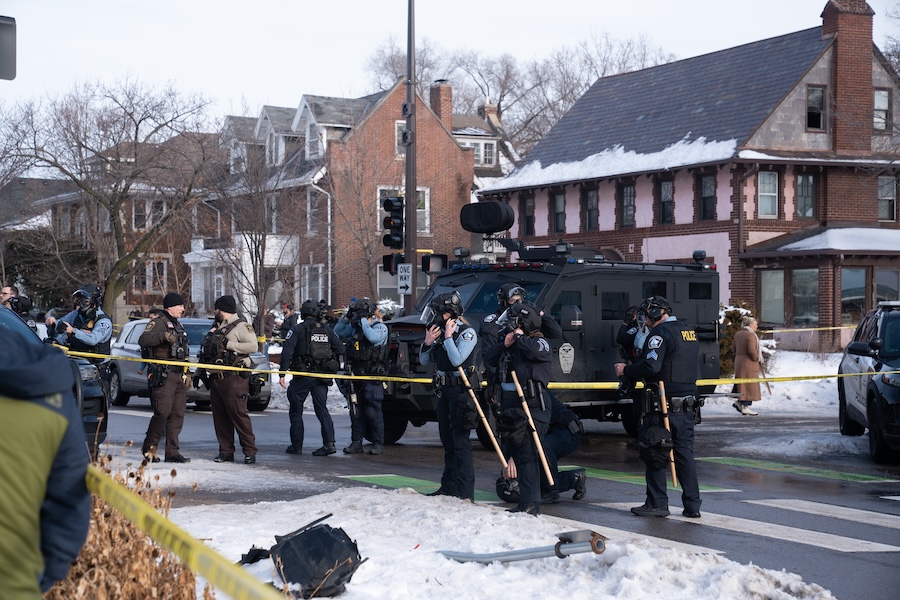
    Minneapolis Mayor Jacob Frey said Wednesday that the ongoing unrest in the city is “not sustainable,” as protests continued following a second recent shooting involving a federal immigration enforcement officer. The situation has added to mounting tensions in Minneapolis, where demonstrations have been occurring in response to high-profile federal law enforcement actions during Operation Metro Surge.

    According to the Department of Homeland Security, a U.S. Immigration and Customs Enforcement officer shot a person in the leg after the individual allegedly attacked the officer during an enforcement action. Both the officer and the person who was shot were transported to a hospital, and authorities reported that neither sustained life-threatening injuries. The incident drew significant local attention and contributed to ongoing protests across the city.

    In a social media post Wednesday evening, Frey said that regardless of the circumstances surrounding the shooting, the pace of unrest and its impact on the city cannot continue without consequences for public safety and local resources. He noted the strain on emergency responders and the community as demonstrations have expanded and drawn broader participation.

    Frey said that approximately 600 Minneapolis Police Department officers have been deployed to help maintain public safety, while roughly 3,000 federal officers have been sent to Minnesota as part of the immigration enforcement surge. The large federal presence has been a point of debate among city and state leaders, some of whom have called for changes to how enforcement operations are conducted.

    The mayor urged residents to remain calm and called for peaceful demonstrations, while also criticizing aspects of the federal response. Minneapolis remains on edge following a series of controversial enforcement incidents, including a fatal shooting earlier this month, and community members and officials continue to discuss the role and tactics of federal immigration agents.

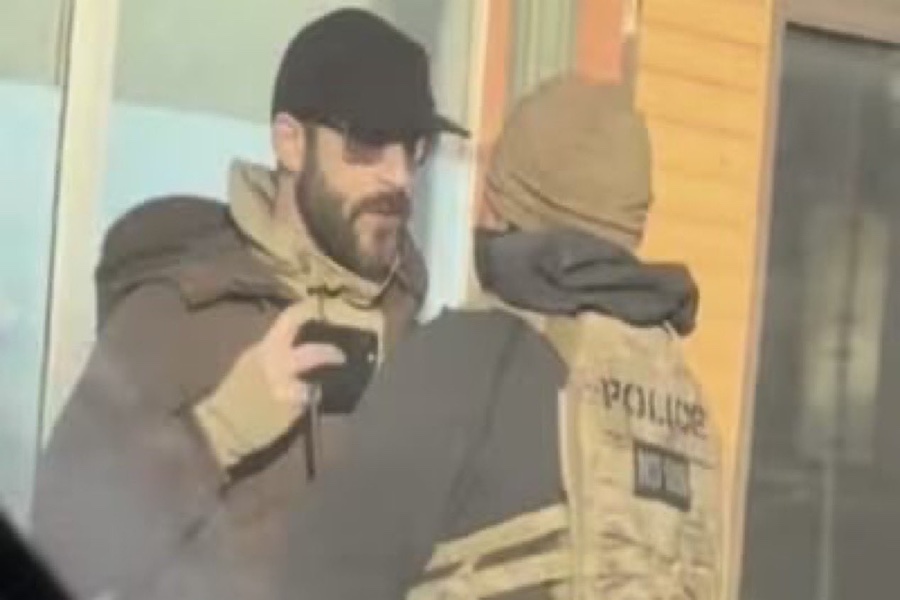
  • REPORT: Alex Pretti Was Known to Federal Agents Before..!!

    REPORT: Alex Pretti Was Known to Federal Agents Before..!!

    Federal agents were reportedly familiar with Minneapolis ICU nurse Alex Pretti prior to his fatal encounter with U.S. Border Patrol officers, according to a CNN report citing sources with knowledge of federal immigration enforcement operations. The report states that Pretti’s name had been entered into federal systems before his death during a Border Patrol operation on January 24, raising questions about what authorities may have known in advance.

    A source told CNN that Pretti was considered “known” to federal officials, though it remains unclear how widely his information was shared or whether agents involved in the incident recognized him at the time. Officials have not confirmed how Pretti’s details were circulated internally or which agencies may have had access to the information.

    The report also notes that federal authorities had recently distributed an intake form as part of the Department of Homeland Security’s “Metro Surge” immigration enforcement initiative. The form was designed to collect identifying information on individuals who interfered with or confronted agents during operations. It is not known whether Pretti’s name was entered through this process or how the data was stored and accessed.

    Authorities have not said whether the Border Patrol agents involved in the January 24 encounter were aware of any prior interactions between Pretti and federal officials. During the incident, agents struggled with Pretti, removed a firearm from his waistband, and fatally shot him. Federal officials have stated the shooting occurred during a rapidly unfolding situation, and multiple investigations remain ongoing.

    The CNN report follows earlier accounts of a separate encounter involving Pretti approximately one week before his death. Sources said he was injured during a confrontation with Immigration and Customs Enforcement agents after intervening in what he believed was an enforcement action involving a family. While Pretti was released without arrest and later sought medical care, the Department of Homeland Security has said it has no official record of that incident. As investigations continue, questions remain about information sharing among agencies and whether earlier encounters had any connection to the events that led to Pretti’s death.

  • JUST IN: Top Official Makes Huge Prediction On Supreme Court’s Tariff Ruling

    JUST IN: Top Official Makes Huge Prediction On Supreme Court’s Tariff Ruling

    Bessent recently defended the tariff plan, describing it as a national security measure designed to prevent future conflicts. According to Bessent, the strategy is to use economic pressure rather than resorting to military action. This approach, he argues, could ensure stability without escalating tensions.

    [poll id=”4″]

    The proposed tariffs have drawn significant criticism from European leaders, who have voiced concerns about the potential impact on transatlantic relations. They argue that such measures could damage long-standing alliances and complicate diplomatic ties between the U.S. and European nations.

    Despite the backlash, the Trump administration remains firm in its stance, emphasizing the strategic importance of increased U.S. control in Greenland. The administration asserts that the Arctic region has become a focal point as both Russia and China have been expanding their influence in the area.

    The U.S. argues that Greenland’s proximity to the Arctic makes it an essential asset for national security. With Russia and China both strengthening their foothold in the region, the U.S. sees increased control over Greenland as a way to secure its interests and maintain geopolitical leverage.

    Diplomatic discussions on the matter are reportedly ongoing, according to the Trump administration. The administration remains open to negotiations with European allies and other international stakeholders to ensure that the proposed measures are effective without causing unnecessary friction.

    Many European leaders have expressed concerns that the tariff plan could disrupt existing economic agreements between the U.S. and Europe. They warn that the move could lead to retaliation, which might negatively affect trade relations across the Atlantic.

    However, U.S. officials argue that the need for strategic control in the Arctic outweighs the potential economic fallout. The U.S. continues to stress the importance of safeguarding its national interests in the face of growing competition in the region.

    Bessent’s defense of the plan also includes the argument that economic pressure, rather than military confrontation, provides a more sustainable approach to addressing global security challenges. He believes that this method could help prevent the need for armed conflict while still achieving strategic goals.

    The Arctic, with its vast natural resources and key shipping routes, has become increasingly important as global powers vie for influence. The U.S. sees the region as vital to its future security and economic interests, especially in light of Russia’s increasing military presence and China’s growing investments.

    While the proposal remains contentious, the Trump administration remains resolute in its view that controlling Greenland will help secure U.S. dominance in the Arctic. This strategic focus is expected to continue influencing U.S. policy in the region moving forward.

    As tensions rise, diplomatic channels remain open, with both sides seeking a resolution that balances national security priorities with the need for international cooperation. The outcome of these discussions will likely have significant implications for future U.S.-European relations.

    Bessent’s comments highlight the administration’s broader vision for U.S. influence in the Arctic, with a particular focus on Greenland’s strategic position. By asserting its presence, the U.S. aims to maintain its competitive edge over rival nations seeking to assert control in the region.

    The criticism from European leaders also underscores the delicate balance the U.S. must strike between pursuing its national security goals and maintaining strong partnerships with its allies. The effectiveness of this approach remains to be seen, as the situation continues to unfold.

    The proposed tariffs are part of a broader strategy to enhance U.S. control over Greenland, but the backlash shows the complexity of navigating international relations in today’s increasingly interconnected world. How the U.S. handles these tensions will likely shape its foreign policy for years to come.

    As diplomatic discussions continue, both sides are likely to focus on finding common ground to ensure that security concerns are addressed without jeopardizing crucial relationships across the Atlantic. The situation remains dynamic and will require careful management to avoid further complications.

    Leave a Reply

    Your email address will not be published. Required fields are marked *

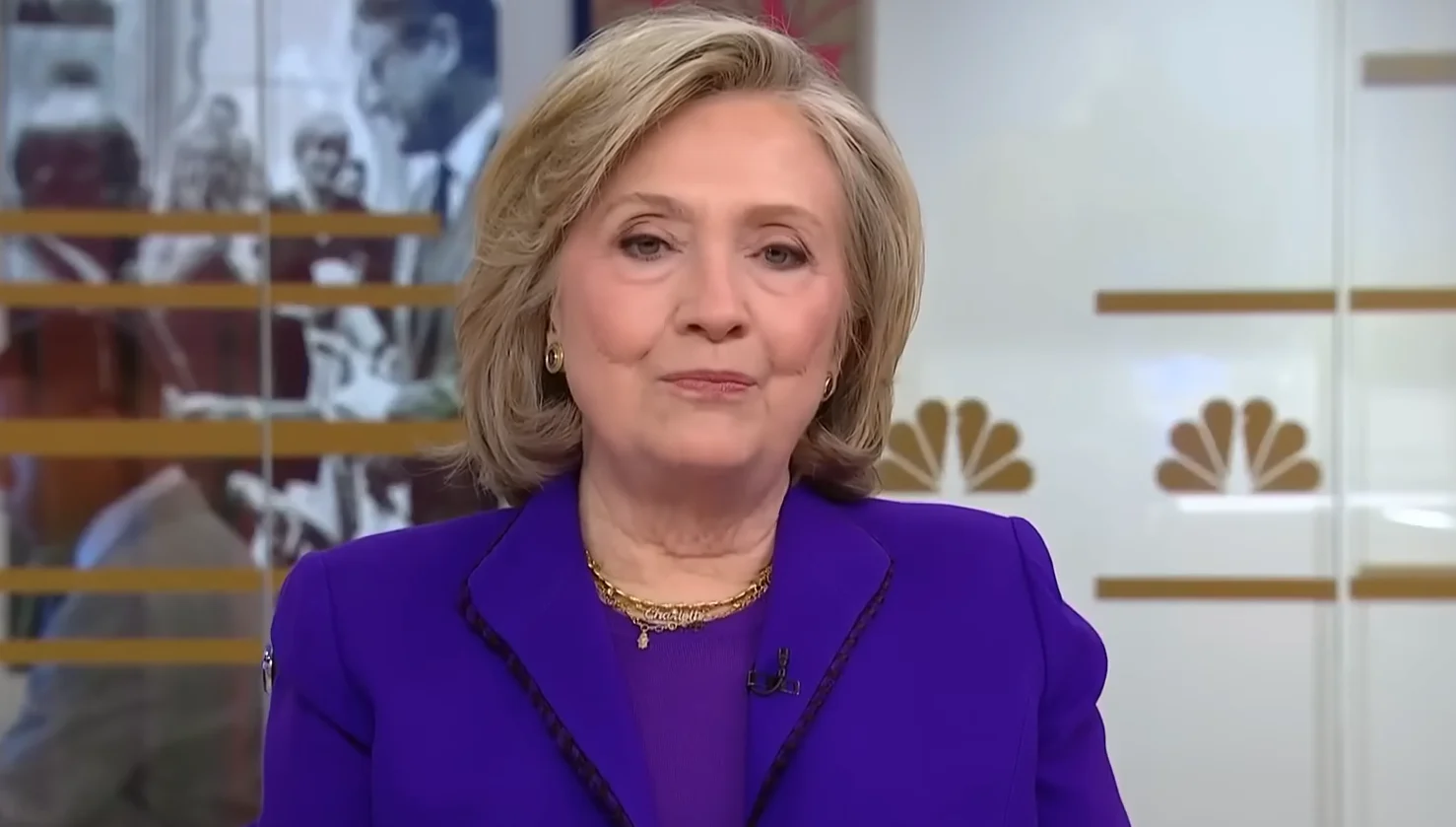
  • BREAKING / Hillary Clinton Comments on Minnesota Protests, Praising Community Action and..

    BREAKING / Hillary Clinton Comments on Minnesota Protests, Praising Community Action and..

    Former Secretary of State Hillary Clinton weighed in on the recent demonstrations in Minnesota, sharing a message of support for individuals participating in the protests. Her comments were posted on social media as public attention remained focused on tensions connected to federal immigration enforcement activity in the state.

    In her statement, Clinton praised what she described as ordinary residents standing up for their neighbors and communities. She framed the protests as an example of civic engagement, emphasizing themes of community responsibility and mutual support rather than confrontation.

    Clinton’s remarks highlighted the importance of peaceful expression and public participation in a democratic society. While referencing concerns about violence, her message centered on the idea of citizens voicing opposition and advocating for accountability through protest.

    The comments generated a range of responses online. Supporters viewed her words as an affirmation of constitutional rights and community values, while critics argued that political leaders should be cautious when addressing protests occurring during periods of unrest.

    Overall, Clinton’s statement became part of a broader national discussion about immigration policy, public demonstrations, and the balance between public safety and free expression. The situation in Minnesota continues to draw attention as officials and residents respond to ongoing developments.

  • NEW: Police Unleash ‘Voice Of God’ Battlefield Weapon Against Anti-ICE Rioters

    NEW: Police Unleash ‘Voice Of God’ Battlefield Weapon Against Anti-ICE Rioters

    A crowd-control tool used by law enforcement drew notice Monday night during an anti-ICE protest in a Minneapolis suburb, as Minnesota State Patrol officers worked to disperse demonstrators following several days of unrest. Officers were responding to a gathering outside a hotel that protesters believed was housing federal immigration personnel.

    Troopers faced protesters outside the SpringHill Suites in Maple Grove after the group declined multiple orders to leave the area. Law enforcement officials announced that a long-range acoustic device (LRAD) could be used to amplify dispersal instructions and issued a countdown before activating the system. LRADs are directional sound systems commonly used by public safety agencies to project voice commands over long distances in noisy environments.

    The technology has also been the subject of debate due to concerns raised by medical and security experts. Some warn that close or prolonged exposure to high-volume sound produced by such devices may carry health risks, including hearing damage or disorientation. Analysts have described the experience as extremely intense for those positioned directly in the sound’s path.

    Minnesota State Patrol officials stated that the LRAD was used only for voice amplification and that no high-frequency alert tones or sirens were deployed, despite online speculation. Authorities said the situation concluded with 26 arrests related to unlawful assembly and disorderly conduct.

    The demonstration followed the fatal shooting of 37-year-old Alex Pretti during a confrontation with federal officers earlier in the weekend. The Maple Grove protest occurred amid reports of leadership changes within federal immigration enforcement in Minnesota, though officials said it was unclear whether any federal agents were staying at the hotel targeted by protesters.

    LRAD systems are often described by law enforcement as non-lethal alternatives to physical crowd-control measures. Their use has gained increased public attention in recent years, particularly as discussions continue around emerging security technologies and their appropriate role in managing large public demonstrations.