Americans Still Held in Iranian Prisons as U.S.-Iran Talks Move Forward
As the United States and Iran begin a new round of negotiations aimed at reducing tensions and establishing a long-term diplomatic framework, a critical question remains unanswered: What happens to the Americans still imprisoned by the Iranian regime?
Despite the announcement of a new memorandum of understanding between Washington and Tehran, no publicly released provisions appear to address the fate of at least six Americans believed to be detained inside Iran. The omission has sparked renewed concern among national security advocates, human rights groups, and families seeking the return of loved ones held overseas.
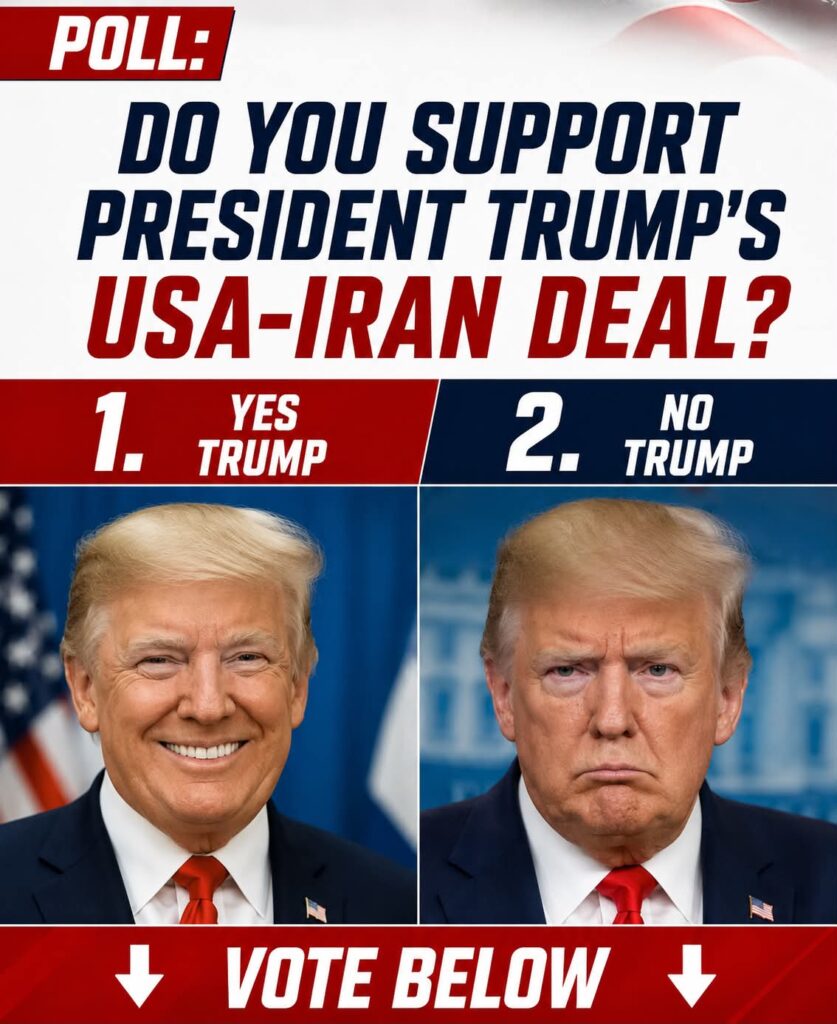
[poll id=”4″]
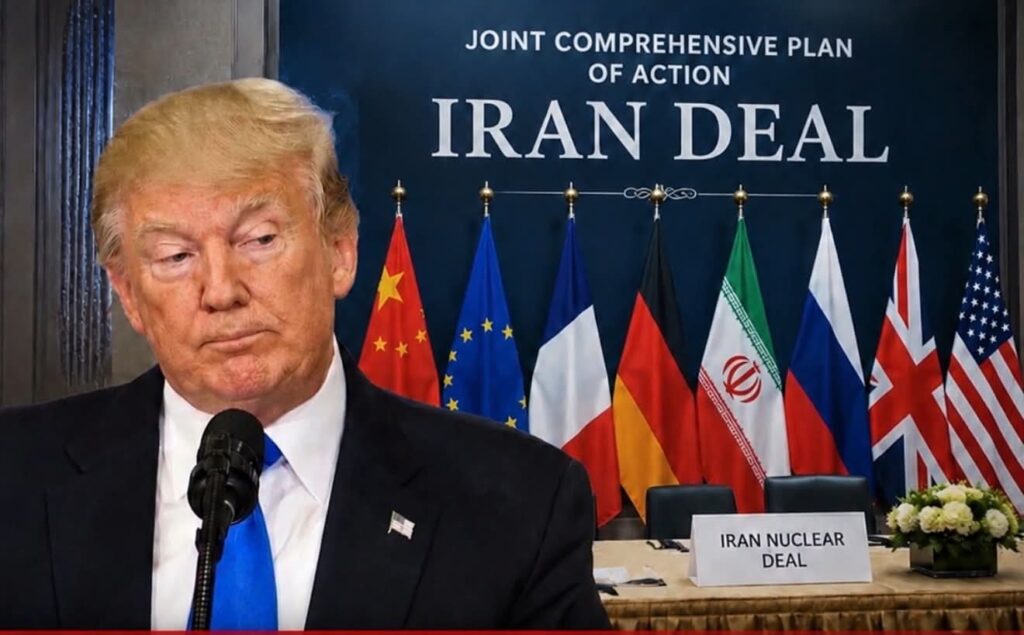
The agreement launches a 60-day negotiation process intended to create a broader framework for future U.S.-Iran relations. While supporters view the talks as an opportunity to reduce regional instability, critics argue that any meaningful agreement should prioritize the release of American citizens before broader diplomatic concessions are considered.
American Journalist Remains Behind Bars
Among those reportedly imprisoned is Iranian-American journalist Reza Valizadeh, who was arrested in 2024 while visiting family in Iran.
Iranian authorities later sentenced him to ten years in prison on charges related to alleged cooperation with a foreign government. Supporters and legal advocates maintain that the case is politically motivated and reflects a broader pattern of pressure on journalists and dual nationals.
Before his arrest, Valizadeh spent decades reporting on developments in Iran and the Middle East. His supporters say he now faces increasingly difficult conditions inside prison, with limited communication and restricted access to the outside world.
According to his attorney, Valizadeh has described serious concerns involving medical care, food shortages, isolation, and deteriorating prison conditions.
In messages reportedly sent from prison, he has questioned why American detainees were not included in broader diplomatic discussions between Washington and Tehran.
Human Rights and National Security Concerns
The detention of American citizens by foreign governments has long been a major concern for U.S. policymakers.
For many conservatives, the issue goes beyond diplomacy and raises broader questions about national security, deterrence, and the responsibility of government to protect its citizens abroad.
Advocates argue that securing the release of detained Americans should remain a top priority in any negotiations involving countries with a history of holding foreign nationals.
The case of Kamran Hekmati has also drawn attention. According to reports, Hekmati remains imprisoned in Iran and is battling serious health issues while incarcerated.
Several additional Americans are also believed to be detained, although their identities have not been publicly disclosed due to concerns for their safety.
Lessons from History
The issue of Americans detained in Iran remains deeply rooted in the history of U.S.-Iran relations.
Many Americans still remember the 1979 hostage crisis, when Iranian revolutionaries seized the U.S. Embassy in Tehran and held American diplomats and personnel captive for 444 days.
The crisis became a defining moment in modern U.S. foreign policy and continues to shape public perceptions of the Iranian government decades later.
Since then, successive administrations have pursued a variety of strategies—including diplomacy, sanctions, and prisoner exchanges—to secure the release of Americans held overseas.
Trump’s Focus on Bringing Americans Home
President Donald Trump has consistently emphasized the importance of protecting American citizens abroad and securing the release of Americans detained by foreign governments.
Throughout his time in office, the administration successfully negotiated the return of multiple Americans held in various countries, often making hostage recovery a central component of broader diplomatic efforts.
Supporters argue that future negotiations with Iran should place the release of American prisoners at the forefront of discussions, viewing it as both a humanitarian obligation and a demonstration of American strength.
Negotiations Continue as Families Await Answers
The newly announced framework agreement has been described as a potential step toward broader regional stability. However, many details remain unclear, including whether prisoner releases will ultimately be included in a final deal.
For families of detained Americans, the stakes are personal and immediate.
Advocates say any lasting agreement should not only address security concerns and regional tensions but also ensure that Americans unjustly imprisoned abroad are brought home safely.
As negotiations continue over the coming weeks, the fate of those still held inside Iranian prisons is expected to remain a major point of attention for policymakers, human rights organizations, and Americans concerned about the protection of U.S. citizens overseas.

Benjamin Harris is a RapidReports front page contributor and editor,proud father of four.