Oil Prices Drop Sharply as Iran Diplomacy Reduces Fears of Supply Disruptions
[poll id=”4″]
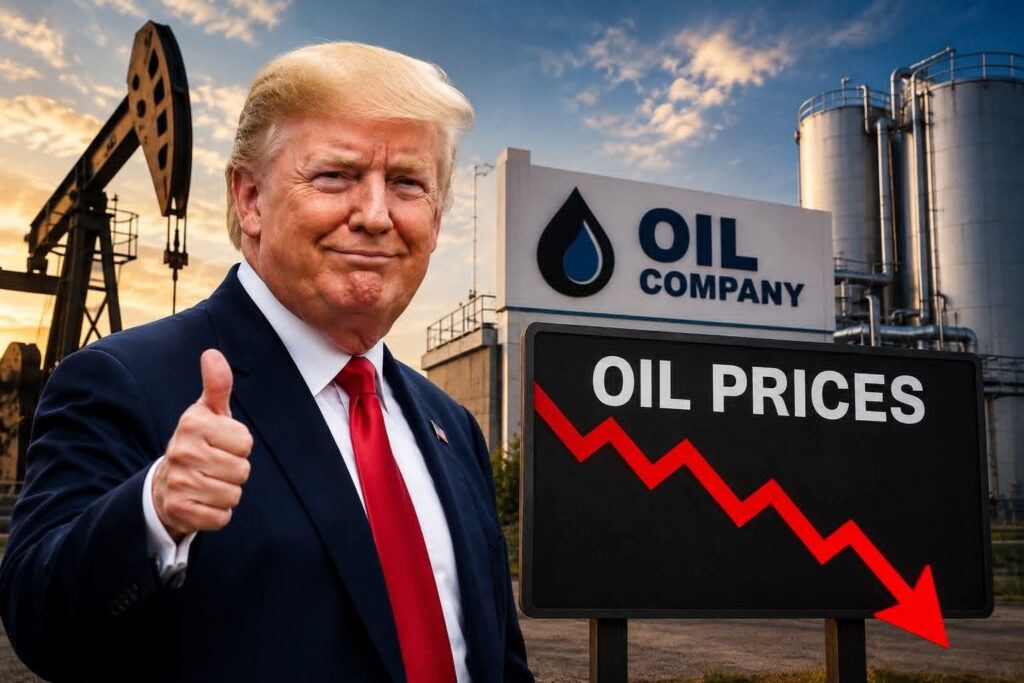
Oil prices continued their steep decline Tuesday as growing hopes for a diplomatic breakthrough between the United States and Iran eased concerns about a broader Middle East conflict.
The selloff marked a second consecutive day of major losses for global energy markets, reversing much of the surge that pushed crude prices above $100 per barrel earlier this month.
Traders have increasingly focused on the possibility of negotiations and de-escalation, even as uncertainty remains over whether military action could resume.
Brent Crude Falls Nearly 16% in Two Trading Sessions
Both major oil benchmarks recorded significant declines Tuesday.
Brent crude, the global benchmark, fell to around $83 per barrel, extending a nearly 16% drop over two sessions.
West Texas Intermediate (WTI), the U.S. benchmark, dropped below $80 per barrel, losing roughly 12% during the same period.
The decline represents a major reversal after oil prices briefly climbed above $100 earlier in the month as fighting intensified.
Diplomatic Hopes Push Traders Away From Oil Markets
The latest decline has been driven largely by expectations that diplomatic efforts could prevent another escalation in the conflict.
Investors have responded positively to reports of renewed discussions involving the United States and Iran, leading many traders to reduce positions tied to higher oil prices.
However, President Donald Trump has continued warning that military action could resume if Iran does not reach an agreement.
The uncertainty has created sharp price swings as markets react to every new development from the region.
Strait of Hormuz Talks Ease Energy Supply Concerns
A weekend ceasefire appeared to remain in place through Tuesday, helping reduce immediate concerns about disruptions to global oil shipments.
Additional discussions involving Iran, Saudi Arabia, and Oman regarding the reopening of the Strait of Hormuz further supported market confidence.
The Strait of Hormuz is one of the world’s most important energy shipping routes, with a major share of global oil supplies passing through the narrow waterway.
Any prolonged disruption could have caused a significant increase in global energy prices.
Oil Market Remains Highly Volatile Amid Middle East Uncertainty
Despite the recent decline, analysts warned that oil markets remain vulnerable to sudden changes.
“There’s definitely still a lot of volatility in the oil markets,” Morningstar chief market strategist Dave Sekera said.
Sekera noted that markets have repeatedly followed a similar pattern in recent months, with military escalation followed by weekend efforts toward de-escalation.
The repeated shifts between conflict concerns and diplomatic optimism have created unpredictable movements in crude prices.
Lower Oil Prices Could Help Ease Inflation Pressure
The decline in energy prices could provide relief for consumers and policymakers by reducing one source of inflation pressure.
Higher oil prices had contributed to concerns about rising costs as the conflict threatened global energy supplies.
Although the Federal Reserve cannot directly control supply-related inflation, lower energy costs could give policymakers more flexibility if broader price pressures continue.
Investors Await Federal Reserve Rate Decision
The oil market selloff comes as investors prepare for the Federal Reserve’s July 29 interest rate decision.
Markets are also watching uncertainty surrounding the central bank’s future leadership while tracking major corporate earnings reports.
Economic data, interest rate expectations, and inflation trends remain key factors influencing investor decisions.
Wall Street Focus Shifts Toward Corporate Earnings
With major earnings reports from companies including Meta and Microsoft approaching, some analysts said stock markets are becoming less dependent on oil price movements.
RGA Investments Chief Investment Officer Rick Gardner said Wednesday could be an important day for investors.
“While oil prices are sensitive to Iran headlines, it’s clear that the stock market is no longer moving in lockstep with oil prices,” Gardner said.
He added that investors are increasingly focused on corporate earnings, which have remained strong during the current reporting season.
Energy Markets Watch Next Iran Developments
While oil prices have fallen significantly from their recent highs, traders remain cautious.
Any renewed military confrontation involving Iran could quickly reverse the recent decline and send energy prices higher again.
For now, markets are balancing optimism over diplomacy with continued concerns about geopolitical risks in one of the world’s most important oil-producing regions.
This article may contain commentary which reflects the author’s opinion.
Oil Prices Plunge as Iran Diplomacy Hopes Rise
Oil prices extended their sharp selloff Tuesday, with Brent crude plunging nearly 16% over two sessions to around $83 a barrel and U.S. benchmark WTI slipping below $80. Traders piled out of energy markets as optimism over renewed U.S.-Iran negotiations outweighed fears of renewed fighting, easing weeks of war-driven volatility after prices had earlier surged above $100.
Trump’s Firm Stance Continues to Shape Market Sentiment
President Donald Trump has kept the pressure on Tehran, warning that military action could resume if Iran refuses to reach an agreement. A weekend ceasefire appeared to hold through Tuesday, while talks involving Iran, Saudi Arabia, and Oman over the Strait of Hormuz further calmed concerns about major shipping disruptions. Markets remain volatile, but the combination of strength and diplomatic openings has driven the latest retreat in prices.
Lower Energy Costs Offer Potential Relief for Americans
Falling oil prices could help ease inflation pressures that were fueled in part by the Iran conflict. With the Federal Reserve’s rate decision and major earnings reports also in focus, analysts note that stocks are increasingly driven by strong corporate results rather than oil swings alone—an encouraging sign as President Trump’s approach continues to influence both geopolitical risk and energy market stability.

Benjamin Harris is a RapidReports front page contributor and editor,proud father of four.