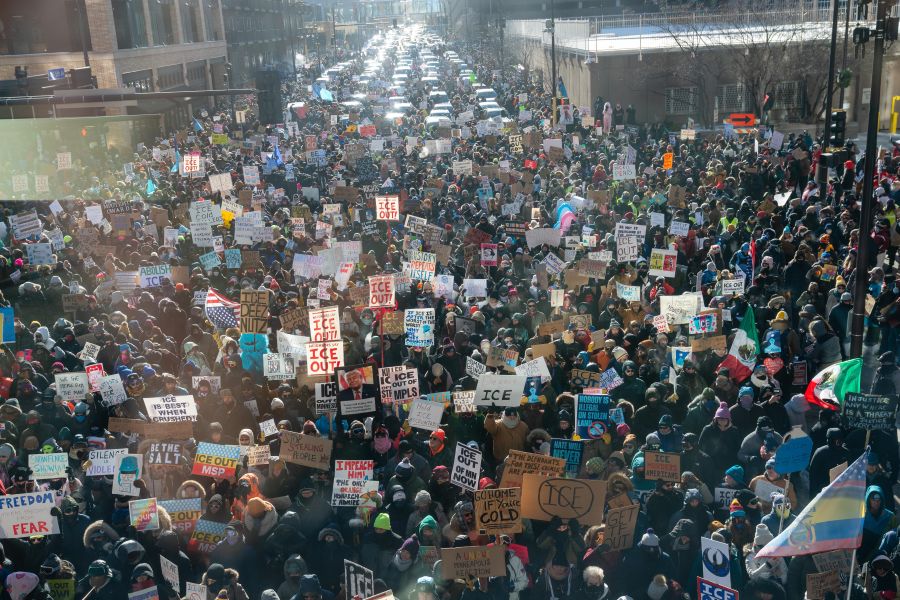
The Supreme Court of the United States has agreed to review a major immigration dispute involving access to asylum at the southern border, reopening debate over a policy that has been contested for years.
At the center of the case is a practice known as “metering,” which limited how many asylum seekers could request entry at official border crossings. The policy had previously been ruled unlawful by the United States Court of Appeals for the Ninth Circuit.
The request for Supreme Court review was made by Donald Trump, whose administration has argued for greater flexibility in enforcing immigration policies.
The Biden administration had ended the metering practice earlier, but the legal questions surrounding it have continued to move through the courts.
U.S. Solicitor General John Sauer argued that authority over border policy belongs primarily to Congress and the executive branch, not the judiciary.
Supporters of the policy say the lower court ruling interferes with the federal government’s ability to manage border operations and enforce immigration laws effectively.
On the other side, the nonprofit Al Otro Lado, along with asylum seekers involved in the case, has defended the Ninth Circuit’s decision.
Their legal team argues that metering unlawfully blocked individuals from exercising their right to seek asylum, potentially placing vulnerable people in dangerous conditions.
Advocates say that individuals turned away at ports of entry were often left in unsafe environments where they faced risks such as violence and exploitation.
Critics of the lower court ruling, however, contend that without limits, the system could be overwhelmed, allowing individuals to bypass established procedures for processing asylum claims.
Legal experts note that the case could clarify how federal law applies to asylum seekers at the border, particularly under the Immigration and Nationality Act.
That law generally allows individuals present in the United States to apply for asylum if they can demonstrate a credible fear of persecution.
The origins of the metering policy trace back to the Obama administration, when border officials began limiting entries during periods of high migration.
The policy was later expanded under the Department of Homeland Security, which issued formal guidance to border agents.
Additional restrictions were introduced in later years, including rules affecting migrants who passed through other countries before reaching the United States.
The Supreme Court’s decision to hear the case does not determine the outcome, but it signals that the justices will address key questions about the balance between border enforcement and asylum rights in the months ahead.
READ ALSO: Personal loans have become one of the most popular financial tools for managing expenses, consolidating debt, and funding major purchases. In 2026, lenders are offering more flexible options than ever before, making it easier to find a loan that fits your needs.
What Is a Personal Loan?
A personal loan is a type of unsecured loan that allows you to borrow money without collateral. You can use it for various purposes, including debt consolidation, home improvement, or emergency expenses.
Top Benefits of Personal Loans
Fixed interest rates and predictable monthly payments
No need for collateral
Fast approval process
Flexible repayment terms
How to Choose the Best Personal Loan
When comparing loan offers, consider the following factors:
Interest rate (APR)
Loan term
Fees and penalties
Lender reputation
Tips to Get the Lowest Interest Rate
Improve your credit score before applying
Compare multiple lenders
Choose a shorter loan term
Avoid unnecessary fees
Final Thoughts
Finding the best personal loan requires research and comparison. By understanding your financial situation and exploring different lenders, you can secure a loan with competitive rates and favorable terms.

Benjamin Harris is a RapidReports front page contributor and editor,proud father of four.