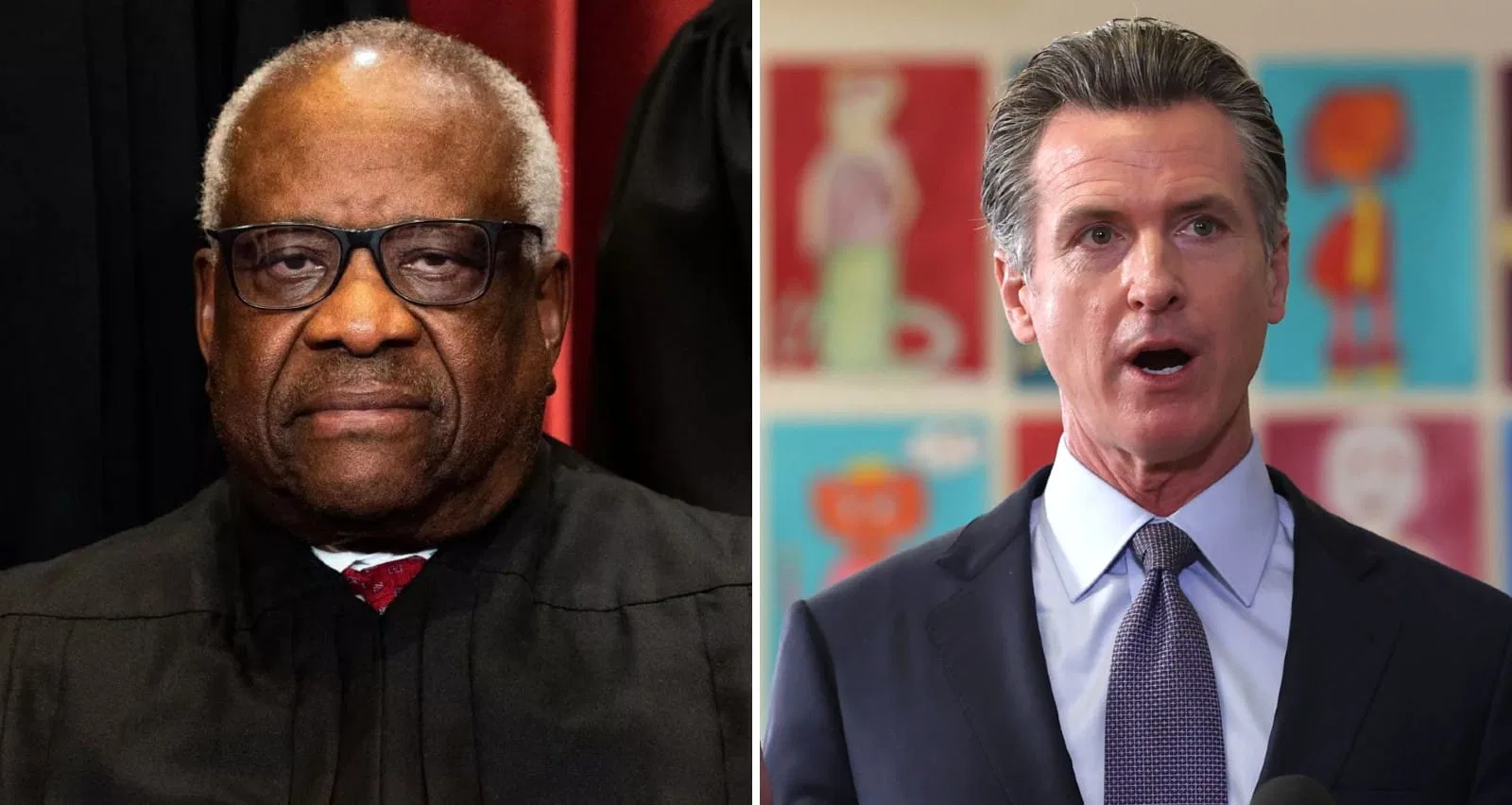
The Supreme Court of the United States issued a 7–2 decision allowing energy producers to move forward with a legal challenge against the Environmental Protection Agency over its approval of California’s vehicle emissions standards. The case centers on regulations supported by Gavin Newsom that aim to significantly expand the use of electric vehicles by 2035. The Court’s ruling focused on whether the plaintiffs had the legal standing to bring the lawsuit, concluding that they do.
Writing for the majority, Brett Kavanaugh stated that regulated industries should be able to challenge policies they believe may be unlawful. He noted that the EPA’s interpretation of its authority under the Clean Air Act has evolved over time, which contributed to the Court’s decision to allow the case to proceed in lower courts. The ruling does not determine the legality of the regulations themselves but ensures the challenge can be heard.
The regulations in question stem from California’s long-standing authority to set stricter emissions standards than federal requirements, subject to EPA approval. These policies include limits on greenhouse gas emissions and targets for increasing the share of electric vehicles sold in the state. Supporters argue such measures are necessary to address climate change, while critics raise concerns about economic impact, regulatory scope, and implementation challenges.
The decision comes amid broader national discussions on environmental policy. Donald Trump has supported efforts to roll back certain federal climate regulations, while previous administrations, including that of Barack Obama, expanded the use of existing laws like the Clean Air Act to address greenhouse gas emissions. The outcome of the ongoing legal challenge could have implications for future environmental rulemaking and federal-state authority.