Rapid Reports Photo – Benjamin Harris
NEW: US Military Clobbers Tankers Attempting To Skirt Hormuz Blockade
[poll id=”9″]
In a dangerous escalation, Iran launched missile strikes on critical infrastructure in Kuwait, targeting a power and desalination facility essential for the nation’s drinking water. This attack on one of America’s key Gulf allies highlights the growing threat posed by the Iranian regime.
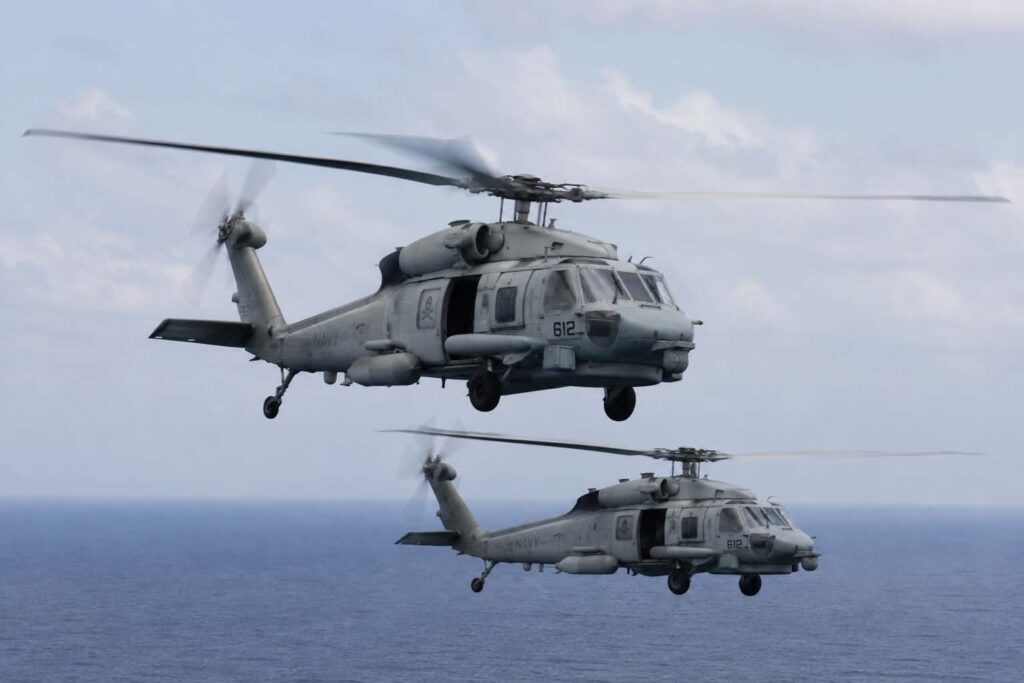
The U.S. military conducted airstrikes on Friday targeting Iranian oil tankers attempting to breach the blockade around the country’s ports, a senior U.S. official told Fox News. The operation reportedly hit several vessels, including Very Large Crude Carriers (VLCCs)—massive, empty ships attempting to return to Iranian waters despite U.S. enforcement efforts.
The strikes underscore escalating tensions in the region, as Tehran’s ability to store and move crude oil comes under increasing scrutiny amid an ongoing standoff with the United States. Experts warn that Iran’s limited oil storage capacity could intensify the pressure on the regime, with potential ramifications for global energy markets.
Iran’s storage dilemma
Analysts say the tankers may have been part of a broader strategy to extend Iran’s constrained storage capacity by using ships as floating reserves. Miad Maleki, a senior fellow at the Foundation for Defense of Democracies, told Fox News earlier this week that Iran is operating with dangerously low onshore storage.
“They have a few days of onshore storage capacity left, and then another 30 to 45 days of tankers to fill up,” Maleki said. He warned that once both land-based and maritime storage options are exhausted, Iran could be forced to scale back oil production or seek alternative ways to move its oil. Such moves could escalate the conflict, raising the stakes in an already volatile situation.
A tense standoff
The U.S. has framed the blockade and military enforcement as a key strategy to cut off Iran’s ability to fund military operations and regional proxies. Officials have argued that disrupting Tehran’s oil trade is central to limiting its influence across the Middle East and maintaining pressure on the Iranian regime.
At the same time, Iran has signaled it will resist what it calls an unlawful chokehold on its economy. Tehran’s leadership has hinted at the possibility of further restricting maritime traffic or expanding military responses, while also keeping diplomatic channels open as a potential off-ramp.
President Donald Trump emphasized that negotiations remain possible despite the rising military tension. In public statements, he has suggested that a rapid resolution could be achieved if Iran agrees to new terms aimed at curbing its nuclear ambitions and limiting regional activities.
Strategic implications for global oil markets
The Strait of Hormuz, through which roughly one-fifth of the world’s oil exports pass, has become the focal point of the standoff. Disruptions to shipping in this critical waterway could reverberate across international energy markets, driving up global oil prices and affecting supply chains worldwide. Analysts warn that even temporary blockages could have cascading economic effects, particularly for energy-dependent nations.
The latest U.S. strikes demonstrate both the operational and psychological dimensions of the blockade. By targeting tankers attempting to circumvent the embargo, Washington aims to reinforce deterrence while sending a clear message to Tehran that violations of maritime restrictions will not be tolerated.
Military and diplomatic balancing act
While U.S. forces remain on high alert, military leaders have warned of potential Iranian retaliation. Such responses could include attacks on shipping lanes, American assets, or allied infrastructure. U.S. officials are reportedly monitoring Iranian naval movements closely, especially in and around the Strait of Hormuz.
Meanwhile, Tehran has hinted at the potential for escalation but has not committed to specific military actions. Some Iranian officials have called for a strong response, while others suggest diplomatic engagement may still offer a pathway to de-escalation. Analysts note that this dual approach reflects the regime’s attempt to maintain both leverage and flexibility in a high-stakes confrontation.
The larger regional context
The recent U.S. strikes are part of a broader confrontation that has intensified in recent months. Previous incidents included attacks on Iranian speedboats in the Strait of Hormuz and retaliatory actions against oil infrastructure in the United Arab Emirates. The cumulative effect of these operations has been to heighten volatility across the Gulf region, prompting regional allies to reassess security postures and contingency plans.
Experts suggest that the current environment could set the stage for either a rapid negotiation or a prolonged confrontation. The use of military strikes, economic pressure, and diplomatic signaling simultaneously complicates forecasting, making it difficult to predict Tehran’s next move or Washington’s subsequent response.
Looking ahead
Analysts emphasize that the coming days could prove decisive. Both the United States and Iran are signaling willingness to escalate or negotiate depending on the evolving balance of risks and rewards. For Washington, maintaining the blockade while avoiding a full-scale conflict is a delicate balancing act. For Tehran, protecting oil revenue streams and asserting sovereignty in the face of U.S. pressure is equally critical.
The international community remains vigilant, as disruptions in the Strait of Hormuz would have ripple effects far beyond the Middle East. Governments, energy markets, and global shipping networks are closely watching each development, aware that any misstep could trigger wider instability.
The strikes on Friday serve as a stark reminder of the precarious state of regional security. While military actions target specific vessels, the broader implications touch energy markets, regional alliances, and the global economy. With no immediate resolution in sight, all eyes remain on Tehran and Washington as the standoff continues.
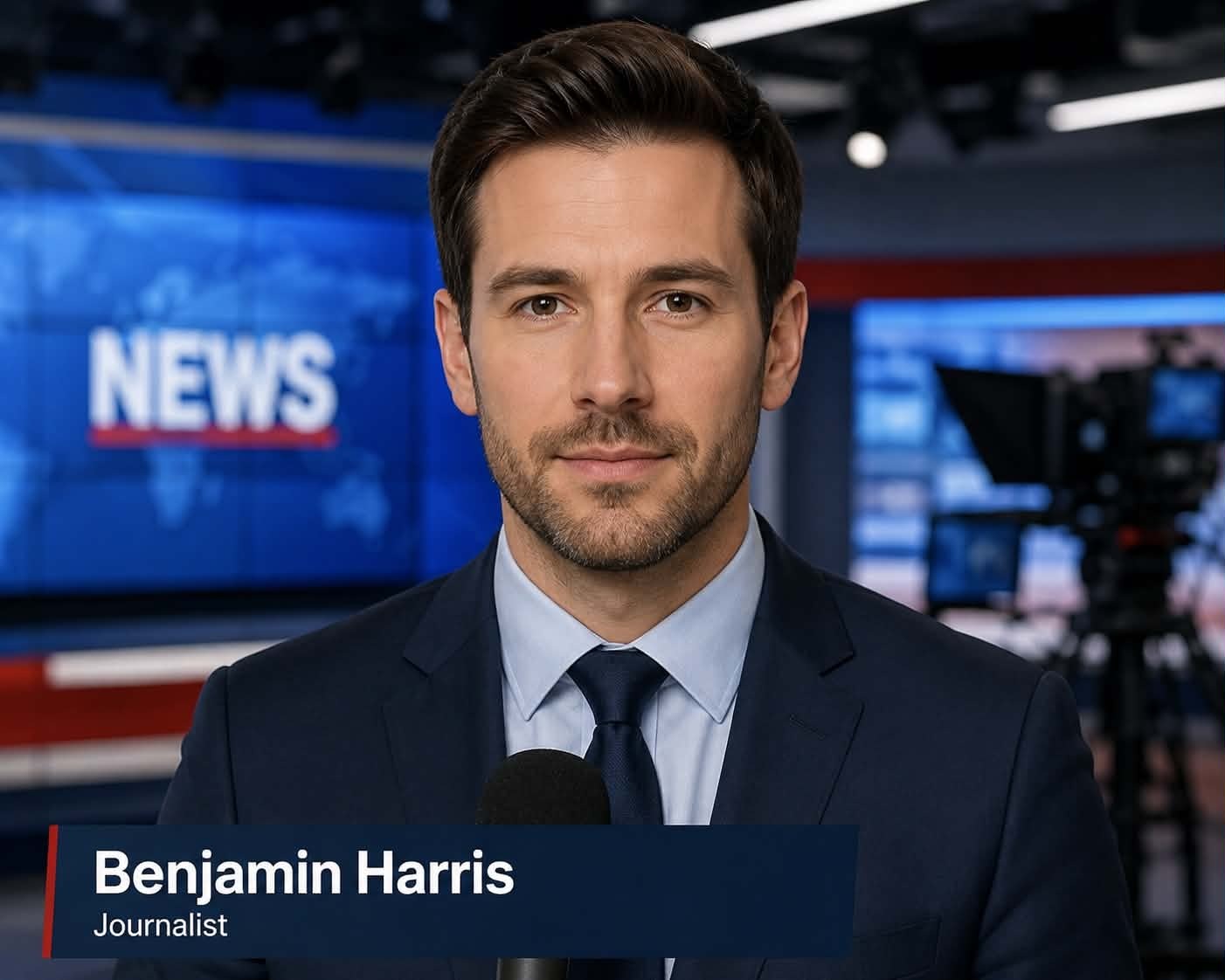
Benjamin Harris is a RapidReports front page contributor and editor,proud father of four.