
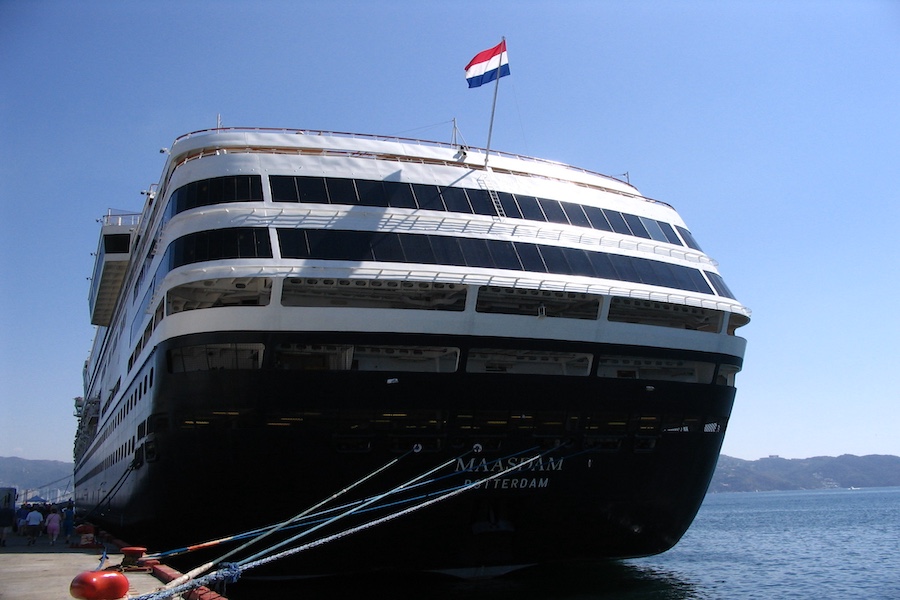
A suspected outbreak of Hantavirus aboard a polar expedition cruise ship has drawn international attention after multiple passengers fell ill during a transoceanic journey.
Health officials say the situation involves the MV Hondius, a Dutch-flagged vessel operated by Oceanwide Expeditions. The ship had been traveling from South America toward Europe when several cases of illness were reported among passengers.
What Happened on Board
According to updates from the World Health Organization, six individuals were affected during the voyage. One case has been laboratory confirmed as hantavirus, while five others remain classified as suspected infections.
Among those impacted, three passengers have died, and one individual is currently receiving intensive medical care in Johannesburg. Two additional passengers experienced symptoms and received treatment, though their current conditions have not been fully disclosed.
The ship departed Ushuaia on March 20 with roughly 150 passengers and 70 crew members. Its itinerary included stops in Antarctica and the Falkland Islands before crossing the Atlantic Ocean toward destinations near West Africa.
Timeline of Illness
The first reported fatality involved a passenger who developed symptoms consistent with a viral infection, including fever and fatigue. The individual died shortly after the vessel reached Saint Helena.
Another passenger later became ill and was evacuated to South Africa for medical care but did not survive. A third death was also reported during the voyage, though fewer details have been released publicly.
A fourth patient, identified as a British national, became ill later in the journey and remains hospitalized.
Ongoing Response
The WHO has classified the situation as a public health event and is working alongside authorities in multiple countries, including South Africa, Cape Verde, and the Netherlands.
Efforts are underway to:
- Provide medical care for affected passengers
- Conduct laboratory testing and virus analysis
- Trace potential exposures
- Support those still onboard
As of the latest update, the ship had reached Praia, where health monitoring continues. No additional cases have been reported so far.
Understanding Hantavirus
Hantavirus infections are rare but serious illnesses caused by viruses carried primarily by rodents. People typically become infected through contact with contaminated materials such as droppings or dust particles.
Common early symptoms include:
- Fever
- Headache
- Muscle aches
- Fatigue
In some cases, the illness can progress to severe complications affecting the lungs or kidneys. There is currently no specific antiviral treatment, so care focuses on managing symptoms and supporting recovery.
Health authorities emphasize that person-to-person transmission is extremely uncommon.
How Rare Is It?
While the situation aboard the ship is concerning, hantavirus infections remain uncommon globally. Data from the Centers for Disease Control and Prevention show fewer than 1,000 reported cases in the United States over a 30-year period.
Cases are typically linked to specific environmental exposures rather than widespread outbreaks.
What This Means Going Forward
Experts say the incident highlights the importance of monitoring health risks in remote travel environments, particularly where exposure to wildlife may occur.
For now, international health agencies continue to assess the situation, focusing on containment, patient care, and understanding how the exposure may have occurred.

Benjamin Harris is a RapidReports front page contributor and editor,proud father of four.