
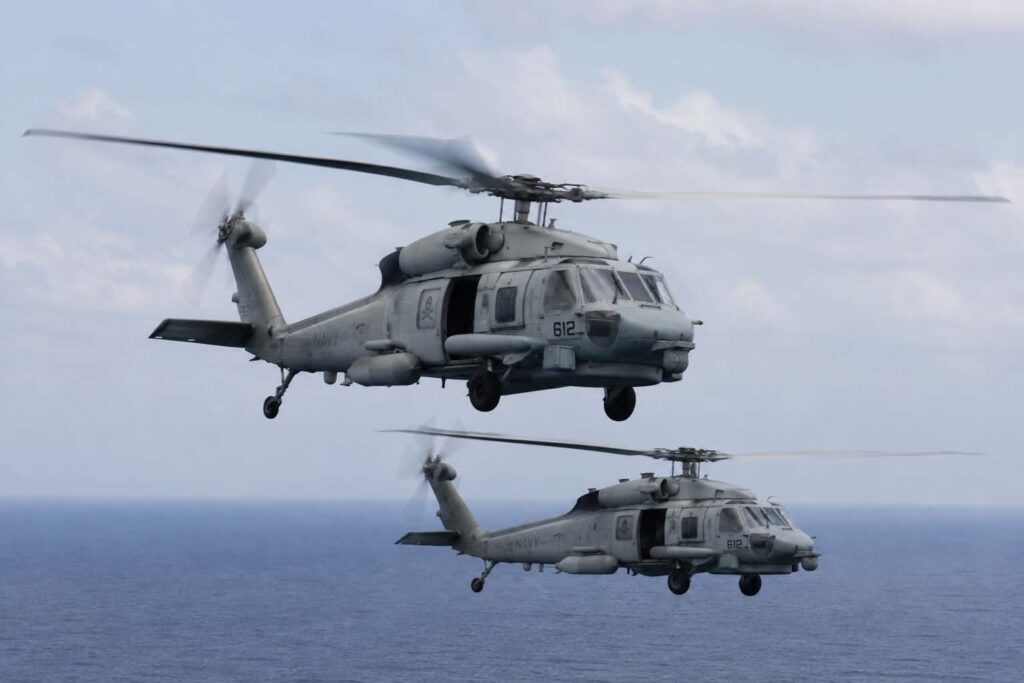
Rapid Reports Photo – Benjamin Harris
The United Arab Emirates has warned it may respond militarily after a new wave of strikes it attributes to Iran targeted key energy infrastructure, raising fresh concerns about a broader regional escalation.
[poll id=”4″]
New Attacks Mark a Turning Point
According to UAE officials, missiles and drones struck multiple sites, including facilities tied to the country’s oil and export network. Among the reported targets were areas linked to Abu Dhabi National Oil Company operations and the strategically important Fujairah Oil Industry Zone.
Air defense systems intercepted several incoming threats, including cruise missiles and drones. Authorities confirmed that at least one projectile landed in nearby waters, while others were destroyed before impact. A fire was also reported at a petroleum-related site in Fujairah, though damage assessments remain ongoing.
Officials said a small number of injuries were reported, but no large-scale casualties or catastrophic infrastructure damage has been confirmed.
First Strikes Since Ceasefire
These developments are particularly significant because they represent the first reported Iranian-linked strikes on the UAE since a ceasefire between the United States and Iran took effect in early April.
That ceasefire, initially brokered with mediation support from Pakistan, had temporarily reduced direct hostilities. However, tensions never fully subsided—especially around the Strait of Hormuz, where military and commercial activity has remained highly sensitive.
Recent U.S. operations targeting Iranian vessels suspected of mine-laying or harassment have continued during the ceasefire period, contributing to an increasingly fragile situation.
Strategic Importance of the Strait
At the center of the conflict is the Strait of Hormuz, a narrow maritime corridor that carries a significant share of the world’s oil supply.
Before the current crisis began, roughly one-fifth of global oil exports moved through this passage. Its disruption has already triggered volatility in global energy markets, affecting prices and supply chains worldwide.
Efforts by the U.S. to reopen and secure the route—particularly through naval escort operations—have added another layer of complexity to the situation.
UAE Signals Possible Retaliation
In response to the latest attacks, the UAE issued a strongly worded statement emphasizing its right to defend its territory and sovereignty.
Officials described the strikes as unacceptable and warned that the country “reserves its full and legitimate right to respond.” The statement also stressed the importance of protecting civilian infrastructure and adhering to international law.
While no specific military actions have been announced, comments from defense sources suggest that retaliation remains a real possibility.
Regional and International Implications
The situation highlights the risk of a broader regional conflict. The UAE is a key U.S. partner in the Middle East, and any escalation involving its territory could draw in additional actors.
President Donald Trump has previously encouraged allied nations in the region to take a more active role in countering Iranian actions, particularly in efforts to secure maritime routes.
At the same time, Iran has consistently warned against foreign military presence near its waters, framing such actions as threats to its sovereignty.
This dynamic creates a volatile environment where actions by one side can quickly prompt responses from another, increasing the risk of miscalculation.
Energy Markets on Edge
Beyond the immediate security concerns, the economic impact is significant. The UAE is a major energy producer, and any disruption to its infrastructure or shipping routes can influence global oil markets.
Following the latest reports, analysts have noted increased uncertainty, with traders closely watching developments in the region. Even limited strikes can affect market sentiment, particularly when they involve critical infrastructure.
What Happens Next
For now, the situation remains fluid. The UAE has not yet detailed how—or when—it might respond, but its messaging suggests that some form of action is under consideration.
Meanwhile, the broader conflict involving the United States and Iran continues to evolve, with both military operations and diplomatic efforts unfolding simultaneously.
The coming days will likely be critical in determining whether tensions escalate further or if renewed efforts at de-escalation can take hold.
What remains clear is that the Strait of Hormuz—and the countries surrounding it—will continue to play a central role in shaping both regional stability and global economic conditions.

Benjamin Harris is a RapidReports front page contributor and editor,proud father of four.