Rapid Reports Photo – Benjamin Harris
Republican Brett Ligon secured a decisive victory in a closely watched special election for Texas State Senate District 4, reinforcing the GOP’s hold on a key region in southeast Texas and setting up a rematch later this year.
A Clear Victory in a Republican Stronghold

[poll id=”4″]
The May 2 election was triggered after Brandon Creighton stepped down from the seat to become chancellor of the Texas Tech University System. That vacancy quickly turned into a contest between Ligon, a longtime prosecutor, and Democrat Ron Angeletti, an educator making his first run for office.
When the votes were counted, the outcome was decisive. Ligon captured roughly 75% of the vote, compared to about 25% for Angeletti. The margin reflected both the district’s long-standing political lean and Ligon’s established presence in the region.
Why District 4 Matters
Texas State Senate District 4 stretches across a large portion of southeast Texas, including parts of Montgomery, Harris, Chambers, Jefferson, and Galveston counties. The area has consistently favored Republican candidates by wide margins, making it one of the party’s more reliable strongholds.
That history shaped expectations heading into the race. Most political observers viewed Ligon as the clear favorite from the start, given both the district’s partisan makeup and his nearly two decades of experience as Montgomery County district attorney.
Campaign Focus and Messaging
Ligon’s campaign centered on issues that tend to resonate strongly with voters in the region. Public safety, border security, and property tax relief were key themes throughout his messaging.
His background in law enforcement helped reinforce a law-and-order approach, which has remained a significant factor in local elections. That experience also gave him an advantage in connecting with voters concerned about crime and community safety.
At the same time, Angeletti focused on education and community development, aiming to appeal to voters looking for a different perspective. However, the district’s political alignment made it difficult to gain traction against an established Republican candidate.
Strong Backing from Party Leaders
Another factor in Ligon’s win was strong support from within the Republican Party. Endorsements from high-profile figures like Greg Abbott and Dan Patrick helped unify GOP voters and reinforce Ligon’s campaign.
Such endorsements often play a key role in special elections, where turnout is lower and party organization can have a larger impact on the outcome.
Turnout and Voter Participation
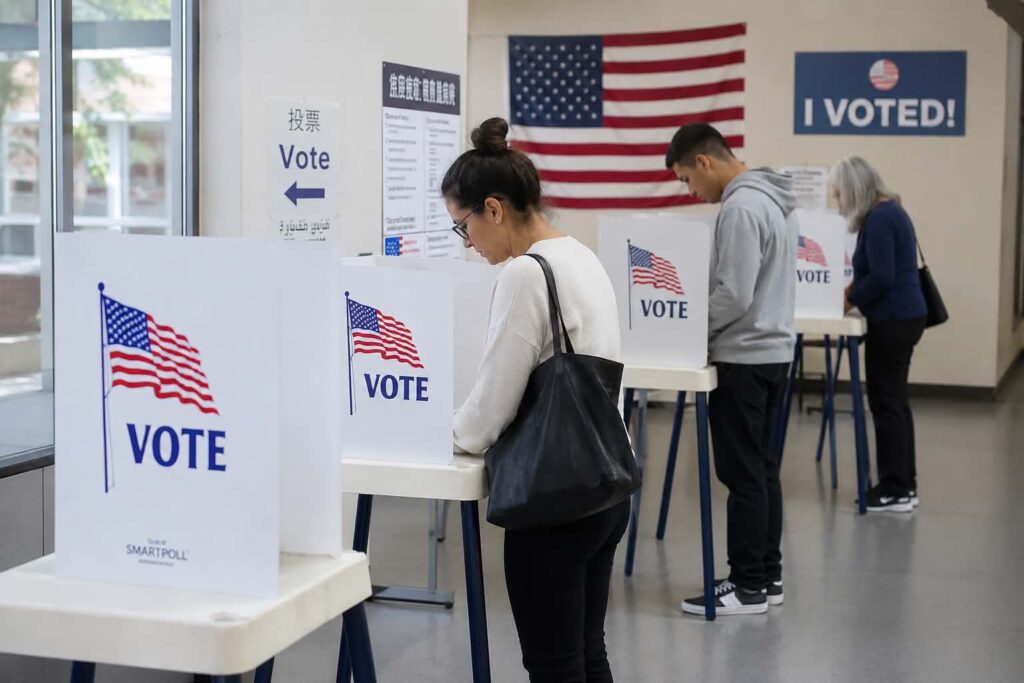
As is typical for special elections, turnout was relatively low. Just over 26,000 ballots were cast, with a significant portion coming from early voting.
While the numbers may seem modest, they are consistent with off-cycle elections, where voter engagement tends to be lower than in general election years. Even so, the result provides insight into the political landscape of the district.
What the Results Signal
Although the outcome was not unexpected, it still carries broader political significance. Democrats had pointed to recent gains in other parts of Texas as a potential sign of momentum heading into future elections.
However, the District 4 results highlight the challenges they continue to face in deeply Republican areas. Ligon’s wide margin suggests that, at least in this region, GOP support remains strong.
A Rematch on the Horizon
Importantly, this victory does not secure a full term for Ligon. The special election allows him to fill the seat only until the next general election cycle.
Voters will return to the polls in November, where Ligon and Angeletti are expected to face off again—this time for a full four-year term.
That upcoming race could draw additional attention, especially if outside groups choose to invest resources. However, based on current trends and the district’s history, Ligon enters the next phase with a clear advantage.
Looking Ahead
For now, the result reinforces a familiar pattern in Texas politics: strong Republican performance in conservative regions, even as the broader political landscape continues to evolve.
As the November election approaches, both campaigns are likely to expand their outreach efforts. Turnout will be higher, stakes will be greater, and the race could offer further insight into voter sentiment in one of the country’s most closely watched states.
For Ligon, the immediate takeaway is clear—a commanding win and a strong position heading into the next chapter of the campaign.

Benjamin Harris is a RapidReports front page contributor and editor,proud father of four.