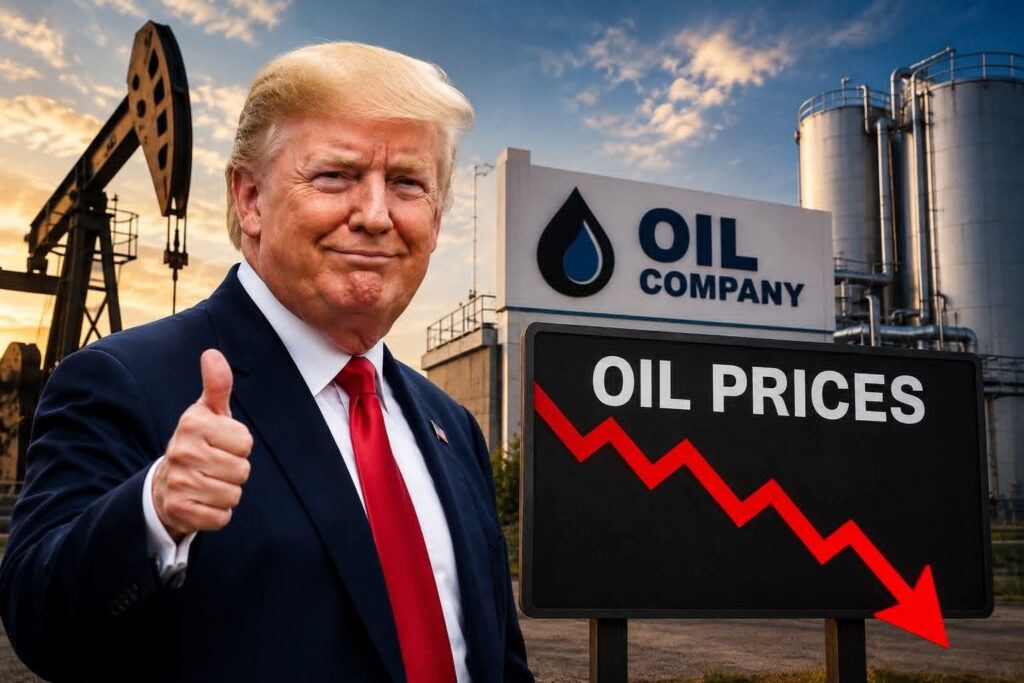
Oil prices surged at the start of trading Monday before giving back part of those gains after Iran and Israel signaled a pause in military operations. The market’s reaction highlighted how sensitive global energy prices remain to developments in the Middle East, particularly when key oil-producing nations are involved.
READ MORE: NEW: Trump Brokers Deal: ‘All Shooting Will Stop’
Investors initially rushed into crude oil markets amid concerns that escalating tensions could threaten global energy supplies. However, sentiment improved after both sides indicated that active military operations had been halted. The easing of tensions helped calm fears of a broader regional conflict that could disrupt international oil shipments and drive prices significantly higher.
President Donald Trump had publicly called for restraint and urged both nations to avoid further escalation. Supporters of the administration pointed to the cooling of tensions as another example of Trump’s emphasis on peace through strength and diplomatic pressure aimed at preventing wider conflicts that could impact global markets and American consumers.
While the immediate threat appears to have eased, energy traders remain cautious. Iran has warned that future military action could resume if new attacks occur, keeping uncertainty in the market. As a result, oil prices continue to reflect a risk premium tied to geopolitical developments in the region.
One of the largest concerns for global markets remains the Strait of Hormuz, a strategic waterway through which a significant portion of the world’s oil and natural gas exports travel. Any disruption to shipping through the strait could have major consequences for energy supplies, transportation costs, and economic growth around the world.
Energy analysts note that crude oil prices have been under upward pressure for months due to ongoing regional instability. Higher energy prices can affect a wide range of industries, including transportation, manufacturing, logistics, and consumer goods, making geopolitical stability a key factor for investors and policymakers alike.
Major oil-producing nations have attempted to increase output to support global supply, but market participants remain uncertain about whether additional production would be enough to offset the effects of a major disruption. Questions surrounding supply chains, sanctions, and regional security continue to influence oil market expectations.
For American households and businesses, stable energy prices remain an important economic issue. Monday’s trading activity demonstrated how quickly markets respond to international developments and why efforts to reduce tensions can have an immediate impact on investor confidence, energy costs, and the broader economic outlook.

Benjamin Harris is a RapidReports front page contributor and editor,proud father of four.