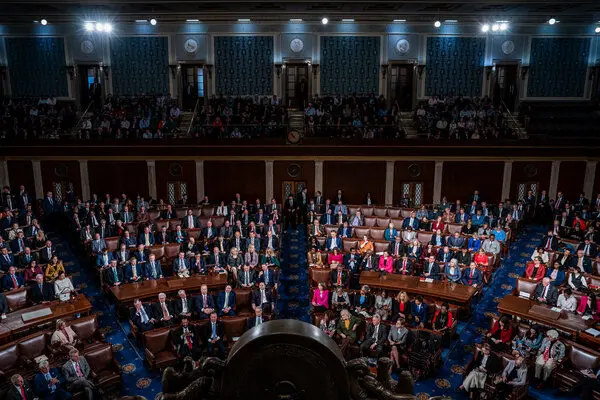
Republican lawmakers in Congress are preparing to introduce legislation that would limit access to certain federal welfare programs for non-citizens. The proposal is part of a broader policy push focused on immigration enforcement and government spending.
According to supporters, the bill would seek to restrict eligibility for programs such as Supplemental Nutrition Assistance (often referred to as food assistance), housing subsidies, Medicaid, and cash assistance benefits. Backers of the measure argue that publicly funded programs should prioritize U.S. citizens and individuals who meet specific legal residency requirements.
Republican sponsors say the legislation is intended to address concerns about federal spending and ensure that taxpayer-funded resources are directed toward eligible recipients under existing immigration and benefit laws. They also indicate that the proposal may include additional eligibility verification requirements.
Democratic lawmakers and immigrant advocacy groups are expected to oppose the measure, arguing that many non-citizens — including lawful permanent residents and certain visa holders — already face strict eligibility rules. Critics warn that further restrictions could negatively affect families and local communities, particularly in areas with large immigrant populations.
The proposal adds to ongoing debates in Washington over immigration policy, public benefits, and federal budget priorities. As the bill is formally introduced and reviewed, its prospects in both the House and Senate will likely depend on negotiations between lawmakers and the broader political climate surrounding immigration reform.