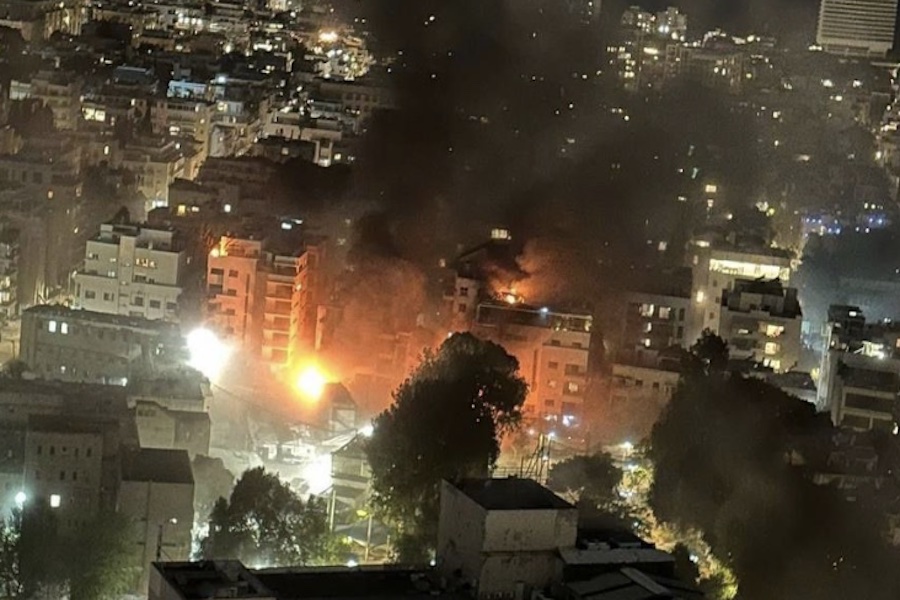
Ongoing U.S. military strikes against Iran are raising concerns among analysts about possible ripple effects across the Middle East. Security experts say Tehran could respond indirectly through allied groups operating in the region, potentially increasing risks for U.S. personnel, partner nations, and key infrastructure.
Groups frequently cited in such assessments include Hezbollah in Lebanon and Houthis in Yemen, along with certain militia factions in Iraq. Analysts note that these organizations have previously demonstrated the ability to launch rockets, drones, or other attacks targeting military and commercial sites. Some experts believe Hezbollah’s missile capabilities, in particular, remain a significant factor in regional security calculations.
Former intelligence and counterterrorism officials have also pointed to the Houthis as a potential concern, especially regarding maritime routes and energy infrastructure. The group has previously been linked to attacks on commercial shipping lanes in the Red Sea, raising fears of broader economic disruption if hostilities intensify.
The latest escalation follows reported breakdowns in diplomatic discussions between Washington and Tehran over Iran’s nuclear program. U.S. officials have said their objectives include limiting Iran’s uranium enrichment activities, curbing missile development, and addressing Tehran’s support for armed groups designated as terrorist organizations by the United States. Iranian officials have maintained that their nuclear activities are for peaceful purposes.
Regional governments, including Saudi Arabia, Qatar, the United Arab Emirates, Bahrain, Jordan, and Kuwait, are closely monitoring developments, particularly as several host U.S. military assets. Security analysts caution that any sustained escalation could increase instability across the Gulf and surrounding areas, underscoring the high stakes of the current situation.