Ahmadinejad, born in Tehran in 1956, rose through Iran’s conservative political establishment and previously served as mayor of Tehran before winning the presidency in 2005. His 2009 re-election sparked widespread protests amid allegations of electoral irregularities. During his time in office, he was known internationally for his confrontational rhetoric toward Israel and the West, as well as for expanding Iran’s nuclear program.
After leaving office, Ahmadinejad’s political influence declined. He publicly disagreed at times with Iran’s Supreme Leader, Ali Khamenei, and was disqualified from running in subsequent presidential elections. In later years, he served as a member of Iran’s Expediency Discernment Council, holding a more limited role in the country’s political structure.
The reported strike occurred amid escalating regional hostilities involving Iran, Israel, and the United States. Military operations have included airstrikes targeting strategic sites and retaliatory missile and drone launches affecting multiple countries in the region. Officials in several nations have confirmed impacts on both military and civilian areas, though full casualty figures remain fluid.
Governments involved have issued sharply worded statements, and military activity remains ongoing. Shipping routes near the Strait of Hormuz have also experienced disruptions amid the broader conflict. As of now, officials continue to assess damage and casualties, and the situation remains highly volatile.
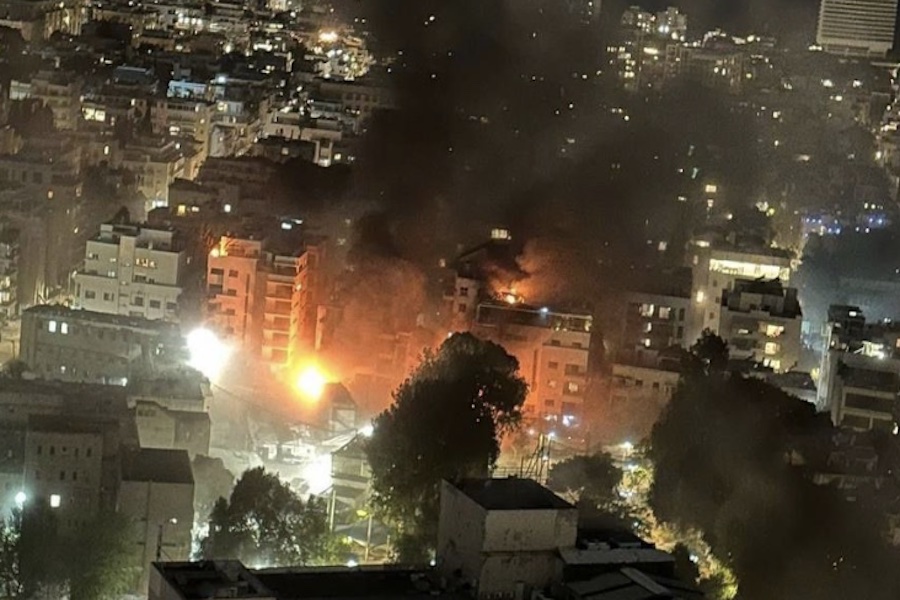
Reports from Iranian state-affiliated media claim that Mahmoud Ahmadinejad, who served as Iran’s president from 2005 to 2013, was killed in an airstrike that targeted his residence in Tehran’s Narmak neighborhood on March 1. According to those outlets, Ahmadinejad died along with members of his security detail. Independent confirmation from international authorities has not been publicly released.
Ahmadinejad, born in Tehran in 1956, rose through Iran’s conservative political establishment and previously served as mayor of Tehran before winning the presidency in 2005. His 2009 re-election sparked widespread protests amid allegations of electoral irregularities. During his time in office, he was known internationally for his confrontational rhetoric toward Israel and the West, as well as for expanding Iran’s nuclear program.
After leaving office, Ahmadinejad’s political influence declined. He publicly disagreed at times with Iran’s Supreme Leader, Ali Khamenei, and was disqualified from running in subsequent presidential elections. In later years, he served as a member of Iran’s Expediency Discernment Council, holding a more limited role in the country’s political structure.
The reported strike occurred amid escalating regional hostilities involving Iran, Israel, and the United States. Military operations have included airstrikes targeting strategic sites and retaliatory missile and drone launches affecting multiple countries in the region. Officials in several nations have confirmed impacts on both military and civilian areas, though full casualty figures remain fluid.
Governments involved have issued sharply worded statements, and military activity remains ongoing. Shipping routes near the Strait of Hormuz have also experienced disruptions amid the broader conflict. As of now, officials continue to assess damage and casualties, and the situation remains highly volatile.