Federal Appeals Court Sides With Trump Administration, Orders End to Contempt Investigation
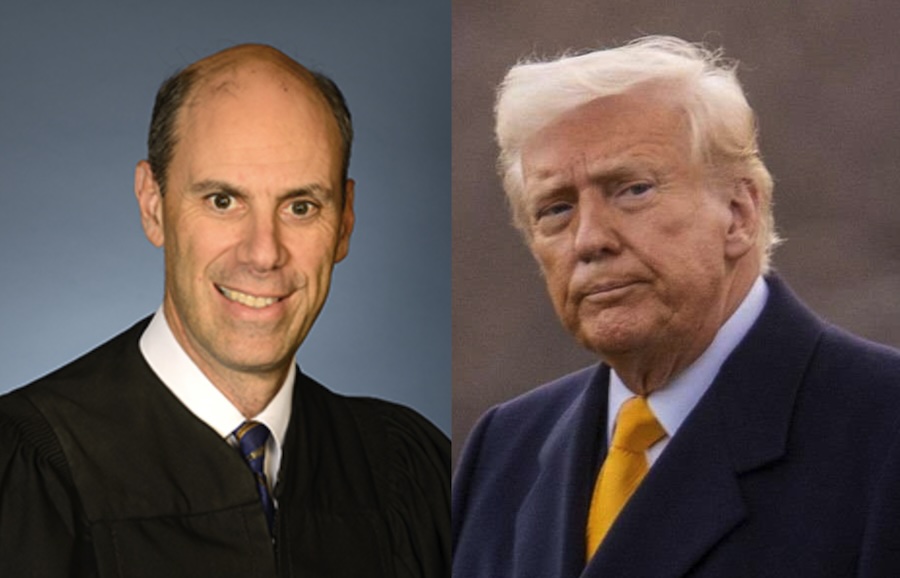
A federal appeals court has delivered a significant legal victory to the Trump administration by ordering U.S. District Judge James Boasberg to halt a contempt investigation tied to the administration’s immigration enforcement policies.
The ruling centers on a dispute involving deportation flights that transported Venezuelan migrants to El Salvador and whether federal officials complied with a previous court directive. The decision represents another major development in the ongoing legal battles surrounding immigration enforcement and executive authority.
Appeals Court Rules Against Contempt Inquiry
In a divided decision, a three-judge panel of the U.S. Court of Appeals for the District of Columbia Circuit concluded that Judge Boasberg should not continue pursuing contempt proceedings against administration officials while broader legal questions remain unresolved.
The court determined that the Trump administration had a “clear and indisputable” right to seek relief from the lower court’s actions. According to the majority opinion, continuing the contempt inquiry under the circumstances exceeded the appropriate scope of judicial authority.
Judge Neomi Rao, who authored the majority opinion, stated that the lower court abused its discretion by moving forward with the investigation while key legal issues were still under review.
Immigration Enforcement Remains at the Center of the Dispute
The case stems from deportation flights involving Venezuelan migrants who were transported to El Salvador as part of broader immigration enforcement efforts. Judge Boasberg had been examining whether administration officials failed to comply with an earlier judicial order related to those operations.
While the contempt investigation has now been halted, the underlying legal dispute remains active and could continue through future court proceedings.
The case has attracted national attention because it touches on questions involving immigration policy, executive authority, federal court oversight, and the constitutional separation of powers.
Debate Over Judicial and Executive Authority
Supporters of the administration argue that immigration enforcement falls primarily within the responsibilities of the executive branch and that excessive judicial intervention can complicate the implementation of national policy.
Critics, meanwhile, maintain that federal courts play an essential role in ensuring that government agencies and officials comply with legal requirements and constitutional protections.
The appeals court ruling does not resolve those broader debates but does place limits on how the lower court may proceed while related legal matters continue to be litigated.
Why the Decision Matters
The ruling could have broader implications for future disputes involving presidential authority, immigration enforcement, and the relationship between federal courts and executive agencies.
Legal experts note that conflicts between the executive branch and the judiciary often raise important constitutional questions regarding the balance of power among the three branches of government. Cases involving immigration policy have become a particularly significant battleground in recent years.
For now, the appellate court’s decision effectively pauses the contempt proceedings and represents a notable procedural victory for the Trump administration.
Opinion: A Win for Executive Authority and Due Process
From a pro-Trump perspective, the appeals court’s decision is an important reminder that courts must operate within established constitutional limits. Supporters argue that while judicial oversight is necessary, contempt investigations should not move forward when key legal questions remain unresolved.
Many conservatives view the ruling as a victory for due process and a reaffirmation that executive branch officials should not face punitive legal actions before the courts have fully addressed the underlying issues. They also see the decision as reinforcing the president’s authority to carry out immigration policies established under federal law.
Supporters of President Trump argue that immigration enforcement remains a core responsibility of the federal government and that policy disagreements should be resolved through the legal process rather than through expanded judicial intervention. The appeals court’s ruling, they contend, helps preserve the constitutional balance between the executive and judicial branches.
In a divided decision, a three-judge panel from the U.S. Court of Appeals for the District of Columbia Circuit determined that Judge Boasberg overstepped his authority by continuing with contempt proceedings. The court concluded that the administration had a “clear and indisputable” right to end the inquiry while related legal questions remain unresolved.
Judge Neomi Rao, who authored the majority opinion, stated that the lower court’s actions were an abuse of discretion. The opinion emphasized limits on judicial authority in disputes involving executive branch decisions, particularly in areas tied to immigration and national policy. Boasberg, who serves as chief judge of the federal district court in Washington, D.C., had been examining whether officials failed to follow an earlier order concerning the flights.
The case reflects broader tensions between the executive branch and the judiciary, especially regarding immigration policy and the scope of presidential authority. Administration officials have argued that court interventions risk interfering with national priorities, while critics maintain that judicial oversight is necessary to ensure compliance with the law.
By halting the contempt probe, the appellate court’s decision effectively removes that line of inquiry for now, leaving the underlying legal dispute unresolved. The ruling highlights the ongoing debate over the balance of power among branches of government and the limits of judicial review in politically sensitive matters.
The U.S. Supreme Court declined to hear an emergency appeal from Samuel Ronan, effectively preventing him from appearing on the Republican primary ballot in Ohio’s 15th Congressional District. The court issued its decision without comment, which is typical for emergency requests handled through its expedited process, and no justice publicly dissented.
Ronan had attempted to run as a Republican challenger to incumbent Representative Mike Carey. Although he filed the required paperwork affirming his affiliation with the Republican Party, his candidacy was quickly questioned. Critics pointed to his prior run for chair of the Democratic National Committee as evidence that his political alignment may not have genuinely changed.
The Franklin County Board of Elections initially approved Ronan’s candidacy but later split along party lines when reviewing a challenge to his eligibility. The tie was broken by Ohio Secretary of State Frank LaRose, who voted to remove Ronan from the ballot. State officials argued that maintaining clear and honest party affiliations is essential to preserving election integrity.
Ronan challenged the decision in federal court, but Chief U.S. District Judge Sarah Morrison upheld the state’s action. In her ruling, she stated that election officials are not required to allow a candidate to appear on a partisan ballot if there is evidence suggesting misrepresentation of party affiliation. A federal appeals panel later declined to reverse that decision.
In his final appeal, Ronan, joined by voter Ana Cordero, argued that his removal violated First Amendment protections and unfairly restricted political participation. Ohio Attorney General Dave Yost countered that Ronan’s claim lacked merit, asserting that his political history contradicted his stated affiliation. The Supreme Court’s decision leaves in place the lower court rulings, reinforcing the state’s authority to regulate party primary ballots under certain conditions.
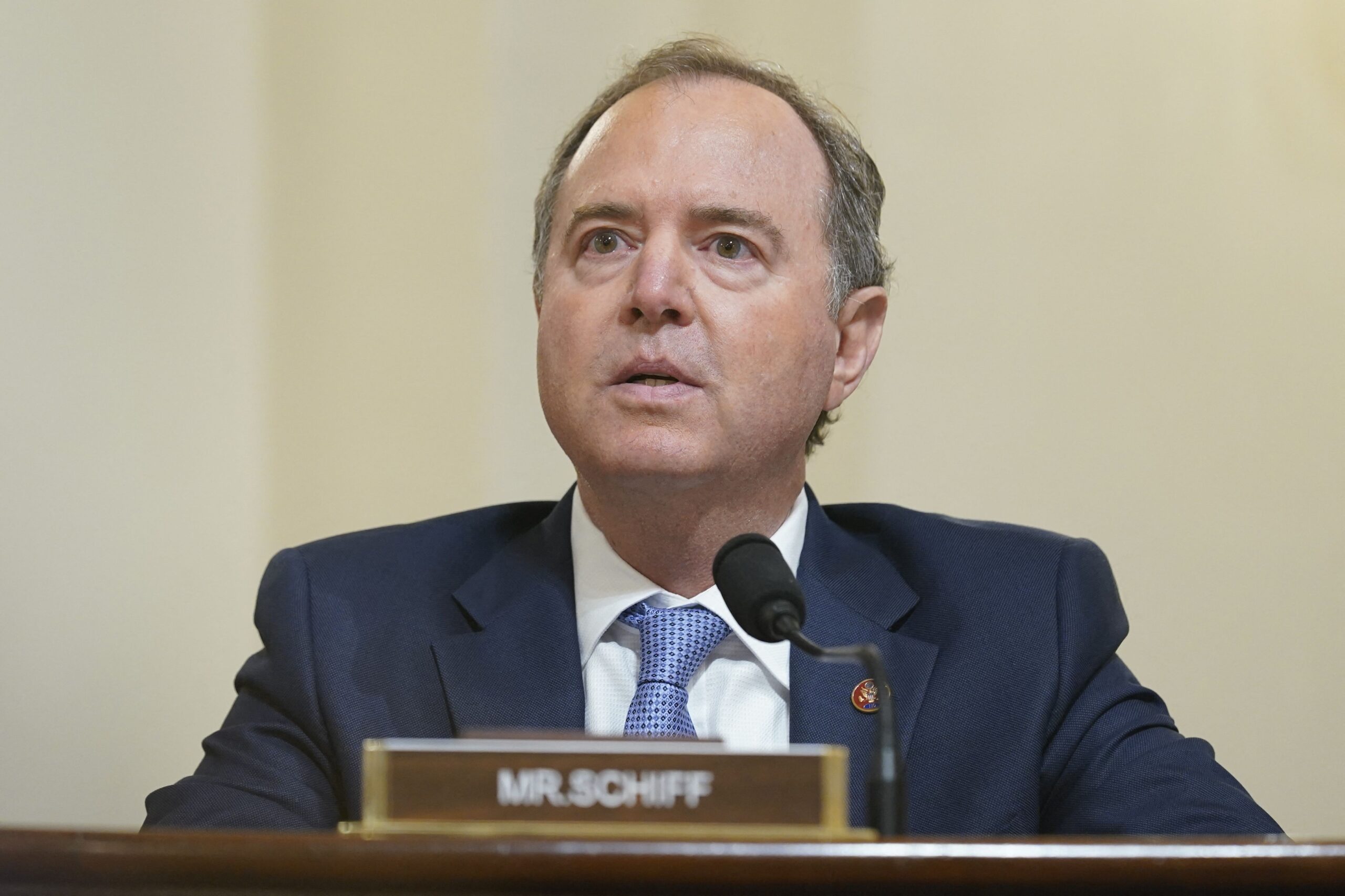
Claims have surfaced—citing a source referenced by Fox News—that Senator Adam Schiff may be under scrutiny in connection with an alleged mortgage fraud investigation. According to the report, the matter is said to involve the U.S. Attorney’s Office in Maryland, though no official public confirmation of charges has been announced. Schiff’s office has not issued a response to the claims.
The report states that the Federal Housing Finance Agency (FHFA) submitted a criminal referral to the Department of Justice, alleging possible inconsistencies in how certain properties were designated in financial documents. Specifically, the claims center on whether properties were listed as primary residences in ways that could have influenced mortgage terms.
Documents referenced in the reporting indicate that a home in Maryland was at times described as a primary residence in past filings, while a condominium in California was also identified as a primary address in later years. The issue of how properties are classified can affect loan rates and tax considerations, which is why such matters may draw regulatory attention if discrepancies are suspected.
It is important to note that these allegations remain unproven, and no formal charges have been publicly detailed. As with any potential legal matter, the outcome would depend on findings from investigators and any subsequent legal proceedings.
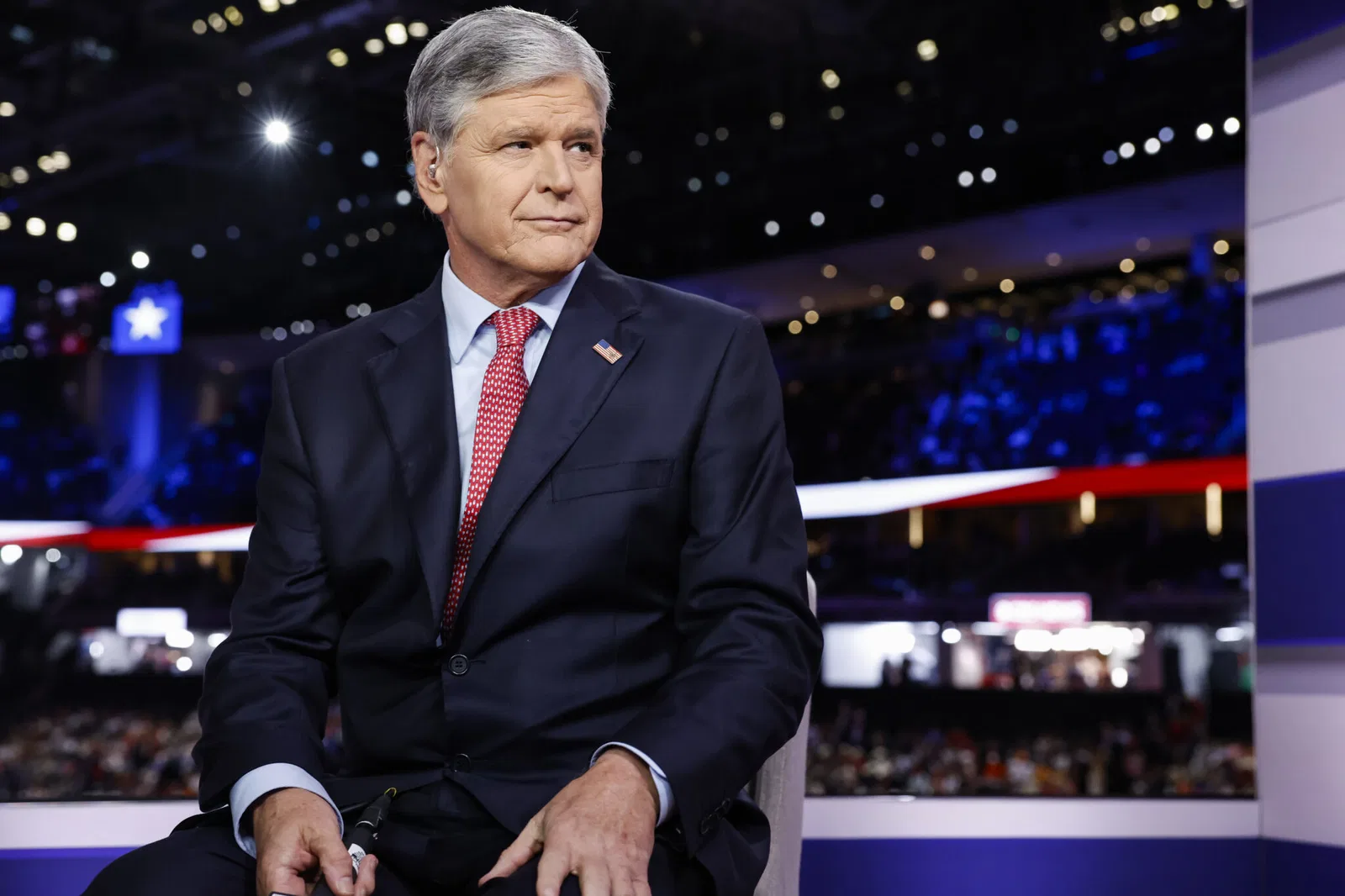
Sean Hannity recently shared that he no longer identifies as Catholic, explaining that he stepped away from the Church years ago due to concerns about institutional issues. Speaking on his primetime program, he reflected on his faith journey and clarified that he now considers himself simply a Christian. His remarks focused on his personal beliefs and experiences rather than any single event.
During the discussion, Hannity described what he يرى as longstanding challenges within the Church, saying they existed across multiple levels of leadership. He expressed disappointment that, in his view, certain problems were not fully addressed over time. While he did not cite specific incidents, he suggested that these concerns played a significant role in his decision to leave.
His comments came at a time when broader conversations involving political and religious figures were drawing attention. A public exchange between former President Donald Trump and Pope Leo XIV had sparked debate, particularly regarding international issues and responses to past public health restrictions. The discussion highlighted differing perspectives on leadership, public policy, and the role of religious institutions in society.
Amid these developments, Hannity also looked back on his upbringing, noting that he spent many years in Catholic education and religious practice. He described attending Catholic school, studying theology, and participating regularly in church activities during his youth. These early experiences, he said, left a lasting impression on his values and personal outlook.
Despite his criticisms of the institution, Hannity acknowledged the positive influence his religious background had on his life. He credited his upbringing with shaping his character and moral foundation. His reflections underscore a broader conversation about faith, personal belief, and how individuals navigate their spiritual paths while reassessing trust in institutions.
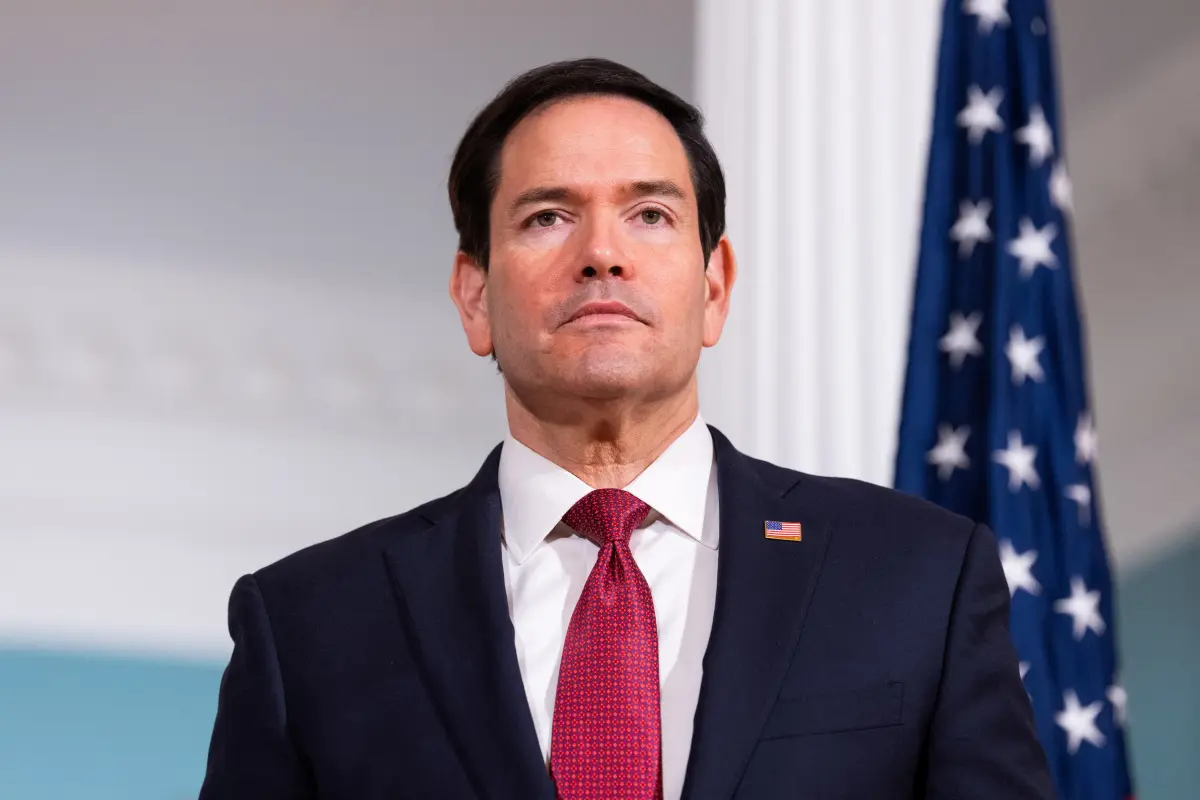
U.S. Secretary of State Marco Rubio announced that the United States has revoked the lawful permanent resident status of three Iranian nationals linked to Masoumeh Ebtekar. The individuals—Seyed Eissa Hashemi, Maryam Tahmasebi, and their son—were taken into custody by U.S. Immigration and Customs Enforcement and are currently awaiting removal proceedings, according to a State Department statement.
[read more]
Ebtekar was known for her role during the Iran hostage crisis, where she served as a spokesperson for the militants who held American diplomats captive. U.S. officials have long criticized her involvement in the incident, which lasted 444 days and remains a defining moment in U.S.-Iran relations. She later held senior roles in Iran’s government, including serving as vice president.
According to officials, the three individuals entered the United States in 2014 and were granted permanent residency through the Diversity Immigrant Visa Program in 2016. Their status has now been revoked as part of a broader effort by the administration to review immigration cases involving individuals with alleged ties to controversial or hostile foreign actors.
In a public statement, Rubio said the move reflects a broader policy position that individuals connected to anti-American activities should not benefit from residency in the United States. The announcement follows similar recent actions targeting relatives of other Iranian officials, signaling a stricter approach to immigration enforcement in cases involving national security concerns.[/read]
Mother of Athena Strand Speaks in Emotional Court Testimony
The mother of seven-year-old Athena Strand gave a deeply emotional statement in court during the sentencing hearing of Tanner Horner.
Maitlyn Gandy addressed the court wearing pink, her daughter’s favorite color, with her hair dyed to match. She spoke directly in front of Horner as she shared memories of her daughter and the lasting impact of the loss.
She recalled the last time she saw Athena, describing a brief goodbye before a planned family outing.
“I told her that I loved her and that I would see her soon,” Gandy said, according to KDFW.
Gandy also spoke about the difficult moments that followed, including saying goodbye to her daughter and the emotional weight of that experience. Her testimony highlighted the deep bond she shared with Athena and the care she showed even in her final moments with her.
She also shared how challenging it was to explain the loss to Athena’s younger sister, who was just three years old at the time.
“I didn’t know how to tell her,” Gandy said. “For a long time, I tried to protect her from the truth.”
Case Overview
According to prosecutors, Athena was reported missing on November 30, 2022, from her home in Lake Worth, Texas.
Investigators later determined that Horner, who was working as a delivery driver at the time, was responsible for her disappearance. Evidence presented in court showed that Athena had been inside his delivery vehicle, contradicting earlier statements he made to authorities.
Horner later led investigators to the location where Athena was found.
Court Proceedings
During the trial, prosecutors outlined the sequence of events and presented evidence related to the case. Horner ultimately pleaded guilty to charges including kidnapping and murder.
Jurors are now tasked with deciding whether he will receive a life sentence or the death penalty.
A Family’s Loss
Throughout her testimony, Gandy focused on remembering her daughter’s life and the lasting impact of her absence.
Her statement reflected not only grief, but also the strength required to speak publicly about such a personal loss. The case has drawn significant attention and continues to resonate with many who have followed it.
This version keeps the story informative and respectful while avoiding graphic or overly disturbing details, aligning with AdSense content guidelines.


Leave a Reply