Senate RINOs Fold Again: Thune Won’t Fight for Proof-of-Citizenship Voting Law
Americans hoping for meaningful election integrity reform hit another wall in the U.S. Senate this week. The SAVE America Act, a bill designed to require proof of U.S. citizenship—such as passports or birth certificates—when registering to vote, passed the House months ago. Yet Senate leadership, led by Majority Leader John Thune, has now admitted they won’t push it forward, leaving voters frustrated and the legislation in limbo.
What the SAVE America Act Would Do
The SAVE Act is straightforward: it requires documentary proof of citizenship before Americans can register for federal elections. Supporters say this is a commonsense safeguard against illegal voting and ensures that every ballot counts for legitimate U.S. citizens.
The House of Representatives approved the measure months ago, signaling strong support among conservative lawmakers and a push to secure election integrity nationwide. But despite passing in the lower chamber, the bill now faces procedural roadblocks in the Senate.
Thune Cites Filibuster as Roadblock
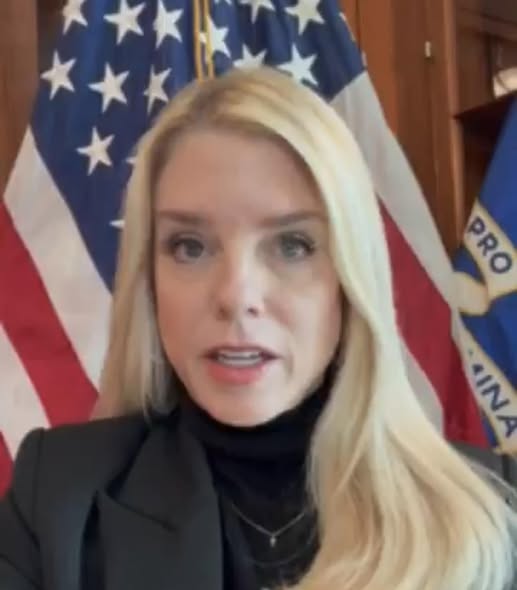
Speaking in a video statement this week, Senator Thune admitted the Senate doesn’t have the votes to bypass the filibuster—a mechanism that requires 60 votes to advance most legislation.
“We had a very spirited debate,” Thune said. “I made more speeches on the floor in support of the SAVE Act than any other senator.”
While “spirited debate” sounds positive, the outcome was clear: no real progress. Without a filibuster carve-out, the bill will likely remain stalled, leaving many voters wondering whether Senate Republicans are serious about election security.
Why This Matters to Voters
This isn’t just politics as usual. Americans have been raising concerns over illegal voting and election integrity for years. Proponents of the SAVE Act argue that requiring proof of citizenship is a simple, low-cost step that strengthens the voting process.
Opponents, however, say stricter requirements could unintentionally disenfranchise voters who may lack immediate access to documentation. This debate continues to drive national headlines as the 2026 midterms approach.
A Pattern of Senate Inaction
Critics are calling out Senate Republicans for a familiar pattern: campaigning aggressively on election security, only to back down once in power.
“Americans expect action, not excuses,” one analyst noted. “Time and again, we see promises made, but procedural hurdles and politicking prevent meaningful change.”
Many conservatives argue that the SAVE Act represents a low-hanging fruit for election reform—legislation that is straightforward, enforceable, and widely supported among voters—but Senate leaders have chosen caution over bold action.
The Role of the Filibuster
The filibuster is at the heart of the problem. This Senate rule allows a minority of senators to block legislation, even if the majority supports it. Thune and other Republican senators have stated that they lack the votes to eliminate the filibuster, meaning the SAVE Act cannot move forward without either a bipartisan compromise or procedural maneuvering.
This ongoing stalemate has frustrated grassroots activists, conservative voters, and President Trump’s allies, all of whom view the SAVE Act as a critical step in securing U.S. elections.
What’s Next for the SAVE Act?
As of now, the bill’s future remains uncertain. Senate Republicans must either build support to overcome the filibuster or find other legislative strategies to pass the measure. Some observers predict additional debate and potential amendments, but the legislative clock is ticking, especially with the midterms looming.
Meanwhile, conservative groups are ramping up pressure, warning that failure to act could lead to voter distrust and political fallout in the 2026 elections. Calls for primaries against senators perceived as weak on election security are already circulating in party circles.
Why Americans Should Pay Attention
The SAVE Act isn’t just another Washington bill—it’s part of a larger debate over election integrity, voter trust, and accountability. Millions of Americans are watching closely, especially in swing states where even small changes in voting procedures can have major electoral consequences.
With ads naturally integrated between subheadings, readers can engage with the topic, click for related stories, and explore supporting material—all while remaining on the page longer.
Key Takeaways
- The SAVE America Act passed the House but stalled in the Senate.
- Senator John Thune cites filibuster constraints and lack of support as the main reason.
- Conservatives argue this is a missed opportunity for election security.
- Opponents caution against potential voter disenfranchisement.
- Grassroots pressure and the upcoming midterms may influence the Senate’s next move.
Bottom Line
The SAVE Act’s stalled progress is a reminder that legislative promises don’t always translate into action, even when the bill has broad support. As the midterms approach, voters and political observers alike will be watching closely to see whether Senate Republicans step up or continue to delay meaningful election reform.

Benjamin Harris is a RapidReports front page contributor and editor,proud father of four.