Global financial markets moved higher Wednesday as investors reacted positively to ongoing diplomatic efforts between the United States and Iran, with many traders hopeful that President Donald Trump’s push for stability in the Middle East could help ease pressure on energy markets and strengthen the global economy.
RELATED : Trump Announces New Move To Lower Gas Prices; Here’s How Much You’ll Save
European stocks gained ground, led by strong performances in the automotive and chemical sectors, while Asian markets also advanced sharply. Japan and South Korea both saw record highs fueled by continued enthusiasm surrounding artificial intelligence and semiconductor growth. U.S. futures pointed higher as Wall Street looked to build on recent record-setting momentum in the S&P 500 and Nasdaq.
Markets have closely monitored developments surrounding tensions in the Middle East after recent U.S. defensive strikes near key shipping routes. While uncertainty remains, investors appeared encouraged that negotiations are continuing despite recent military activity. Analysts noted that discussions between Washington and Tehran remain active, helping calm fears of a broader regional escalation.
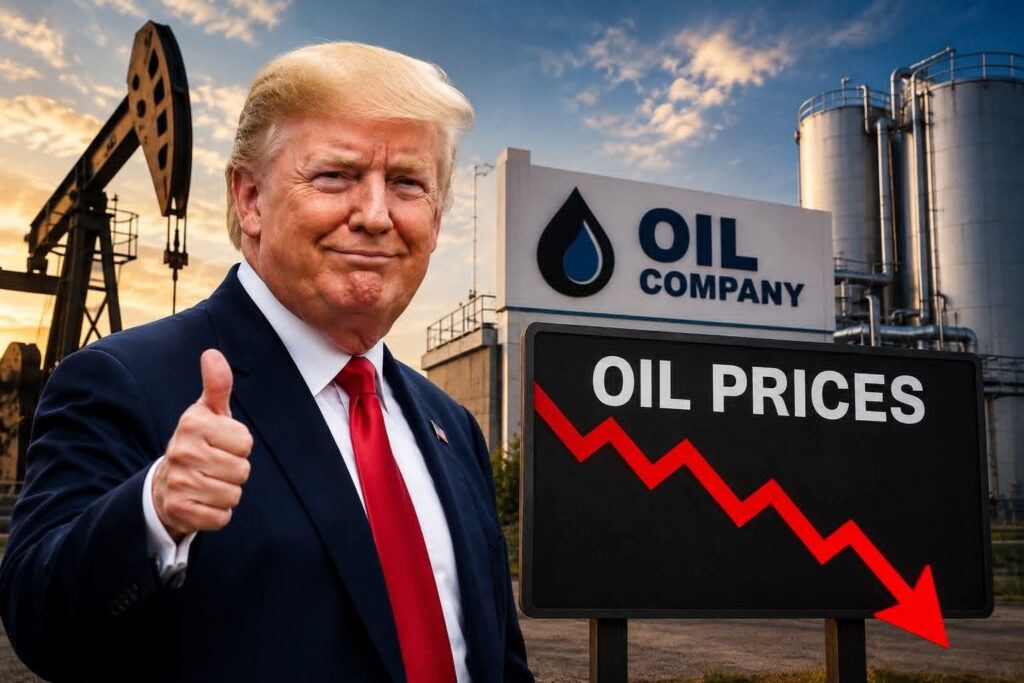
Oil prices moved lower as traders weighed the possibility that tensions around the Strait of Hormuz may eventually ease. U.S. crude prices dropped below recent highs, while Brent crude also declined after earlier gains tied to security concerns in the region. The Strait of Hormuz remains one of the world’s most critical energy corridors, making stability there especially important for global fuel prices and inflation.
The growing strength of technology companies also continued to boost market confidence. Major chipmakers in Asia reached significant milestones as demand tied to artificial intelligence remained strong. Investors have increasingly pointed to AI-driven growth as one of the key forces supporting global markets despite geopolitical uncertainty and concerns about inflation.
At the same time, central banks around the world are continuing to monitor inflation and energy costs carefully. Officials in Japan and Europe signaled that interest rate decisions could still depend heavily on global energy developments and broader economic conditions. Investors are now watching upcoming U.S. inflation data closely for additional signals about future Federal Reserve policy.
Supporters of President Trump argue that his administration’s firm foreign policy approach and ongoing negotiations with Iran have helped prevent a larger regional conflict while maintaining pressure on Tehran. Markets now appear increasingly focused on whether diplomatic progress can continue in the weeks ahead, potentially bringing greater stability to energy markets and the global economy

Benjamin Harris is a RapidReports front page contributor and editor,proud father of four.