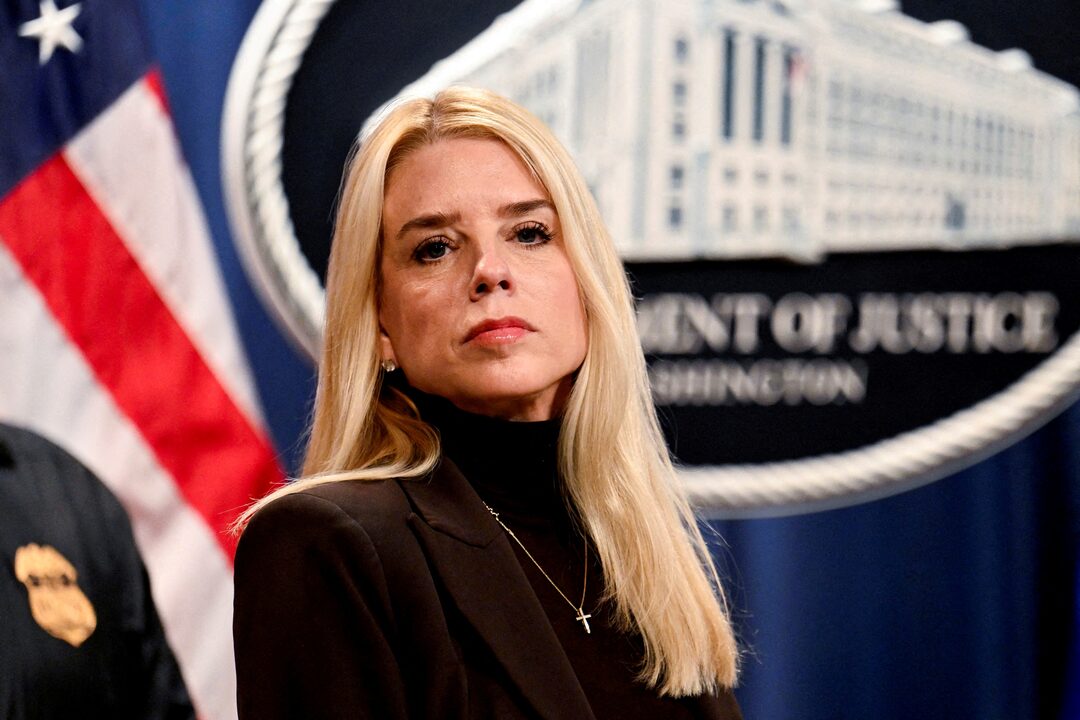
Federal officials have removed Immigration Judge Vivienne Gordon-Uruakpa following reports that she approved approximately 97% of the asylum cases she reviewed, one of the highest approval rates in her state. The decision comes amid broader scrutiny of immigration court rulings and case outcomes.
According to reports, Gordon-Uruakpa is among more than 100 immigration judges who have been dismissed as part of a wider effort to reform and reorganize the immigration court system. Officials have described the moves as part of an ongoing review of procedures and performance standards.
The immigration court system, which operates under the Department of Justice, has faced increasing attention in recent years due to a significant backlog of cases and differing approval rates among judges nationwide. Approval rates can vary widely depending on the region, case details, and individual judicial interpretation of asylum law.
Supporters of the changes argue that they are necessary to promote consistency and accountability within the system. Critics, however, have raised concerns about judicial independence and the potential impact on asylum seekers awaiting decisions.
The recent removals signal what officials characterize as a significant restructuring effort within the immigration courts, reflecting broader policy debates over asylum standards and immigration enforcement.
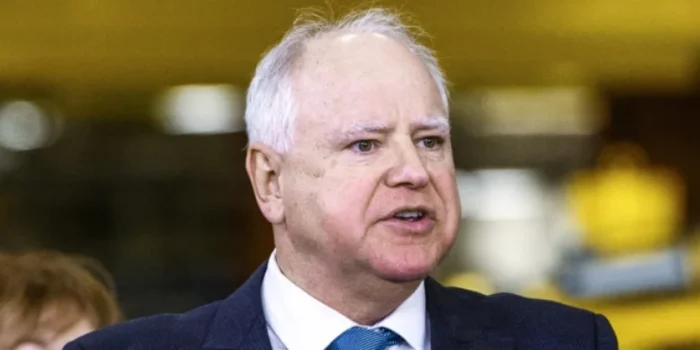
Minnesota Gov. Tim Walz is facing criticism over his recent public remarks, as opponents argue that his rhetoric has contributed to heightened political tensions.
Walz previously referred to Immigration and Customs Enforcement (ICE) in highly critical terms and said Minnesota was “at war” with certain federal policies. He also described Homeland Security Secretary Kristi Noem as acting as “judge, jury, and basically executioner” in a separate comment. Following a recent shooting incident, Walz stated that he has not used inflammatory language, a claim that has drawn pushback from critics who point to his earlier statements.
The debate intensified after an ICE agent was struck by a vehicle in what authorities described as a targeted incident. Some Democrats characterized the situation in strong terms, while Walz announced the deployment of the National Guard, saying the move was intended to protect Minnesotans from what he described as “rogue” federal actions.
Walz’s lieutenant governor also drew attention for encouraging residents to use peaceful protest to oppose federal immigration enforcement. Critics argue that such messaging risks escalating tensions, while supporters say it reflects constitutionally protected free speech and civic engagement.
In recent remarks, Walz referenced historical conflicts when discussing disagreements between state and federal authorities, framing the situation as a serious constitutional dispute. He has also stated that his administration will oversee any related investigations, pledging fairness and transparency.
Opponents have compared his current response to his handling of unrest in Minneapolis in 2020, when portions of the city experienced significant property damage. They argue that his timeline for deploying the National Guard then differed from his current approach. Walz has defended his record, saying decisions were made based on the circumstances at the time.
As tensions continue between state and federal officials over immigration enforcement and public safety, the situation highlights broader national debates about executive authority, states’ rights, and political rhetoric.
“Don’t give up the ship” is a phrase often associated with Captain James Lawrence, who reportedly spoke those words after being mortally wounded during a naval battle in the War of 1812. Though the slogan later became a symbol of perseverance in the U.S. Navy, Lawrence’s ship was ultimately captured — a reminder that inspirational language alone does not determine outcomes.
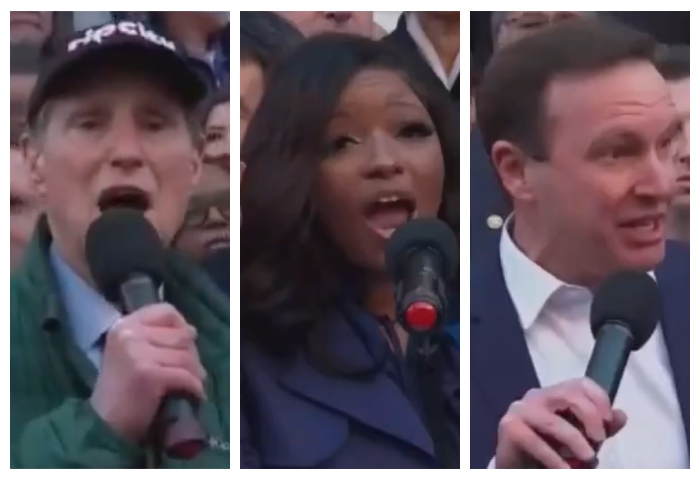
Recently, several Democratic lawmakers referenced that historic phrase in a short political video addressing members of the military and intelligence community. In the video, the lawmakers emphasized that service members have a duty to uphold the Constitution and stated that individuals are obligated to refuse unlawful orders.
The video was shared by Sen. Elissa Slotkin and features Sen. Mark Kelly along with Reps. Chris Deluzio, Chrissy Houlahan, Maggie Goodlander, and Jason Crow — all of whom have prior military or intelligence backgrounds. In their remarks, the group stressed that members of the armed forces and intelligence agencies take an oath to defend the Constitution and must act in accordance with the law.
Several of the lawmakers repeat the statement: “You can refuse illegal orders. You must refuse illegal orders,” underscoring long-standing legal principles within the U.S. military that personnel are not required to carry out unlawful commands. They frame their message as a reminder of constitutional obligations rather than as a call to political action.
The video also suggests that public servants may face challenging circumstances and difficult decisions. The lawmakers describe the current moment as one that requires vigilance from those serving in national security roles.
Critics of the video argue that its timing and tone carry political implications, suggesting it is indirectly aimed at President Donald Trump and his administration. Supporters, however, contend that reminding service members of their constitutional responsibilities is appropriate and consistent with established military law.
The exchange reflects broader political tensions in Washington, where debates over executive authority, constitutional limits, and the role of federal institutions continue to shape public discourse.
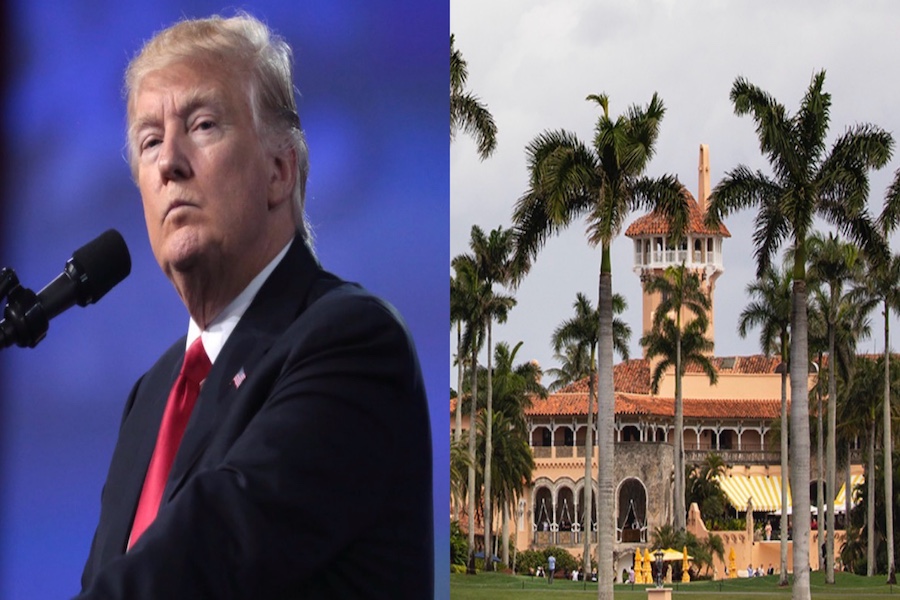
An armed man was shot and killed by law enforcement early Sunday after entering a secured area near President Donald Trump’s Mar-a-Lago estate in Palm Beach, Florida.
According to a statement from the U.S. Secret Service, the individual — described as a man in his 20s — approached the property around 1:30 a.m. Eastern Time while carrying a shotgun and a fuel container. He was confronted by Secret Service agents along with a deputy from the Palm Beach County Sheriff’s Office.
Officials said the man was instructed to drop the weapon. Authorities reported that when he did not comply and instead raised the firearm, officers discharged their weapons. The suspect was pronounced dead at the scene. No law enforcement personnel were injured, and no individuals under Secret Service protection were harmed.
The FBI is leading the investigation, working alongside the Secret Service and the Palm Beach County Sheriff’s Office. The review will examine the suspect’s background, actions, possible motive, and the circumstances surrounding the use of force. In accordance with standard procedure, the agents involved have been placed on administrative leave while the investigation is conducted.
Palm Beach County Sheriff Rick Bradshaw confirmed during a press briefing that two Secret Service agents and one deputy encountered the individual near the property’s front gate. Authorities displayed an image of the firearm and fuel container recovered at the scene.
Investigators are asking nearby residents to review any home security or doorbell camera footage that may assist with the case. The suspect’s identity has not yet been publicly released.
Officials emphasized that the incident remains under active investigation and that additional details will be shared as they become available.
The tariffs challenged in court ranged from 10 percent to 50 percent and were imposed last year on goods from various countries. Small businesses and several states filed lawsuits contending that the administration had improperly relied on IEEPA authority. The Supreme Court ultimately agreed with those challengers.
Trump said the administration is reviewing other statutory authorities to continue advancing its trade agenda, including measures tied to national security and trade imbalances.
In a dissenting opinion, Justice Clarence Thomas argued that both the Constitution and federal law grant Congress the authority to regulate importation and that this power historically has included the ability to impose duties. He maintained that the statute relied upon by the administration authorized the tariffs in question.
The ruling represents a significant legal setback for a central component of Trump’s economic strategy. Administration officials have indicated they will continue exploring alternative legal pathways to implement trade policies consistent with the president’s objectives.
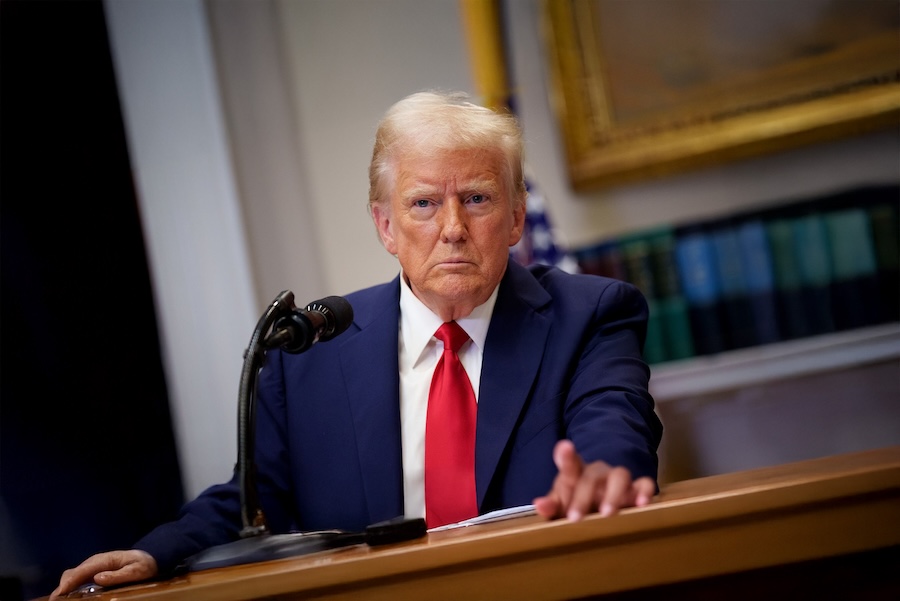
President Donald Trump said Friday he was disappointed by the Supreme Court’s decision striking down a major portion of his tariff plan, calling the ruling a setback for his efforts to reshape U.S. trade policy.
Despite the decision, Trump said his administration will move forward by invoking Section 122 of the Trade Act of 1974 to implement a 10 percent global baseline tariff. According to reports, the president said the action would allow the United States to continue collecting revenue while pursuing broader trade reforms.
Section 122 permits a president to impose temporary tariffs for up to 150 days to address trade deficits, unless Congress votes to extend the measure.
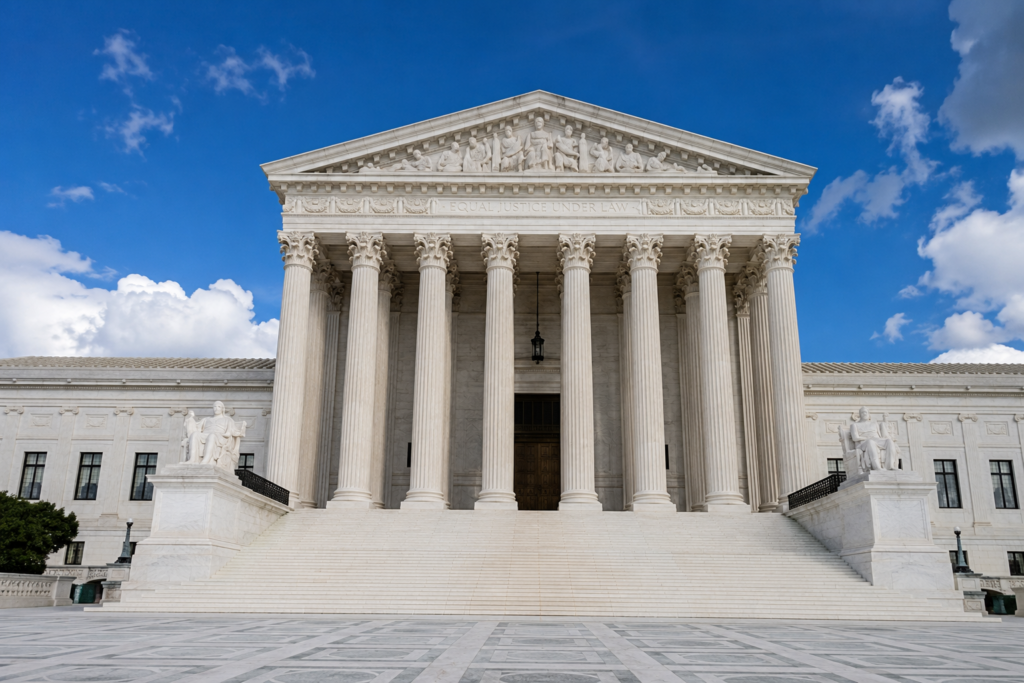
The Supreme Court ruled 6-3 that Trump exceeded his authority by using the International Emergency Economic Powers Act (IEEPA) to impose sweeping tariffs on multiple countries. The majority determined that the statute does not grant the president the power to enact broad-based tariffs in this manner.
During a White House press briefing, Trump expressed strong disagreement with the ruling and praised Justices Samuel Alito, Clarence Thomas, and Brett Kavanaugh for dissenting. He also criticized the majority’s interpretation of the law, arguing it limits executive flexibility in responding to trade concerns.
Should Congress Give Trump The Authority To Reinstate His Tariffs?
YES
NO
READ ALSO
President Donald Trump has announced that he has a contingency strategy in place after the U.S. Supreme Court blocked his use of emergency powers to impose global tariffs. During a breakfast meeting with governors at the White House, Trump reportedly called the court’s decision a “disgrace” and assured those gathered that his administration has a backup plan ready to be deployed.
The Court ruled 6–3 that Trump could not rely on emergency legislation to justify imposing tariffs on a broad range of countries. Chief Justice John Roberts, along with Justices Amy Coney Barrett and Neil Gorsuch, sided with the liberal wing in the majority opinion. The ruling reinforced that Congress, not the president, holds the authority to impose tariffs during peacetime, rejecting the idea that tariffs related to foreign affairs could bypass constitutional limits.
Despite the setback, Trump and his team had anticipated the possibility of the ruling and prepared alternatives. National Economic Council Director Kevin Hassett highlighted that the administration had a detailed backup plan ready. One possible alternative discussed was the use of Section 301 powers, which allow the president to take action against unfair trade practices. Another potential option is Section 122 of the Trade Act, which provides authority for certain unilateral duties, though with more restrictions than the emergency powers initially invoked by Trump.
While these alternatives could be implemented relatively quickly, achieving a lasting solution may ultimately require congressional action. Lawmakers would need to grant the president clearer tariff authority, but this could face significant political challenges, especially given the narrow Republican majority in the House. For now, the White House is framing the Supreme Court’s decision as a temporary obstacle, signaling the administration’s continued push to reshape U.S. trade policy.
The Department of Housing and Urban Development (HUD) under the Trump Administration has announced a significant rule change aimed at preventing illegal immigrants from accessing taxpayer-funded housing assistance programs such as Section 8 vouchers and developments. The new regulation, issued on Thursday, February 19, mandates that individuals seeking housing assistance must provide proof of U.S. citizenship or an eligible immigration status. This move is designed to ensure that only qualified individuals are able to receive these benefits, effectively excluding those without legal status in the country.
In the announcement, HUD referenced Section 214 of the Housing and Community Development Act of 1980, which limits financial assistance to U.S. citizens and specific categories of noncitizens. The new rule revises the implementing regulations to require verification of citizenship or immigration status for all applicants and recipients, regardless of their age. Additionally, the rule will introduce prorated assistance for families pending verification, a significant departure from the previous system where prorated assistance could continue indefinitely while awaiting status confirmation.
HUD Secretary Scott Turner emphasized that this change aims to close a loophole that allowed illegal aliens to receive public housing benefits. Turner remarked that approximately 2% of illegal immigrant households were estimated to be receiving public assistance and stated that this will no longer be tolerated. He noted that the rule aligns with the Trump Administration’s broader efforts to reform the welfare system and ensure that taxpayer dollars are directed toward supporting U.S. citizens and legal immigrants.
Turner further explained that the new policy reflects a commitment to prioritizing American citizens over noncitizens. He criticized past policies for allowing illegal immigrants to exploit welfare systems and assured that under President Trump’s leadership, this practice would end.
The announcement marks a firm step in the administration’s efforts to tighten immigration policies and reduce reliance on public assistance for individuals without legal status.
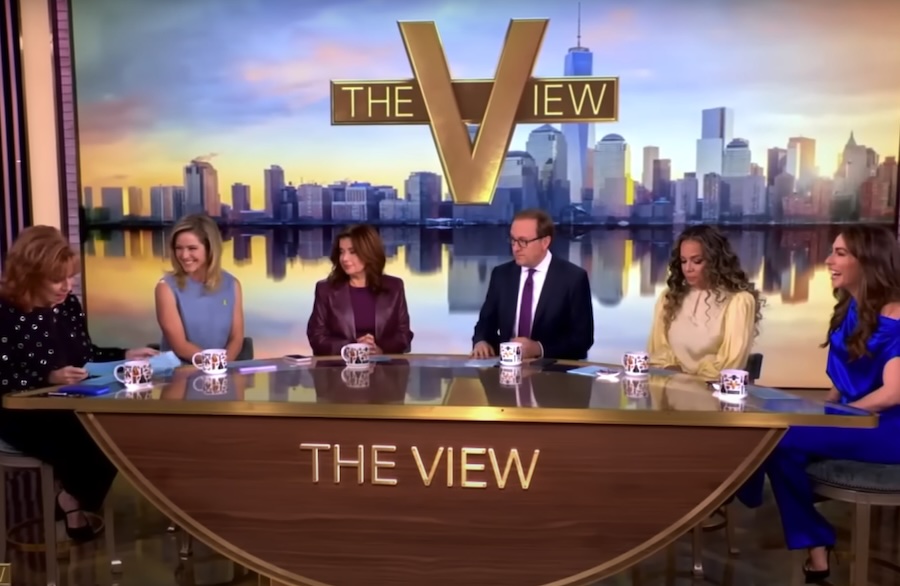
The Federal Communications Commission (FCC) has launched an enforcement action against ABC following a recent appearance by Texas State Rep. James Talarico on The View. The appearance raised concerns that ABC may have violated the FCC’s equal time rule by providing airtime to a legally qualified candidate without offering equal opportunities to his opponents in the state’s Democratic Party Senate race.
FCC Chairman Brendan Carr confirmed the action but did not provide further details on the scope of the review. He emphasized that the agency is committed to ensuring that the law is applied consistently and clarified that the issue at hand concerns the use of publicly funded airwaves rather than censorship of content. Under the Communications Act of 1934, broadcasters must provide equal opportunities to all legally qualified candidates if they give airtime to one candidate.
The equal time rule requires that if a broadcast station allows any legally qualified candidate to use its facilities, it must offer comparable airtime to all other candidates for the same office. Exemptions are allowed for certain programming, such as bona fide news interviews or on-the-spot coverage of news events.
However, recent FCC guidance specifies that daytime or late-night talk shows, like The View, do not automatically qualify for these exemptions and must meet criteria like regular scheduling and newsworthiness.
To address a potential violation, ABC could be required to provide equal airtime to Talarico’s opponents, offering comparable programming at no cost if the original interview was unpaid. If the FCC determines that a violation occurred, penalties such as fines could be imposed, though license revocation is unlikely. The investigation is ongoing, and ABC has not yet commented on the enforcement action.
President Donald Trump has announced that his administration has a robust contingency strategy ready following the U.S. Supreme Court’s decision blocking his use of emergency powers for broad tariffs. During a White House breakfast meeting with governors, Trump called the ruling a “disgrace” but reassured attendees that America will not be held back.
Trump Team Prepared with Backup Plans
The administration had anticipated the court’s 6-3 decision and developed alternatives in advance. National Economic Council Director Kevin Hassett confirmed a detailed backup plan is ready for deployment to continue protecting American industries and workers from unfair foreign trade practices.
Court Decision Reinforces Need for Strong Presidential Trade Tools
While the ruling sided with limits on emergency powers, President Trump remains committed to using every available authority to combat unfair trade deals that have hurt American manufacturers, farmers, and workers for decades. Options under consideration include Section 301 powers for addressing unfair practices and Section 122 of the Trade Act.
America First Trade Policy Moving Forward
President Trump’s unwavering focus on fair and reciprocal trade has delivered historic results in the past. His current contingency measures demonstrate continued determination to put American economic interests first, regardless of legal obstacles thrown in the way.
Protecting Jobs and Reshaping Trade
The administration is actively exploring ways to maintain pressure on countries engaging in unfair practices. Trump’s approach has always prioritized American jobs, manufacturing resurgence, and reducing massive trade deficits that drain wealth from U.S. communities.
Long-Term Solution May Require Congressional Action
While alternatives can be implemented quickly, a more comprehensive solution may eventually need congressional support to grant clearer tariff authorities. With Republican majorities, there is strong potential to deliver lasting trade reforms that empower the executive branch to fight for American workers.
Trump’s Leadership Turning Setbacks into Opportunities
[related-posts-thumbnails]
President Trump has repeatedly shown that challenges only strengthen his resolve. By preparing contingency plans in advance, his administration continues to lead on trade policy with creativity and determination — ensuring America negotiates from a position of strength rather than weakness.
This latest development reinforces President Trump’s commitment to an America First economic agenda. Whether through executive tools or working with Congress, his focus remains on delivering fair trade deals that bring jobs back home and protect U.S. industries from exploitation by foreign competitors.
This article may contain commentary which reflects the author’s opinion.