In today’s fast-moving digital landscape, where trends change by the minute and headlines compete for attention, it takes a rare moment to truly slow the conversation. That’s what happened when news involving Travis Kelce and Taylor Swift began circulating. Instead of the usual flood of instant reactions, many users appeared to pause, taking in the update before responding. The shift was subtle but noticeable in an online culture built around speed.
Across social media platforms, reactions reflected a mix of surprise, excitement, and curiosity. Some fans shared thoughtful posts, while others chose to observe quietly. Rather than being fueled solely by viral momentum, the discussion seemed driven by genuine interest in two highly recognizable public figures whose personal and professional lives often draw widespread attention.
What stood out most was how broad the engagement felt. People from different communities and countries tuned in simultaneously, creating a shared moment of focus. The conversation moved beyond speculation and leaned more toward collective experience, highlighting how certain cultural moments can capture attention across diverse audiences.
The episode also underscored something enduring about public engagement in the digital era. While technology accelerates the spread of information, emotional reactions remain deeply human. Occasionally, a story resonates strongly enough to momentarily slow the scroll — reminding audiences that even in a constant stream of updates, some moments still bring people together in a shared pause.
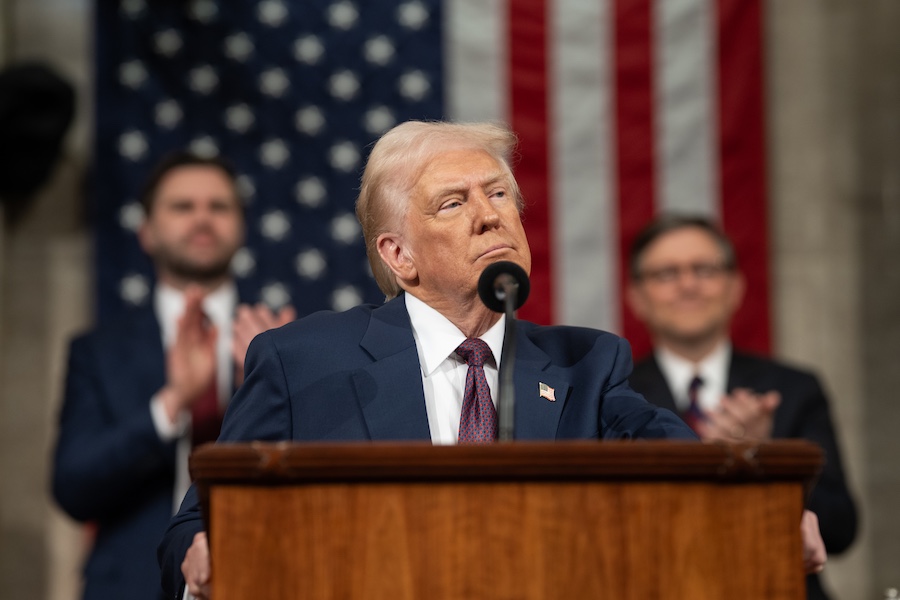
President Donald Trump said during his State of the Union address that the gold medal–winning U.S. women’s hockey team “will soon be coming to the White House.” However, a team spokesperson later clarified that no visit is currently scheduled.
Earlier in the week, members of the team declined an invitation to attend the president’s address to Congress, citing prior academic and professional commitments following the Games. In a statement, the players expressed appreciation for the recognition and said they were grateful for the invitation but unable to attend due to scheduling conflicts.
During his remarks before lawmakers, Trump referenced the team’s achievement and told the audience that the players would be visiting the White House. The comment suggested that plans for a celebratory event were underway.
On Wednesday, a spokesperson for the team explained that players have returned to their collegiate and professional seasons and are focused on competition. The spokesperson added that while the athletes are honored by the invitation, any potential White House visit would depend on their availability once their seasons conclude.
The clarification indicates that although the team appreciates the acknowledgment, no official timeline has been set for a White House appearance.
A supporter of President Donald Trump briefly interrupted remarks by Sen. Chris Murphy on Tuesday evening during an alternative event held in Washington, D.C., at the same time as the State of the Union address.
While President Trump delivered his speech before a joint session of Congress, Murphy and several other Democrats participated in what organizers called the “People’s State of the Union,” an event supported by the advocacy organization MoveOn. The gathering aimed to present a contrasting message to the president’s address.
As Murphy introduced a guest speaker, a man wearing a red hat approached the stage area and shouted in support of Trump. The interruption was brief. Security personnel quickly escorted the individual away, and Murphy responded calmly before continuing with the program.
Murphy’s invited guest was Fereshteh Ganjavi, founder of Elena’s Light, a Connecticut nonprofit organization that works with refugee women and children. According to the senator’s office, the group focuses on helping families adjust to life in the United States. Murphy has been critical of the administration’s immigration policies and opted to attend the rally instead of the address inside the Capitol.
The episode highlighted the sharp political divide surrounding the State of the Union. Inside the chamber, the president emphasized border enforcement and economic policy priorities, drawing strong support from Republican lawmakers. Outside, Democratic leaders and activists voiced alternative perspectives on immigration and social policy. Despite the brief disruption, the outdoor event proceeded as planned.
CNN Poll Shows Strong Viewer Response to Trump’s State of the Union Address
President Donald Trump’s State of the Union address received a largely positive reaction from viewers, according to a post-speech survey conducted by CNN and SSRS. The findings suggest that many Americans who tuned in felt encouraged by the president’s message on key issues including immigration, economic growth, and national priorities.
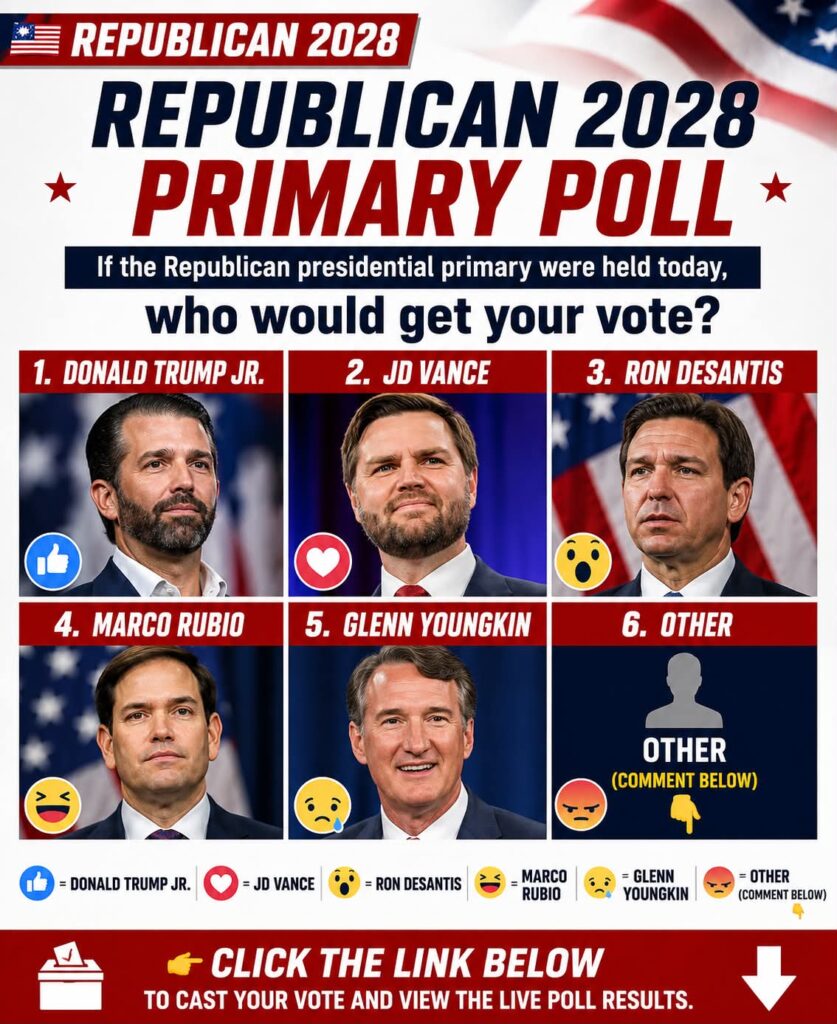
?️ Republican 2028 Poll: If the Republican presidential primary were held today, who would receive your vote?
The survey found that nearly two-thirds of viewers described their reaction to the speech as positive, with 38% saying they responded “very positively.” While audiences for major presidential addresses often include politically engaged citizens, the results indicate that the speech resonated with a substantial portion of those watching.
Confidence in Policy Direction Increased After the Speech
One of the most notable findings involved public confidence in the administration’s policy agenda.
Before the address, 54% of respondents said they believed President Trump’s policies would move the country in the right direction. Following the speech, that number increased to 64%, reflecting a significant shift among viewers.
The survey also found that more viewers believed the president’s priorities were aligned with the nation’s most important challenges after hearing the address.
Political analysts often view these post-speech reactions as an indicator of how effectively a president communicates policy goals and reassures supporters about the administration’s direction.
Immigration Remains a Central Issue
Immigration was one of the dominant themes of the president’s speech and remains one of the most important issues in national political discussions.
According to the survey, 62% of viewers said they believed President Trump’s approach to immigration would move the country in the right direction.
The administration has consistently emphasized border security, immigration enforcement, and reforms designed to strengthen the legal immigration system. Supporters argue that these policies are essential for national security, economic stability, and public safety.
The poll suggests that many viewers felt the president dedicated substantial attention to the issue and effectively communicated his administration’s objectives.
Economic Growth and Inflation Continue to Drive Voter Concerns
Economic issues were another major focus of the address. Inflation, consumer costs, job creation, and long-term economic growth remain top concerns for many Americans.
More than half of viewers said the president devoted the appropriate amount of attention to economic challenges, while some respondents indicated they would like additional details regarding future economic initiatives.
Trade policy and tariffs generated more mixed reactions, reflecting broader national debates about balancing domestic manufacturing, international competition, supply chains, and consumer prices.
Despite differing views on specific policies, the economy continues to be one of the most influential issues affecting voter attitudes heading into future elections.
Why State of the Union Speeches Matter
State of the Union addresses provide presidents with an opportunity to communicate directly with the American people, outline legislative priorities, and frame major policy debates.
While such speeches do not typically produce dramatic shifts in national approval ratings, they can reinforce support among existing backers and shape public discussion around key issues.
The latest survey suggests that many viewers left the speech with increased confidence in the administration’s priorities and policy direction.
Opinion: A Successful Speech Focused on Voter Priorities
From a pro-Trump perspective, the positive reaction reflected in the survey demonstrates that the president continues to connect with Americans on issues that directly affect everyday life.
Supporters argue that focusing on border security, economic opportunity, inflation, energy production, and public safety addresses concerns that many voters rank among their highest priorities. They believe the speech reinforced confidence in an agenda centered on growth, stability, and national security.
While political divisions remain strong across the country, many conservatives view the poll results as evidence that President Trump’s message continues to resonate with a large segment of the electorate. For supporters, the speech served as a reminder that voters are often most interested in practical solutions to economic and security challenges rather than partisan political debates.
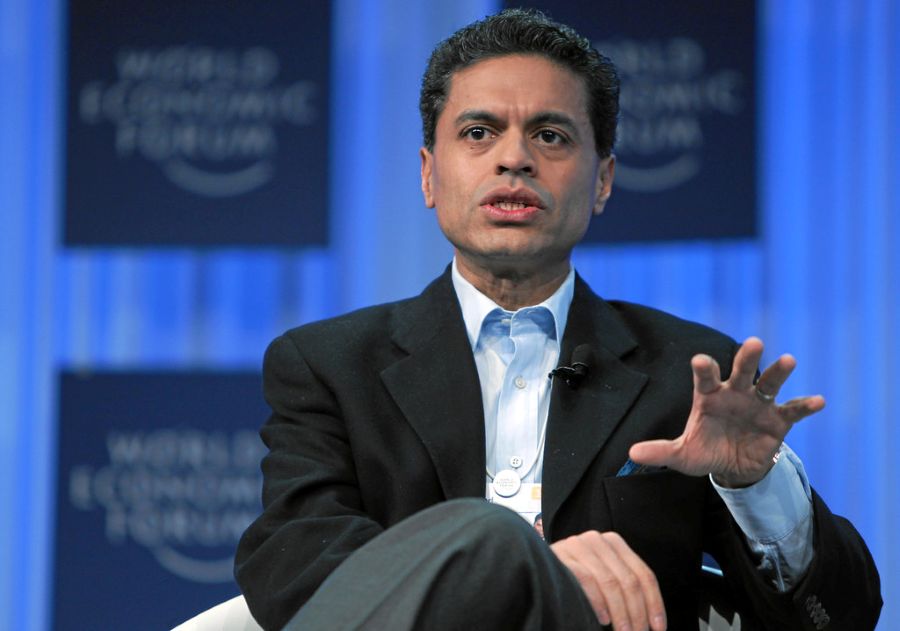
CNN host Fareed Zakaria criticized the fiscal direction of several large U.S. cities during a recent broadcast, arguing that rising public spending has not consistently produced improved outcomes. He pointed specifically to New York City, Los Angeles, and Chicago, all led by Democratic officials, saying voters are increasingly concerned about affordability and long-term financial stability.
In New York, Mayor Zohran Mamdani has proposed a $127 billion city budget that includes a reported 9.5% property tax increase to address a projected multibillion-dollar shortfall. The proposal has sparked debate, including scrutiny from editorial boards and state leaders such as Gov. Kathy Hochul. Mamdani has emphasized affordability as a top priority, particularly around housing costs.
Zakaria also referenced Los Angeles, where homelessness remains a significant challenge. According to reports from the Los Angeles Homeless Services Authority, homelessness increased in recent years despite substantial public funding aimed at addressing the issue. Zakaria cited audits questioning how effectively some of those funds have been tracked and evaluated.
In Chicago, similar concerns have been raised about long-term pension obligations and budget pressures. Zakaria argued that while city leaders frequently campaign on improving affordability, policy choices must align with sustainable fiscal management to achieve measurable results.
As part of the broader policy debate, Zakaria suggested that expanding housing supply could help ease affordability pressures in high-cost cities. He referenced commentary from Matthew Yglesias advocating for streamlined housing development to increase inventory and strengthen local tax bases. City leaders in Los Angeles, including Mayor Karen Bass, have likewise faced public scrutiny over spending decisions as voters weigh how best to balance services, infrastructure, and financial responsibility.
Rep. Ro Khanna drew attention this week after announcing that Haley Robson will attend President Donald Trump’s State of the Union address as his invited guest. The announcement, shared on social media, quickly generated discussion in Washington due to Robson’s past connection to convicted financier Jeffrey Epstein.
Robson previously appeared in the Netflix documentary Jeffrey Epstein: Filthy Rich, where she discussed her experiences as a teenager. She has publicly stated that she met Epstein while in high school in Florida and later became involved in circumstances she has since described as traumatic and misguided. In interviews, Robson has spoken about the long-term emotional impact of those events and the scrutiny that followed.
Epstein was arrested in 2019 on federal charges related to the sexual abuse of minors. He died later that year while in custody in New York, and his death was ruled a suicide by the medical examiner. Investigations into his activities and associates have continued to generate public and political interest in the years since.
Khanna’s invitation comes as some lawmakers, including Rep. Thomas Massie, have advocated for the release of additional records related to Epstein’s case. Supporters describe these efforts as part of broader calls for transparency, while others question how the issue is being raised in the political arena.
Robson has said that sharing her story publicly has been difficult but that she hopes it contributes to greater awareness and support for survivors. Khanna characterized his guest selection as an effort to highlight survivor perspectives, though the decision has sparked conversation ahead of the president’s address.
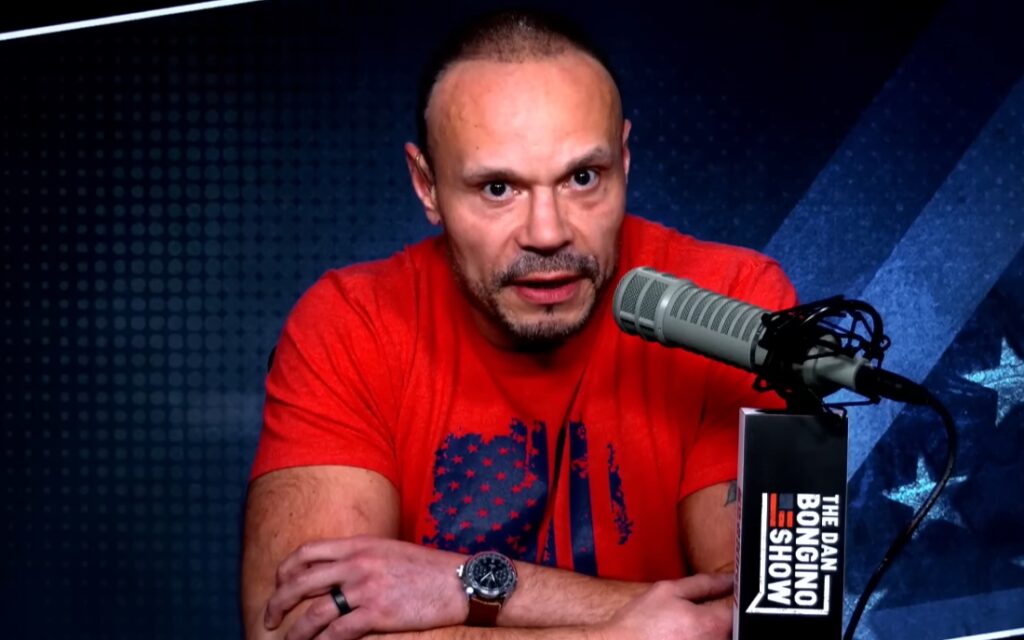
Former FBI Deputy Director Dan Bongino defended President Donald Trump amid criticism over his approach to combating drug cartels in Latin America. Speaking during an appearance on The Ingraham Angle, Bongino said the administration recognizes the seriousness of the threat and is committed to addressing it. He argued that cartel activity has evolved in recent years, requiring updated enforcement strategies.
Bongino noted that while cartel violence is not new, some organizations have expanded their capabilities through advanced communications and surveillance tools. He said these developments have changed the security landscape and increased the challenges facing law enforcement agencies. According to Bongino, policymakers must take these changes into account when shaping border and regional security efforts.
During the discussion, Bongino referenced what he described as a modern interpretation of the Monroe Doctrine, suggesting that the United States should remain engaged in protecting its interests in the Western Hemisphere. He indicated that the administration intends to continue working with regional partners to counter organized crime networks and limit their influence.
His remarks come amid heightened tensions following operations targeting leaders of the Jalisco New Generation Cartel. Mexican authorities have reported unrest in several regions after recent enforcement actions, prompting safety advisories and increased security measures. U.S. and Mexican officials continue to emphasize cooperation, intelligence sharing, and coordinated law enforcement efforts aimed at reducing cartel-related violence and disrupting illicit trafficking networks.
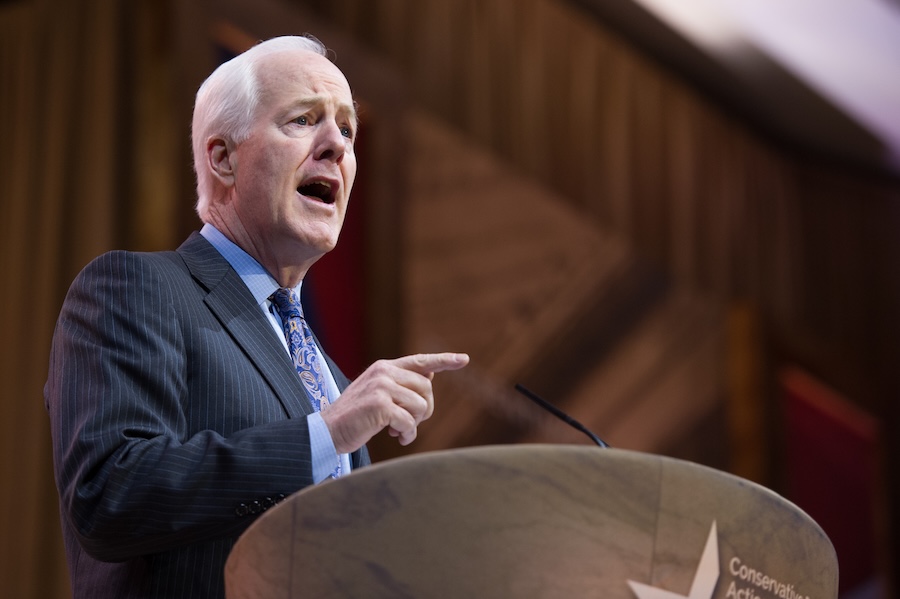
Early voting has begun in Texas for the Republican primary for U.S. Senate, and what was once expected to be a straightforward race has become increasingly competitive. Incumbent Sen. John Cornyn is seeking a fifth term but faces strong challenges from Texas Attorney General Ken Paxton and Rep. Wesley Hunt. With no candidate polling above 50 percent, analysts anticipate the March 3 primary could move to a May 26 runoff.
Recent polling averages from Decision Desk HQ show Paxton narrowly leading Cornyn, with Hunt trailing but drawing enough support to prevent any candidate from securing a majority outright. Republican strategists note that while Texas has leaned reliably Republican in recent federal elections, internal party divisions could shape the outcome of both the primary and the general election.
Some GOP officials argue that Cornyn’s long tenure and statewide track record position him as a stronger general election candidate. The National Republican Senatorial Committee has reportedly circulated messaging suggesting that maintaining party unity will be important in a closely contested Senate cycle. Others believe Paxton’s appeal to conservative voters could energize turnout if he becomes the nominee.
On the Democratic side, Rep. Jasmine Crockett and state Rep. James Talarico are competing for their party’s nomination. Political observers say Democrats are monitoring the Republican primary closely, particularly if it results in a runoff that could extend campaign spending and intensify party divisions.
President Donald Trump has not yet endorsed a candidate in the race, stating publicly that he has positive relationships with all three Republican contenders. Analysts suggest that an endorsement could significantly influence the outcome. With early voting underway and no clear frontrunner, the contest is shaping up as one of the most closely watched Senate primaries in the country.
The U.S. Court of Appeals for the D.C. Circuit issued a ruling this week allowing the Internal Revenue Service (IRS) to share certain taxpayer information with the Department of Homeland Security (DHS) for use in immigration enforcement investigations.
In its decision, the court concluded that federal law does not create an absolute prohibition on sharing tax return information when it is requested for authorized law enforcement purposes. The case centered on Section 6103 of the Internal Revenue Code, which governs the confidentiality of tax records. Advocacy organizations had argued that the statute broadly protects tax data from being used in immigration enforcement actions.
The appeals court disagreed with that interpretation, finding that the law includes exceptions permitting disclosures connected to legitimate law enforcement activities. The ruling reverses a lower court decision that had previously blocked coordination between the IRS and DHS in this context.
The case also touches on the use of Individual Taxpayer Identification Numbers (ITINs), which allow individuals who are not eligible for Social Security numbers to file tax returns. Millions of people, including some without legal work authorization, use ITINs to comply with federal tax obligations. Supporters of the ruling say federal agencies should be able to share information where permitted by law, while critics warn that expanded data sharing could discourage tax compliance.
The Department of Homeland Security has not yet outlined how it plans to apply the court’s decision, and the IRS has not released details about any new procedures. Legal observers note that additional challenges could follow, and the issue may ultimately be reviewed by the Supreme Court.
Federal authorities have filed a civil complaint seeking to revoke the U.S. citizenship of former North Miami Mayor Philippe Bien-Aime, alleging he made false statements about his identity and immigration history during the naturalization process.
In a 13-page filing, the Department of Justice claims Bien-Aime willfully misrepresented key details in order to obtain U.S. citizenship. The government describes the case as a rare denaturalization action and alleges he is the same individual who was previously ordered removed from the United States under a different name.
According to court records, Department of Homeland Security data — including fingerprint comparisons — indicate that the man naturalized as Philippe Bien-Aime matches records for an individual identified as Philippe Janvier. The complaint states that in July 2000, an immigration judge ruled that Janvier had entered the country using fraudulent documents and ordered him removed to Haiti. Authorities say there is no record confirming compliance with that order.
Prosecutors further allege that after the removal proceedings, the individual remained in the United States under a different name and date of birth. The complaint also claims he obtained lawful permanent residency through a marriage that investigators believe was not legally valid, asserting that documents submitted during that process were fraudulent. Bien-Aime was ultimately naturalized as a U.S. citizen in 2006, according to the filing.
The alleged discrepancies were uncovered through a fingerprint analysis review conducted as part of a broader federal initiative aimed at identifying potential fraud in the immigration system. Bien-Aime, who was elected mayor of North Miami in 2019 and later ran for the Miami-Dade County Commission, has declined public comment. His attorney said the legal team is reviewing the complaint and will respond through appropriate court proceedings. If the government prevails, the case could have legal implications related to eligibility requirements for holding elected office, which include U.S. citizenship.



Leave a Reply