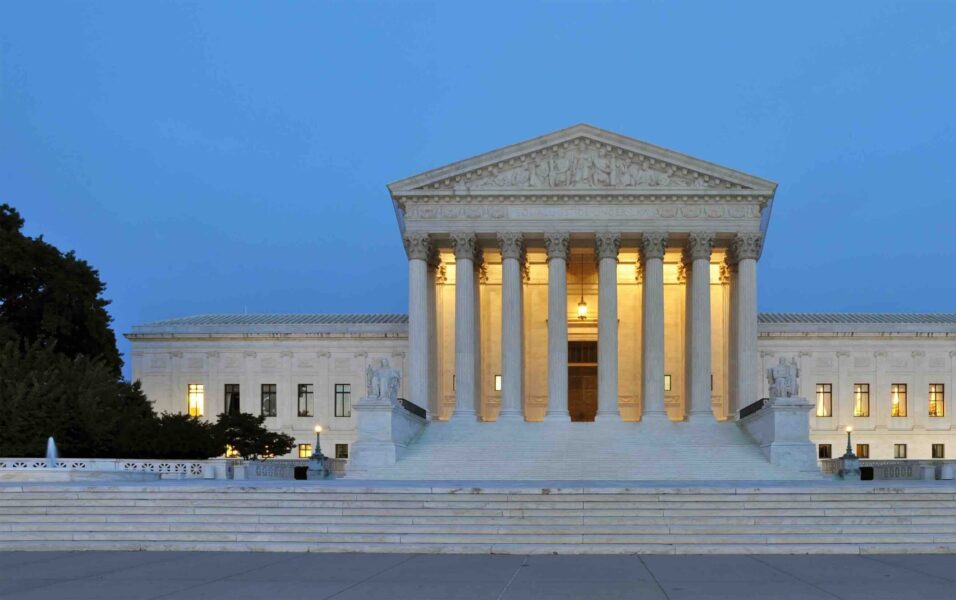
The U.S. Supreme Court on Friday struck down most of the broad tariffs imposed by President Donald Trump, ruling that his use of the International Emergency Economic Powers Act (IEEPA) to justify the measures was not authorized under the law. The decision represents a significant setback for a key component of Trump’s second-term economic agenda.
Writing for the majority, Chief Justice John Roberts stated that while the court does not claim expertise in economics or foreign affairs, it is responsible for interpreting the limits of statutory and constitutional authority. The court concluded that IEEPA, a 1970s-era law allowing presidents to regulate certain economic transactions during national emergencies, does not permit the imposition of broad-based tariffs on multiple countries.
Trump had invoked national emergency declarations beginning in February, citing concerns including fentanyl trafficking and trade imbalances, to justify tariffs on countries such as Canada, China, and Mexico, as well as broader reciprocal duties. Lower courts had allowed the tariffs to remain in place during litigation, but the Supreme Court’s ruling largely invalidates those measures. Tariffs imposed under separate statutory authorities, such as sector-specific duties on steel and aluminum, were not part of the case and remain unaffected.
The decision may carry substantial financial implications. Businesses that paid tariffs under the invalidated program could seek refunds, and several major companies — including Costco, Toyota Group affiliates, and Revlon — had already filed legal actions related to the levies. Legal analysts say the ruling could prompt additional litigation to determine how repayments would be handled and what steps follow for U.S. trade policy.
In a landmark decision this week, the U.S. Supreme Court ruled 6–3 that the International Emergency Economic Powers Act (IEEPA) does not grant the president broad authority to impose tariffs. The ruling effectively curtails a key component of former President Donald Trump’s trade policy and highlights ongoing debates over the balance of power between Congress and the executive branch.
U.S. benchmark West Texas Intermediate crude fell more than 6%, while international benchmark Brent crude also posted significant declines during trading. Energy traders have been closely monitoring developments involving Iran and the Strait of Hormuz, a key shipping route that plays a major role in global oil transportation.
The majority opinion was authored by Chief Justice John Roberts, joined by Justices Sonia Sotomayor, Elena Kagan, Neil Gorsuch, Amy Coney Barrett, and Ketanji Brown Jackson. In their decision, the justices concluded that the statute does not provide unrestricted authority for the president to levy import duties, emphasizing that such expansive powers require clear congressional authorization.
[read more]
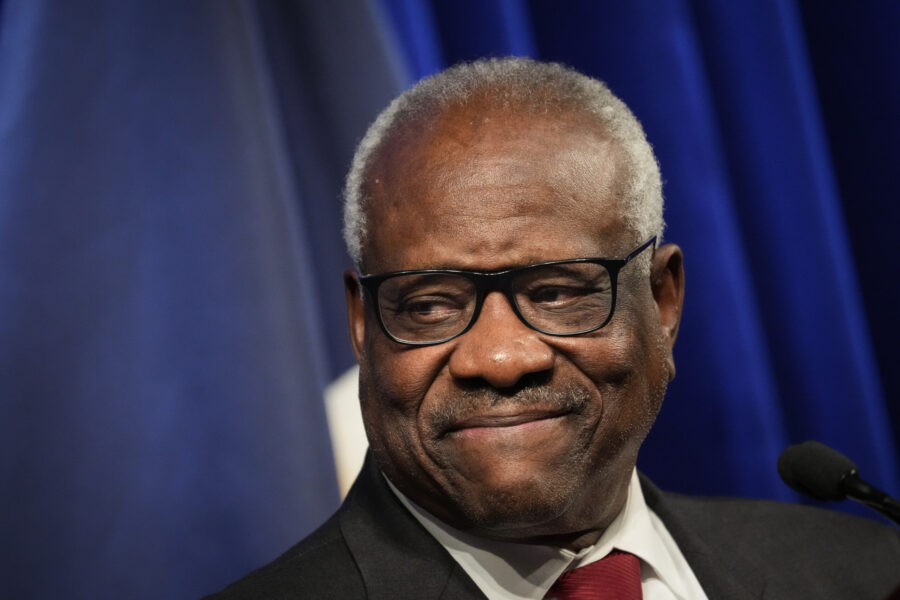
Yet the decision drew sharp criticism from Justice Clarence Thomas, who issued a vigorous dissent arguing that the ruling improperly limits presidential authority and overlooks historical precedent.
[related-posts-thumbnails]
What the Supreme Court Decided
At the heart of the case was the question of whether the International Emergency Economic Powers Act, originally designed to give the president authority to regulate commerce during national emergencies, can be interpreted to allow sweeping tariff impositions on foreign goods.
Chief Justice Roberts, writing for the majority, emphasized that while the statute grants the president certain economic tools during declared emergencies, it does not explicitly authorize broad import tariffs. Roberts wrote that allowing unrestricted tariff authority would exceed the bounds of the law and risk undermining Congress’s power to regulate trade.
The court’s ruling sends a clear message: any future attempts by the executive branch to impose tariffs on a wide scale must either be directly authorized by Congress or operate under more narrowly defined statutory authority.
Clarence Thomas’s Dissent: A Defense of Presidential Authority
Justice Clarence Thomas, joined by Justices Samuel Alito and Brett Kavanaugh, expressed strong disagreement with the majority. In his dissent, Thomas argued that neither the Constitution nor the statutory language limits the president’s ability to impose tariffs in this context.
“Congress has historically delegated broad authority to the executive in matters of foreign commerce, especially during national emergencies,” Thomas wrote. He contended that past administrations have routinely exercised similar powers and that courts have consistently upheld such actions.
Thomas criticized the majority for substituting its interpretation for that of Congress, arguing that lawmakers intended to provide the president with flexible tools to respond to urgent economic and foreign policy challenges.
Kavanaugh’s Separate Dissent: Practical and Financial Concerns
Justice Kavanaugh issued a separate dissent highlighting the practical consequences of the ruling. He noted that if previously collected tariffs must be refunded due to a lack of statutory authority, the decision could carry significant financial implications for both the government and domestic industries.
Kavanaugh emphasized that the ruling might weaken the United States’ bargaining position in international trade, as trading partners could question the federal government’s ability to act decisively in economic crises.
Implications for Trump-Era Trade Policies
The decision directly affects policies enacted during the Trump administration, particularly tariffs on steel, aluminum, and various Chinese goods imposed under the premise of national emergency powers. While the ruling does not retroactively invalidate all tariffs, it does restrict the legal framework for similar executive actions in the future.
Legal experts suggest that the ruling could reshape trade negotiations, as the president may now need to seek explicit congressional approval before imposing new duties. This shift could slow the administration’s ability to respond quickly to perceived trade threats, potentially limiting economic leverage in international disputes.
Historical Context: Presidential Trade Powers
The debate over executive authority in trade is not new. Presidents from Woodrow Wilson to George W. Bush have invoked emergency powers to regulate imports, restrict trade with adversaries, or respond to economic crises. However, Thomas’s dissent emphasizes that the scope of these powers has historically been broad, reflecting Congress’s intent to allow the executive branch flexibility in international commerce.
Roberts’ majority opinion, in contrast, signals a growing judicial tendency to interpret statutes narrowly, particularly when the stakes involve significant economic consequences and separation-of-powers concerns.
Reactions from Lawmakers and Analysts
The ruling has elicited strong reactions across the political spectrum. Republican lawmakers, particularly those aligned with Trump-era policies, criticized the decision as an unwarranted limitation on executive authority. Senator Tom Cotton (R-Ark.) argued that “the president needs the ability to act swiftly in matters of national economic security, and this decision weakens that authority.”
Democrats generally welcomed the ruling as a check on executive overreach, noting that tariffs affect consumers and businesses alike, and should not be imposed without clear legislative guidance. Senator Elizabeth Warren (D-Mass.) praised the decision, stating that “Congress must play a central role in shaping trade policy that impacts millions of Americans.”
Economists suggest that the ruling may have both short-term and long-term economic effects. While it limits unilateral tariff actions, it also reinforces the role of Congress in trade policy, which could lead to more predictable and stable trade relations internationally.
Trade Policy and National Emergencies
IEEPA was enacted in 1977 as a tool to allow the president to respond to “unusual and extraordinary threats” that affect the national economy. Historically, presidents have usIn a landmark decision this week, the U.S. Supreme Court ruled 6–3 that the International Emergency Economic Powers Act (IEEPA) does not grant the president broad authority to impose tariffs. The ruling effectively curtails a key component of former President Donald Trump’s trade policy and highlights ongoing debates over the balance of power between Congress and the executive branch.
The majority opinion was authored by Chief Justice John Roberts, joined by Justices Sonia Sotomayor, Elena Kagan, Neil Gorsuch, Amy Coney Barrett, and Ketanji Brown Jackson. In their decision, the justices concluded that the statute does not provide unrestricted authority for the president to levy import duties, emphasizing that such expansive powers require clear congressional authorization.
Yet the decision drew sharp criticism from Justice Clarence Thomas, who issued a vigorous dissent arguing that the ruling improperly limits presidential authority and overlooks historical precedent.
What the Supreme Court Decided
At the heart of the case was the question of whether the International Emergency Economic Powers Act, originally designed to give the president authority to regulate commerce during national emergencies, can be interpreted to allow sweeping tariff impositions on foreign goods.
Chief Justice Roberts, writing for the majority, emphasized that while the statute grants the president certain economic tools during declared emergencies, it does not explicitly authorize broad import tariffs. Roberts wrote that allowing unrestricted tariff authority would exceed the bounds of the law and risk undermining Congress’s power to regulate trade.
The court’s ruling sends a clear message: any future attempts by the executive branch to impose tariffs on a wide scale must either be directly authorized by Congress or operate under more narrowly defined statutory authority.
Clarence Thomas’s Dissent: A Defense of Presidential Authority
Justice Clarence Thomas, joined by Justices Samuel Alito and Brett Kavanaugh, expressed strong disagreement with the majority. In his dissent, Thomas argued that neither the Constitution nor the statutory language limits the president’s ability to impose tariffs in this context.
“Congress has historically delegated broad authority to the executive in matters of foreign commerce, especially during national emergencies,” Thomas wrote. He contended that past administrations have routinely exercised similar powers and that courts have consistently upheld such actions.
Thomas criticized the majority for substituting its interpretation for that of Congress, arguing that lawmakers intended to provide the president with flexible tools to respond to urgent economic and foreign policy challenges.
Kavanaugh’s Separate Dissent: Practical and Financial Concerns
Justice Kavanaugh issued a separate dissent highlighting the practical consequences of the ruling. He noted that if previously collected tariffs must be refunded due to a lack of statutory authority, the decision could carry significant financial implications for both the government and domestic industries.
Kavanaugh emphasized that the ruling might weaken the United States’ bargaining position in international trade, as trading partners could question the federal government’s ability to act decisively in economic crises.
Implications for Trump-Era Trade Policies
The decision directly affects policies enacted during the Trump administration, particularly tariffs on steel, aluminum, and various Chinese goods imposed under the premise of national emergency powers. While the ruling does not retroactively invalidate all tariffs, it does restrict the legal framework for similar executive actions in the future.
Legal experts suggest that the ruling could reshape trade negotiations, as the president may now need to seek explicit congressional approval before imposing new duties. This shift could slow the administration’s ability to respond quickly to perceived trade threats, potentially limiting economic leverage in international disputes.
Historical Context: Presidential Trade Powers
The debate over executive authority in trade is not new. Presidents from Woodrow Wilson to George W. Bush have invoked emergency powers to regulate imports, restrict trade with adversaries, or respond to economic crises. However, Thomas’s dissent emphasizes that the scope of these powers has historically been broad, reflecting Congress’s intent to allow the executive branch flexibility in international commerce.
Roberts’ majority opinion, in contrast, signals a growing judicial tendency to interpret statutes narrowly, particularly when the stakes involve significant economic consequences and separation-of-powers concerns.
Reactions from Lawmakers and Analysts
The ruling has elicited strong reactions across the political spectrum. Republican lawmakers, particularly those aligned with Trump-era policies, criticized the decision as an unwarranted limitation on executive authority. Senator Tom Cotton (R-Ark.) argued that “the president needs the ability to act swiftly in matters of national economic security, and this decision weakens that authority.”
Democrats generally welcomed the ruling as a check on executive overreach, noting that tariffs affect consumers and businesses alike, and should not be imposed without clear legislative guidance. Senator Elizabeth Warren (D-Mass.) praised the decision, stating that “Congress must play a central role in shaping trade policy that impacts millions of Americans.”
Economists suggest that the ruling may have both short-term and long-term economic effects. While it limits unilateral tariff actions, it also reinforces the role of Congress in trade policy, which could lead to more predictable and stable trade relations internationally.
Trade Policy and National Emergencies
IEEPA was enacted in 1977 as a tool to allow the president to respond to “unusual and extraordinary threats” that affect the national economy. Historically, presidents have usIn a landmark decision this week, the U.S. Supreme Court ruled 6–3 that the International Emergency Economic Powers Act (IEEPA) does not grant the president broad authority to impose tariffs. The ruling effectively curtails a key component of former President Donald Trump’s trade policy and highlights ongoing debates over the balance of power between Congress and the executive branch.
The majority opinion was authored by Chief Justice John Roberts, joined by Justices Sonia Sotomayor, Elena Kagan, Neil Gorsuch, Amy Coney Barrett, and Ketanji Brown Jackson. In their decision, the justices concluded that the statute does not provide unrestricted authority for the president to levy import duties, emphasizing that such expansive powers require clear congressional authorization.
Yet the decision drew sharp criticism from Justice Clarence Thomas, who issued a vigorous dissent arguing that the ruling improperly limits presidential authority and overlooks historical precedent.
What the Supreme Court Decided
At the heart of the case was the question of whether the International Emergency Economic Powers Act, originally designed to give the president authority to regulate commerce during national emergencies, can be interpreted to allow sweeping tariff impositions on foreign goods.
Chief Justice Roberts, writing for the majority, emphasized that while the statute grants the president certain economic tools during declared emergencies, it does not explicitly authorize broad import tariffs. Roberts wrote that allowing unrestricted tariff authority would exceed the bounds of the law and risk undermining Congress’s power to regulate trade.
The court’s ruling sends a clear message: any future attempts by the executive branch to impose tariffs on a wide scale must either be directly authorized by Congress or operate under more narrowly defined statutory authority.
Clarence Thomas’s Dissent: A Defense of Presidential Authority
Justice Clarence Thomas, joined by Justices Samuel Alito and Brett Kavanaugh, expressed strong disagreement with the majority. In his dissent, Thomas argued that neither the Constitution nor the statutory language limits the president’s ability to impose tariffs in this context.
“Congress has historically delegated broad authority to the executive in matters of foreign commerce, especially during national emergencies,” Thomas wrote. He contended that past administrations have routinely exercised similar powers and that courts have consistently upheld such actions.
Thomas criticized the majority for substituting its interpretation for that of Congress, arguing that lawmakers intended to provide the president with flexible tools to respond to urgent economic and foreign policy challenges.
Kavanaugh’s Separate Dissent: Practical and Financial Concerns
Justice Kavanaugh issued a separate dissent highlighting the practical consequences of the ruling. He noted that if previously collected tariffs must be refunded due to a lack of statutory authority, the decision could carry significant financial implications for both the government and domestic industries.
Kavanaugh emphasized that the ruling might weaken the United States’ bargaining position in international trade, as trading partners could question the federal government’s ability to act decisively in economic crises.
Implications for Trump-Era Trade Policies
The decision directly affects policies enacted during the Trump administration, particularly tariffs on steel, aluminum, and various Chinese goods imposed under the premise of national emergency powers. While the ruling does not retroactively invalidate all tariffs, it does restrict the legal framework for similar executive actions in the future.
Legal experts suggest that the ruling could reshape trade negotiations, as the president may now need to seek explicit congressional approval before imposing new duties. This shift could slow the administration’s ability to respond quickly to perceived trade threats, potentially limiting economic leverage in international disputes.
Historical Context: Presidential Trade Powers
The debate over executive authority in trade is not new. Presidents from Woodrow Wilson to George W. Bush have invoked emergency powers to regulate imports, restrict trade with adversaries, or respond to economic crises. However, Thomas’s dissent emphasizes that the scope of these powers has historically been broad, reflecting Congress’s intent to allow the executive branch flexibility in international commerce.
Roberts’ majority opinion, in contrast, signals a growing judicial tendency to interpret statutes narrowly, particularly when the stakes involve significant economic consequences and separation-of-powers concerns.
Reactions from Lawmakers and Analysts
The ruling has elicited strong reactions across the political spectrum. Republican lawmakers, particularly those aligned with Trump-era policies, criticized the decision as an unwarranted limitation on executive authority. Senator Tom Cotton (R-Ark.) argued that “the president needs the ability to act swiftly in matters of national economic security, and this decision weakens that authority.”
Democrats generally welcomed the ruling as a check on executive overreach, noting that tariffs affect consumers and businesses alike, and should not be imposed without clear legislative guidance. Senator Elizabeth Warren (D-Mass.) praised the decision, stating that “Congress must play a central role in shaping trade policy that impacts millions of Americans.”
Economists suggest that the ruling may have both short-term and long-term economic effects. While it limits unilateral tariff actions, it also reinforces the role of Congress in trade policy, which could lead to more predictable and stable trade relations internationally.
Trade Policy and National Emergencies
IEEPA was enacted in 1977 as a tool to allow the president to respond to “unusual and extraordinary threats” that affect the national economy. Historically, presidents have usd the statute to freeze assets, restrict imports, and regulate commerce in times of geopolitical tension.
However, the Trump-era interpretation, which justified broad tariffs on multiple categories of goods, raised questions about the limits of emergency powers. The Supreme Court’s decision now clarifies that while IEEPA grants substantial authority, it does not permit blanket tariff impositions without congressional guidance.
Potential Impact on Future Administrations
The ruling is likely to have lasting implications for how future presidents approach trade policy. Legal scholars suggest that executive branch officials will need to craft more carefully targeted measures to ensure compliance with the law.
Additionally, Congress may face renewed pressure to clarify statutory language regarding trade and emergency powers, potentially passing legislation that explicitly delineates the president’s authority to impose tariffs.
International Repercussions
Global markets closely monitor U.S. trade policy, and the Supreme Court’s decision may influence negotiations with key trading partners. By restricting presidential tariff authority, the court reinforces the principle that trade actions must have legislative backing, potentially providing more stability for international commerce.
Countries that were subject to Trump-era tariffs may view the ruling as an opportunity to challenge existing measures or renegotiate agreements. Analysts also note that the decision could shape the U.S.’s approach to emerging trade conflicts, particularly with China and the European Union.
The Broader Debate: Separation of Powers
At its core, the case highlights the tension between executive power and legislative oversight. Thomas’s dissent underscores a view that broad presidential authority is essential for national security and rapid economic response, while the majority opinion emphasizes the constitutional role of Congress in regulating commerce and protecting domestic interests.
This debate touches on fundamental questions about the U.S. system of government: how much authority should the president have in times of crisis, and where should courts draw the line between interpreting statutes and limiting executive action?
Looking Ahead
With the Supreme Court’s ruling now in place, future administrations may proceed with caution when considering unilateral economic actions, particularly tariffs. Congress may also take a more active role in shaping trade legislation to ensure that statutory authority aligns with modern economic realities.
Observers predict that the case will be cited in future disputes over executive authority, serving as a touchstone for debates about presidential power in national emergencies. Meanwhile, the Trump administration’s trade legacy will continue to be shaped by this decision, particularly in terms of how unilateral action intersects with statutory limits.
Conclusion
The Supreme Court’s ruling on IEEPA represents a pivotal moment in the ongoing debate over presidential authority, trade policy, and the balance of power in Washington. While Justice Clarence Thomas’s dissent defends broad executive discretion, the majority opinion reaffirms that Congress retains ultimate authority over trade measures.
As legal experts, economists, and policymakers digest the implications, one thing is clear: the decision will influence not only U.S. trade policy but also the broader understanding of executive power in times of national emergency for years to come.
With economic uncertainty and international trade tensions continuing, both policymakers and businesses will be closely monitoring how this ruling shapes the future of tariffs, international negotiations, and presidential authority in the United States.[/read]
Three individuals were detained during a SWAT operation on Friday night in the Shadow Hills neighborhood as part of the ongoing investigation into the disappearance of 84-year-old Nancy Guthrie. A local resident reported seeing the detentions during the operation, which followed a similar event on February 13 at a different home in the area. The Pima County Sheriff’s Department (PCSD) confirmed the operation was linked to the Guthrie case.
According to an unverified report, another individual allegedly shot himself, though this claim has not been officially confirmed. Sources close to the investigation mentioned that a man and woman were detained at a home during the previous operation, and a third individual was arrested during a traffic stop in the same neighborhood.
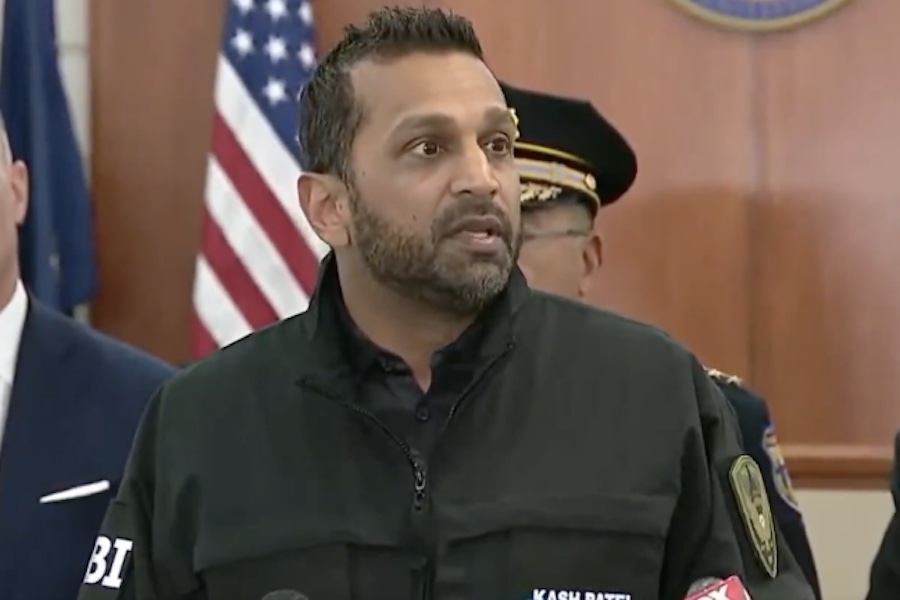
PCSD officials have not released further details but confirmed that statements will be made as the investigation progresses. Investigators have also been working closely with the FBI. Meanwhile, the FBI’s Operational Technology Division released a description of a person seen in security footage near Guthrie’s home on February 1. The suspect, described as a male with an average build, was seen carrying a backpack and wearing a ski mask and gloves.
Sheriff Chris Nanos confirmed that DNA found at the scene of the disappearance does not match Nancy Guthrie’s, though he clarified that investigators are working with forensic labs in Florida to analyze the biological evidence.
The sheriff emphasized that all steps taken in the investigation follow established protocols. Despite these developments, Nanos stated that the focus of the operation remains on finding Guthrie alive, with the ongoing efforts including ground searches, aerial support, and review of nearby security footage. The investigation is still ongoing, and law enforcement is urging anyone with relevant information to come forward.
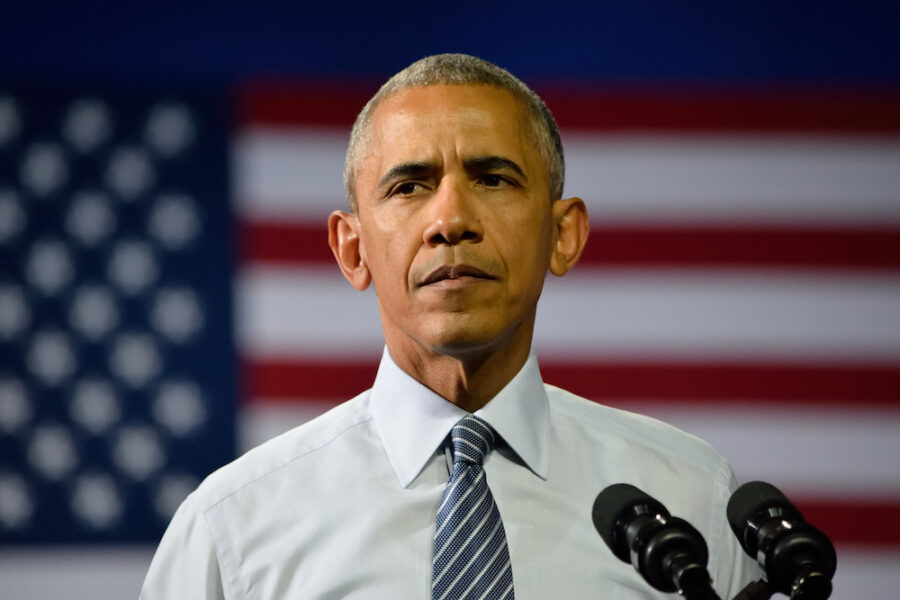
While speaking with reporters aboard Air Force One, President Donald Trump commented on recent remarks made by former President Barack Obama during a media interview. Trump suggested that Obama’s comments touched on subjects that could involve sensitive information, though he did not provide specific details or reference any formal review.
Obama’s remarks came during an interview with commentator Brian Tyler Cohen, where he participated in a rapid-fire question segment. When asked about the existence of aliens, Obama responded that while the vast size of the universe makes the possibility of life elsewhere statistically plausible, he saw no evidence during his presidency that extraterrestrials had visited Earth. The exchange gained traction online, prompting Obama to later clarify that his response was intended to reflect the informal tone of the segment.
In his follow-up statement, Obama emphasized that he had not encountered proof of extraterrestrial contact while in office. His clarification sought to address speculation that arose after clips from the interview were widely shared on social media.
The discussion comes amid continued congressional interest in unidentified anomalous phenomena (UAPs), the term used by the U.S. government for incidents often associated with UFO sightings. In recent years, federal agencies have released unclassified reports and established investigative offices to review such cases, aiming to improve transparency while safeguarding national security information.
The Federal Bureau of Investigation (FBI) has reached out to authorities in Mexico as the search continues for 84-year-old Nancy Guthrie, who disappeared from her Tucson, Arizona home earlier this month. The outreach follows a series of unverified ransom messages referencing Mexico, including one note that mentioned “south of the border,” according to media reports. Investigators have not confirmed the authenticity of the messages and are treating them cautiously while continuing to review all tips.
Local officials say multiple alleged ransom notes have been sent to various outlets, but none have been validated. Law enforcement sources indicated that while the possibility of cross-border involvement is being examined, there is no confirmed evidence that Guthrie was transported to Mexico immediately after her disappearance. Authorities continue to coordinate across agencies as the case enters its third week.
Guthrie, a resident of Tucson’s Catalina Foothills neighborhood and the mother of Savannah Guthrie, was reported missing on February 1. Investigators believe she may have been taken against her will, citing signs of forced entry at the home. Surveillance footage reportedly shows a masked individual described as a man of average build, approximately 5 feet 9 inches to 5 feet 10 inches tall. Chris Nanos said authorities believe the suspect may have been familiar with the area.
Forensic teams are analyzing evidence, including gloves found a short distance from the residence. While initial DNA testing did not produce matches in national databases, additional analysis — including genealogical testing — is ongoing. Officials have also used specialized equipment to scan for signals from Guthrie’s pacemaker, though no public updates have confirmed results. The FBI is offering a $100,000 reward for information leading to her safe return, and investigators stress that the case remains active.
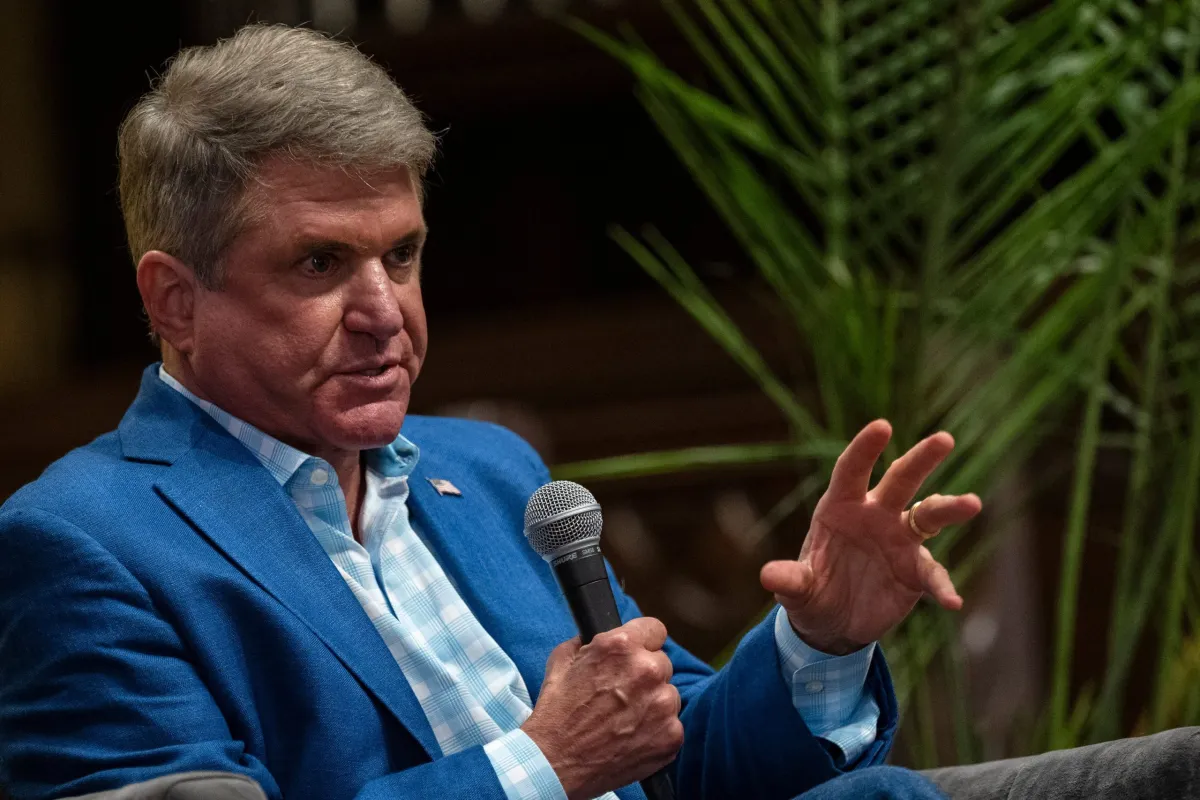
Michael McCaul has announced he will not seek reelection after serving 11 terms in the U.S. House of Representatives. The Texas Republican’s decision drew a range of reactions online, with some conservative commentators celebrating his departure while others thanked him for his years of service. McCaul has represented central Texas since 2005 and previously chaired the House Homeland Security and Foreign Affairs Committees.
Some critics have labeled McCaul a “RINO,” a term meaning “Republican in Name Only,” often used by party activists to describe lawmakers they believe are insufficiently aligned with conservative priorities. Supporters, however, point to his long record on national security issues and his work on foreign policy. His retirement opens the door for a competitive primary race in his district.
In an interview with ABC News, McCaul reflected on his time in office, calling it “the honor of a lifetime” to represent his constituents. He cited his father’s World War II service as inspiration for his career in public service and emphasized his focus on national security and global threats throughout his tenure in Congress.
READ ALSO:
Top 10 High-Yield Savings Accounts for Americans in 2026
Introduction With inflation fluctuating and interest rates changing rapidly, choosing the right high-yield savings account (HYSA) can make a real difference to your finances. In 2026, Americans have more options than ever to grow their money safely while enjoying competitive interest rates. In this guide, we’ll break down the top 10 high-yield savings accounts, highlighting their rates, fees, and perks, so you can maximize your savings.
What is a High-Yield Savings Account?
A high-yield savings account is a bank account that pays significantly more interest than a traditional savings account. While traditional savings accounts average around 0.3% APY, high-yield options can offer 4–5% or more, helping your money grow faster with virtually no risk.
Key Benefits:
Safe, FDIC-insured deposits
Higher interest than traditional savings accounts
Easy online access and mobile banking
Top 10 High-Yield Savings Accounts for 2026
Rank
Bank
APY
Minimum Balance
Monthly Fees
Key Features
1
Ally Bank
4.50%
$0
$0
24/7 customer service, easy transfers
2
Marcus by Goldman Sachs
4.45%
$0
$0
No-fee accounts, competitive rates
3
Discover Online Savings
4.40%
$0
$0
Nationwide network, great mobile app
4
CIT Bank Savings Builder
4.30%
$100
$0
Tiered interest for higher balances
5
American Express High Yield
4.25%
$0
$0
No minimum, strong reputation
6
Vio Bank
4.20%
$100
$0
High interest with easy online access
7
Capital One 360 Performance
4.15%
$0
$0
Fee-free, user-friendly app
8
Synchrony Bank
4.10%
$0
$0
ATM access, great for long-term savings
9
Barclays Online Savings
4.05%
$0
$0
Simple interface, competitive APY
10
FNBO Direct Online Savings
4.00%
$1
$0
Low barrier to entry, FDIC-insured
How to Choose the Best High-Yield Savings Account
When selecting the right HYSA, consider:
Interest Rate (APY): Higher is better, but watch for tiered rates.
Fees: Avoid monthly fees that can eat your interest.
Accessibility: Online vs. in-person branches.
Minimum Balance Requirements: Some banks require a certain deposit to earn top rates.
Customer Service & Mobile App: Easy account management is a big plus.
Tips to Maximize Your Savings in 2026
Automate Transfers: Move money from checking to savings weekly.
Take Advantage of Bonuses: Many banks offer cash bonuses for new accounts.
Compare Regularly: Rates change; switching accounts every year can increase earnings.
Avoid Withdrawing Often: The more your money stays in, the more interest you earn.
Conclusion In 2026, high-yield savings accounts are one of the safest ways to grow your money while keeping it accessible. By choosing the right bank and optimizing your savings strategy, you can earn significantly more interest than traditional accounts—and make your money work harder for you.
McCaul has at times differed with former President Donald Trump on foreign policy matters, particularly regarding Russia and NATO. In recent remarks, he expressed concern about rising global tensions and warned of the risks of escalation in international conflicts. As he prepares to leave office, McCaul said he is exploring new opportunities in the national security and foreign policy arena.
Yaoning Sun, also known as “Mike” Sun, has been sentenced to 48 months in federal prison after being convicted of acting as an unregistered agent of the People’s Republic of China (PRC). Federal prosecutors said Sun operated in the United States on behalf of PRC officials without providing the required notification to the U.S. Attorney General under federal law.
According to court filings, Sun engaged in activities intended to promote PRC interests between 2020 and 2023. Legal documents reference a local elected official identified as “Individual 1,” reported by various outlets to be Eileen Wang. Sun previously served as a campaign consultant and treasurer during Wang’s 2022 Arcadia City Council campaign. Authorities have not accused Wang of wrongdoing in connection with the case.
Prosecutors also stated that Sun communicated with PRC officials about funding requests and organized public activities aligned with PRC interests. Court records further allege that he shared information during a 2023 visit to Southern California by then–Taiwan President Tsai Ing-wen. In addition, Sun worked with John Chen, who was previously sentenced in a separate federal case involving similar charges.
Federal officials emphasized that the case centers on enforcement of laws governing foreign agents operating in the United States. Wang, who was sworn in as mayor of Arcadia in February 2026, has declined public comment. Authorities have stated that the investigation focused specifically on Sun’s conduct and compliance with federal registration requirements.
California Gubernatorial Primary Poll: Steve Hilton Leads a Crowded Field
A recent Emerson College poll has shaken up California’s gubernatorial race, showing Republican Steve Hilton leading a crowded primary field in a contest that could reshape the state’s political landscape. With California’s unique “top-two” primary system, every vote counts, and this survey provides a first glimpse of how candidates are faring ahead of the November election.
The Emerson College poll, conducted February 13–14 among 1,000 likely voters, reveals Hilton leading with 17% support. The former host of The Next Revolution and one-time adviser to former UK Prime Minister David Cameron has gained traction by focusing on issues that resonate with Californians: affordable housing, homelessness, and government reform.
Hilton’s campaign emphasizes practical solutions for California’s cost-of-living crisis. His messaging on housing affordability, in particular, has struck a chord with voters frustrated by skyrocketing rent prices and housing shortages across the state.
“California families deserve a governor who prioritizes affordability and practical solutions over politics,” Hilton said in a recent campaign event.
Closely Contested Field Among Democrats
Following Hilton in the poll is Democrat Eric Swalwell at 14%, tied with former Riverside County Sheriff Chad Bianco, who is running as a Republican. Swalwell, a former congressman known for his vocal stance on national security and progressive policies, faces a tough battle in a highly competitive Democratic field.
Other notable Democratic candidates include:
Katie Porter – 10% support. The former U.S. Representative and consumer advocate has focused on economic fairness and government accountability.
Tom Steyer – 9% support. The investor and philanthropist emphasizes climate change and economic reforms.
Xavier Becerra, Matt Mahan, and Antonio Villaraigosa – polling lower individually but collectively contributing to a fragmented Democratic vote.
21% of voters remain undecided, highlighting the fluid nature of the race and the potential for last-minute shifts before the June primary.
[related-posts-thumbnails]
Understanding California’s “Top-Two” Primary System
California’s nonpartisan top-two primary system, established under Proposition 14 in 2010, allows all candidates to appear on the same ballot, regardless of party. The two candidates receiving the most votes move on to the general election in November, which can sometimes result in two candidates from the same party facing each other.
This system adds complexity to California races, as candidates must appeal not only to their base but also to voters from other parties. For Hilton, this creates both opportunities and challenges. While his Republican support is strong, he must also attract independent and moderate voters to secure a spot in the top two.
What the Poll Means for November
Emerson College Polling Executive Director Spencer Kimball emphasized the significance of the survey. “With multiple Democrats splitting the vote, the top-two system can create surprising outcomes,” Kimball explained. “Even a candidate with a smaller base could advance if their support is consolidated effectively.”
Hilton’s 17% lead, while modest, positions him favorably in a primary where voter turnout is historically low and highly motivated bases can swing results. If Democrats continue to divide support among several candidates, it increases Hilton’s chances of securing one of the two general election spots.
Steve Hilton’s Political Background
Steve Hilton brings a unique international perspective to California politics. Before entering American electoral politics, Hilton served as a senior adviser to former UK Prime Minister David Cameron, helping shape economic and political strategies.
In the U.S., Hilton gained prominence as the host of The Next Revolution, a show where he advocated for populist, pro-economic growth policies. His experience in both media and politics gives him a distinct edge in messaging and connecting with voters across diverse demographics.
Key Issues Driving the Race
Several issues are shaping the 2026 California gubernatorial primary, including:
1. Housing Affordability and Homelessness
Skyrocketing housing costs remain the top concern for voters. Hilton’s proposals to streamline development approvals and incentivize affordable housing have resonated with residents frustrated by chronic housing shortages.
2. Economic Recovery and Inflation
California continues to recover from economic challenges, including inflation and high energy costs. Candidates are debating policies ranging from tax relief to state spending reform, seeking to appeal to both urban and rural voters.
3. Climate Change and Environmental Policy
While Democrats like Steyer and Porter emphasize climate initiatives, Hilton is advocating for balanced environmental policies that promote energy innovation without imposing undue costs on residents.
4. Education and Public Safety
Voters are focused on school quality, teacher support, and public safety measures, particularly in urban areas. Hilton’s background in local governance allows him to position himself as a pragmatic problem solver.
The Role of Undecided Voters
With over one-fifth of voters undecided, the race remains highly unpredictable. Political analysts note that late-breaking campaign strategies, debates, and grassroots mobilization will be critical in determining which candidates advance to the general election.
“In California, the primary isn’t just about who has the most support today,” said one political strategist. “It’s about who can energize supporters, win over undecideds, and get them to the polls.”
Why This Race Matters Nationally
California, the most populous state in the U.S., often sets trends that influence national politics. A Republican like Hilton performing strongly in a traditionally Democratic stronghold sends shockwaves through political circles and could signal broader shifts in voter sentiment ahead of the 2026 midterms.
The results also highlight how nonpartisan systems can disrupt traditional party expectations, giving rise to unexpected alliances and potential strategic voting among Californians.
Predictions and Next Steps
Analysts expect the primary vote in June to be closely contested. Factors that could influence the outcome include:
Voter turnout: Primaries often see low participation, so mobilization efforts are key.
Media coverage: Strong messaging through traditional media and social platforms can amplify a candidate’s reach.
Debates and town halls: Public forums give candidates like Hilton opportunities to showcase solutions and contrast themselves with opponents.
As campaigns ramp up in the coming months, polling numbers may shift dramatically. Candidates will likely focus on building momentum in key counties, particularly Los Angeles, Orange, and San Diego, where large populations can sway results.
Final Thoughts
The 2026 California gubernatorial primary is shaping up to be one of the most competitive in recent memory. Republican Steve Hilton currently leads the pack, but with multiple Democratic contenders and a significant portion of undecided voters, the race remains far from decided.
For voters, the primary represents an opportunity to weigh candidates on pragmatic solutions, leadership experience, and the ability to address California’s pressing challenges. For political observers, Hilton’s surge illustrates the impact of the top-two system and the potential for unconventional outcomes.
American curler Rich Ruohonen drew attention during a press conference at the 2026 Winter Olympics after speaking about immigration enforcement activity in his home state of Minnesota. While expressing pride in representing Team USA, Ruohonen said recent events in his community had been “tough for everybody” and referenced constitutional protections such as safeguards against unreasonable searches and seizures.
Ruohonen, who has a legal background, said he believes constitutional standards such as probable cause should be upheld. He also praised members of his community who, in his view, have responded with compassion and support for neighbors affected by enforcement actions. “We love our country,” he said, adding that he and his teammates were competing for their families, their state, and the broader values they associate with the Olympic movement.
Clips of his remarks circulated widely on social media, prompting a range of reactions. Some users supported his decision to speak about issues affecting his home state, while others questioned whether the Olympic stage was an appropriate venue for political commentary. Critics argued that the Games are traditionally focused on athletic competition and national unity.
The exchange highlights the broader debate over athletes addressing public policy issues while participating in international sporting events. As the Winter Olympics continue, Ruohonen and his teammates remain focused on competition, while public discussion around the role of athletes in civic conversations continues online.
Outgoing The Late Show with Stephen Colbert host Stephen Colbert recently addressed a dispute involving a planned interview with Texas State Rep. James Talarico, a candidate in Texas’ closely watched U.S. Senate primary. Colbert suggested during a monologue that federal regulators were effectively preventing the segment from airing. However, the situation centered on legal guidance related to broadcast regulations rather than a formal censorship action.
According to statements from CBS, network attorneys advised that airing the interview on broadcast television could raise concerns under the Federal Communications Commission (FCC) equal-time rule. That rule, established under the Communications Act of 1934, generally requires broadcasters to provide comparable airtime to competing political candidates if one is given access, unless the appearance qualifies as a bona fide news interview. The interview was ultimately released through other platforms.
Earlier this year, FCC Chair Brendan Carr issued public guidance noting that certain entertainment talk shows may not automatically qualify for the news interview exemption if their content is deemed partisan in nature. The clarification followed regulatory scrutiny involving The View after it hosted Talarico without offering equal time to other candidates. CBS stated that its decision was based on legal review and the potential obligation to provide airtime to additional candidates, including Rep. Jasmine Crockett.
During a February episode, Colbert told viewers he had been advised not to air the segment on broadcast television. CBS later said the show received legal guidance about the equal-time rule but denied instructing him not to discuss the matter. The exchange comes as Colbert prepares to conclude his tenure on “The Late Show” in May, marking the end of the current run of the program.


Leave a Reply